Starmer Apologises Over Mandelson Appointment as Leadership Pressure Mounts
Keir Starmer has been forced to apologise to victims of Jeffrey Epstein after admitting he was misled about the extent of Lord Peter Mandelson's relationship with the disgraced financier — a scandal that has compounded the Prime Minister's political difficulties on the eve of crucial local elections.
Background
Lord Peter Mandelson, one of the architects of New Labour and a figure who has shaped British politics for four decades, was appointed by Starmer as the UK's ambassador to the United States — a posting of enormous strategic importance given the turbulent state of the transatlantic relationship. Mandelson's appointment was seen at the time as a bold choice: a heavyweight political operator with deep Washington connections, capable of navigating the complexities of the Trump administration.
The appointment has since unravelled spectacularly. Revelations from the Epstein files — documents released as part of ongoing legal proceedings in the United States — revealed that Mandelson's association with the convicted sex offender was more extensive than had been publicly acknowledged. The scandal intensified when Prince Andrew was arrested earlier this year following further Epstein disclosures, placing the entire network of Epstein's British connections under renewed scrutiny.
The Foreign Office's vetting process has come under severe criticism. The Economist described the affair as the greatest British political scandal of this century — a characterisation that, while contested, reflects the severity with which the Westminster establishment has received the revelations. Starmer's admission that he was misled has done little to quell the furore; if anything, it has raised further questions about the competence of the vetting apparatus and the judgement of those who recommended the appointment.
Key Developments
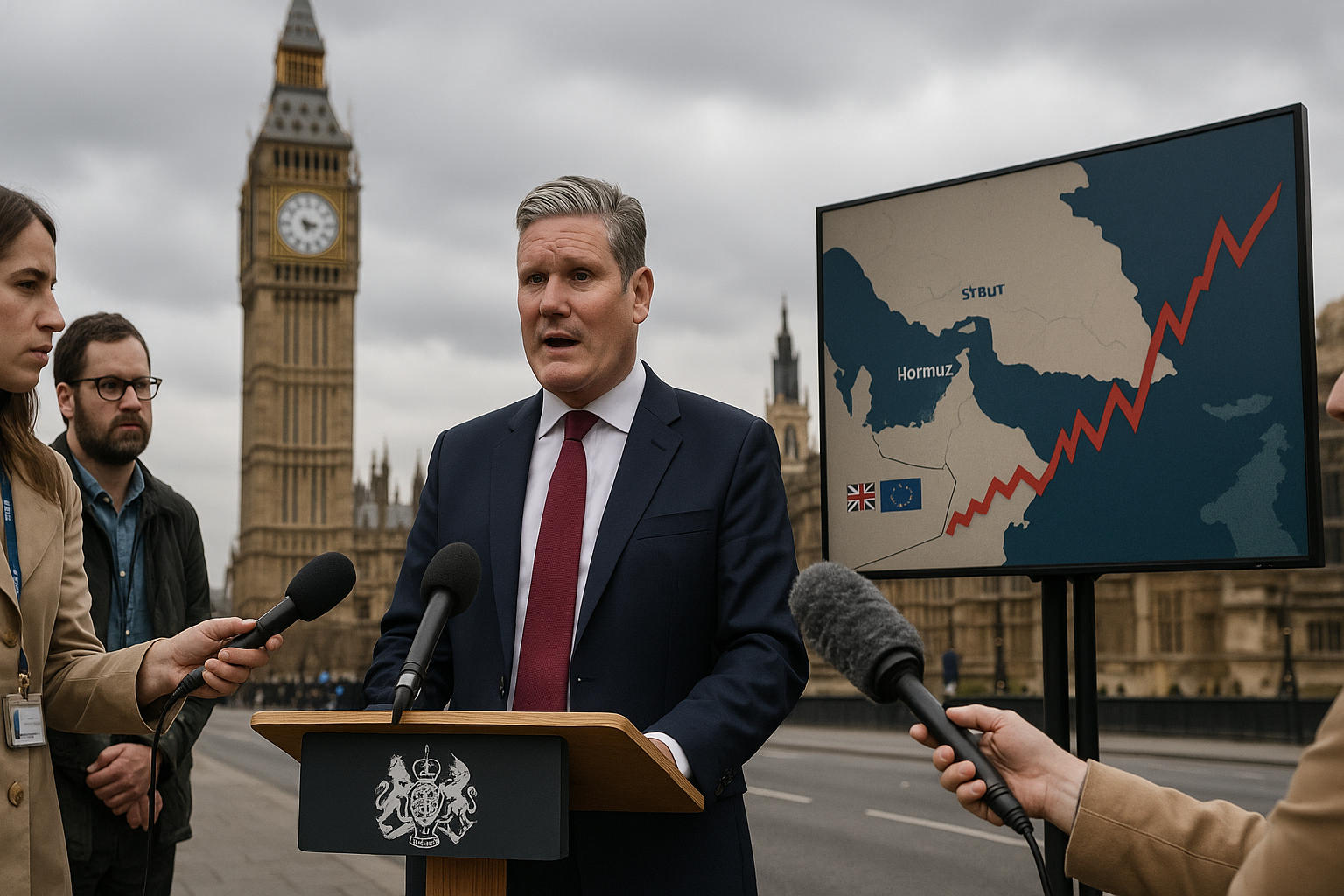
Starmer told reporters that the appointment was a mistake and that he apologised unreservedly to Epstein's victims. He stated he had been given assurances about the nature of Mandelson's relationship with Epstein that subsequently proved to be inaccurate. The Prime Minister declined to specify who provided those assurances or whether any disciplinary action would follow.
The scandal has arrived at the worst possible moment — the eve of local elections that were already expected to deliver significant losses for Labour. A YouGov poll conducted in April found that 70% of respondents believed Starmer was performing badly as Prime Minister. The Mandelson affair has provided opposition parties with a ready-made narrative about Labour's judgement and its relationship with the establishment.
Separately, Starmer has acknowledged that the UK's relationship with the United States is under strain, telling reporters that "some of the alliances that we have come to rely on are not in the place we would want them to be." The divergence between London and Washington over the US-Israel conflict with Iran has created diplomatic friction that Mandelson's appointment was partly intended to manage.
Why It Matters
The Mandelson scandal matters beyond its immediate political damage because it speaks to a deeper tension within the Labour project. Starmer's decision to appoint a figure so closely associated with the Blair-era establishment was always a political risk; the argument was that experience and connections outweighed the optics. That calculation has now been exposed as flawed.
This is the third major reputational crisis of Starmer's premiership, following controversies over gifts and hospitality in his first year and the ongoing fallout from welfare reform. Unlike Scotland, where Labour's decline was gradual and structural, the English collapse is happening at speed. The pattern — a leader who appears competent but repeatedly makes avoidable errors of judgement — is becoming a defining narrative that opponents are exploiting with increasing effectiveness.
For the Labour Party's internal dynamics, the scandal has accelerated conversations that were already happening. Former deputy leader Tom Watson has publicly urged MPs not to plot against Starmer, but the very fact that such a plea was necessary indicates the temperature inside the parliamentary party.
Local Impact
Across the UK, the scandal has reinforced public scepticism about political elites and their networks. In Northern Ireland, where trust in Westminster institutions is already fragile, the affair has been noted with particular attention by those who argue that the British political establishment operates by different rules for different people. In Scotland, where the SNP has long argued that Westminster is irredeemably corrupt, the Mandelson affair provides fresh ammunition. For ordinary voters in England and Wales heading to the polls on Thursday, it is one more reason to register a protest vote.
What's Next
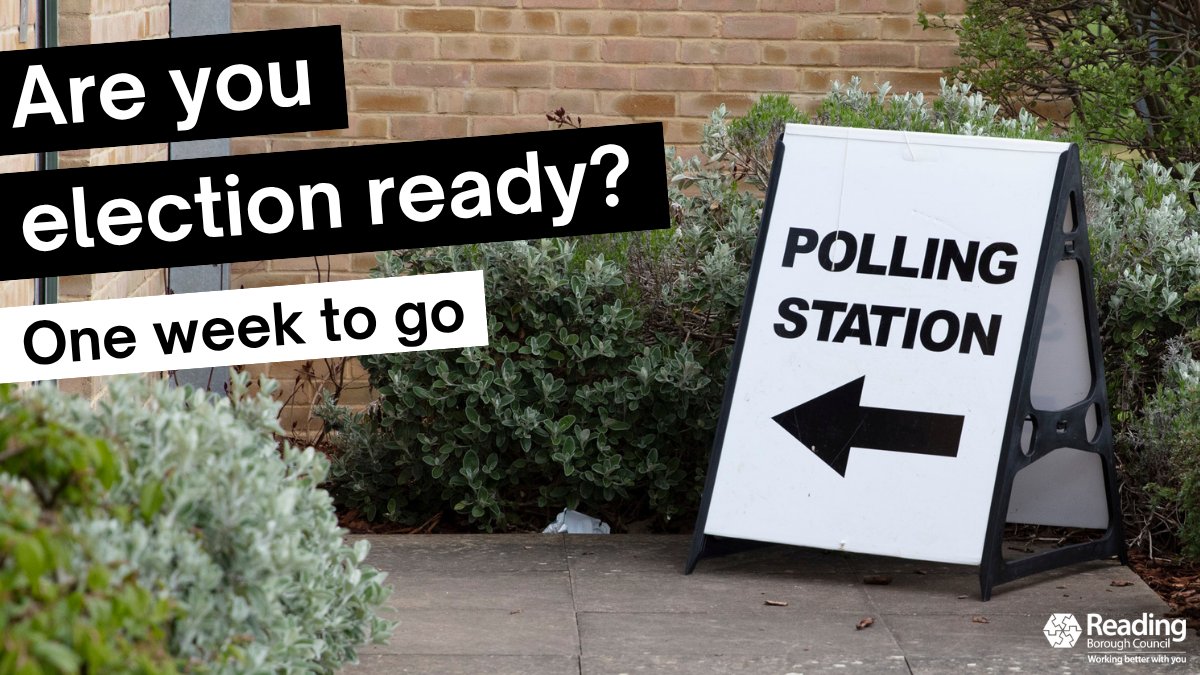
The immediate test is Thursday's local elections. If Labour's losses match projections, the pressure on Starmer will become acute. Parliamentary recess follows, providing a brief respite — but also an opportunity for internal organisation. The next scheduled parliamentary test is Prime Minister's Questions in late May, by which point the political landscape may look very different.
Sources: The Guardian, Al Jazeera