Labour Braces for Historic Losses as UK Votes Tomorrow in Local Elections
The United Kingdom goes to the polls on Thursday in what is shaping up to be the most consequential set of local elections in a generation — a vote that could fundamentally reshape the political landscape and trigger a leadership crisis at the heart of the Labour government.
Background
Thursday's elections cover 5,066 council seats across 136 English local authorities, including all 32 London borough councils, 32 metropolitan boroughs, six county councils, and 48 district councils. Devolved elections to the Scottish Parliament and the Senedd in Wales take place simultaneously, making this the broadest democratic test since the 2024 general election that swept Keir Starmer to power.
The seats being contested were last fought in 2022, when Labour polled at approximately 35% nationally. The party now sits around 20% in most surveys — a collapse of fifteen points that, if replicated at the ballot box, would translate into catastrophic losses across the north of England, the Midlands, and inner London. The political arithmetic is brutal: Labour is defending seats won during a period of peak anti-Conservative sentiment that no longer exists.
These are the second local elections of Starmer's premiership, and they arrive amid a toxic combination of domestic scandal, strained international relations, and a cost-of-living crisis that has eroded the goodwill the party enjoyed after its landslide victory. A YouGov poll in April found that 70% of respondents believed Starmer was performing badly — a figure that would have seemed unthinkable eighteen months ago.
Key Developments
Projections from PollCheck, which models results using national polling data, local election history, and demographic modelling, suggest Reform UK could gain over 1,300 seats — more than doubling their current tally of 986 councillors to approximately 2,342. The party, polling nationally at 27% or above, is forecast to take outright control of county councils in Essex, Norfolk, and Suffolk, and to flip Labour-held metropolitan boroughs including Sunderland, Thurrock, Wakefield, and Barnsley.
The Green Party, under new leader Zack Polanski, is projected to gain 555 seats from a base of just 141, with particular strength in London. The party could take outright control of Hackney and mount serious challenges in Islington, Lambeth, and Lewisham. In the Gorton and Denton by-election earlier this year, the Greens defeated Reform UK with Labour falling to third — a result that sent shockwaves through Westminster.
The Liberal Democrats are forecast to gain around 393 seats, targeting overall control in East Surrey, West Surrey, Hampshire, West Sussex, and Huntingdonshire. The Conservatives, squeezed by Reform on the right and the Liberal Democrats in the south, face losses of around 907 councillors.
Why It Matters
This is not merely a mid-term protest vote. The scale of projected losses — Labour potentially shedding between half and three-quarters of its councillors — would represent a structural collapse of the party's local government base that could take a decade to rebuild. Unlike Scotland, where Labour's decline was gradual, the English collapse is happening at speed and across multiple fronts simultaneously.
The results will also test whether Reform UK can translate national polling into actual governance. Taking control of county councils in Essex and Norfolk would give Nigel Farage's party real executive power for the first time — the ability to set budgets, run services, and demonstrate whether their populist platform can survive contact with the mundane realities of bin collections and social care. For context, the BNP's brief period of local control in Barking and Dagenham in 2006 ended in humiliation; Reform's trajectory is far more substantial.
Inside Labour, the question of Starmer's future is already being discussed. Former deputy leader Tom Watson has publicly urged MPs not to plot against the Prime Minister, warning that internal coups have historically damaged the party. But potential challengers — Andy Burnham, Angela Rayner, Wes Streeting — are reportedly in a standoff, each waiting for another to move first.
Local Impact
For voters across the UK and Ireland, the results will have tangible consequences. In areas where Reform takes control, council policies on housing, planning, and local services could shift significantly. In London, a Green surge could reshape transport and environmental policy in boroughs that cover millions of residents. In Wales, a Plaid Cymru advance could accelerate devolution debates. In Northern Ireland, the results will be watched closely as a barometer of the broader UK political mood ahead of any future border poll discussions.
What's Next
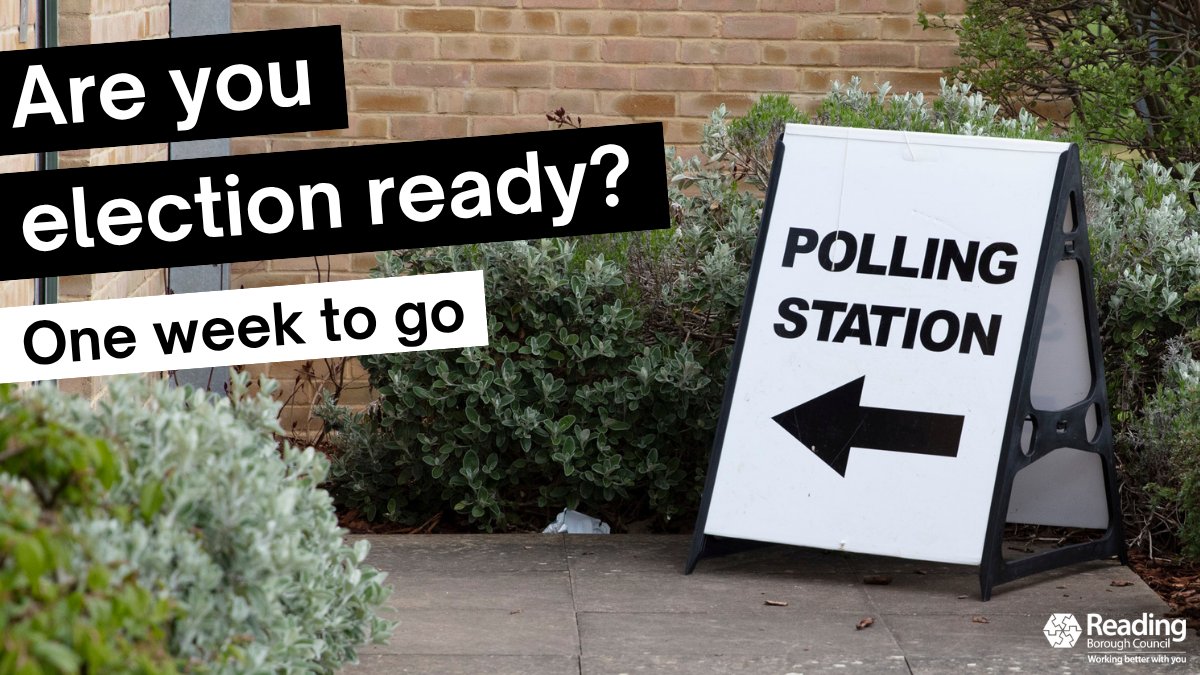
Polling stations open at 7am on Thursday 7 May and close at 10pm. Results will begin to emerge through the early hours of Friday morning, with most declarations expected by Friday afternoon. If Labour's losses match projections, pressure on Starmer's leadership will intensify immediately. A parliamentary recess follows, giving the party time to absorb the results — but also time for internal plotting to accelerate.
Sources: The Independent, PollCheck