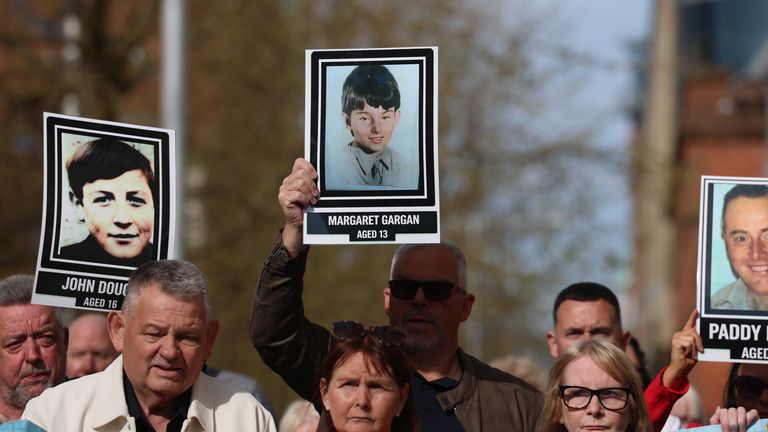
Springhill Inquest: Soldiers 'Overreacted and Lost Control' in 1972 West Belfast Killings
A landmark inquest has ruled that two British Army soldiers "overreacted and lost control" when they shot and killed five people, including a Catholic priest, in the Springhill area of West Belfast in July 1972. The long-awaited findings, delivered after a fresh inquest was ordered, have been hailed by victims' families as a vindication of their decades-long campaign for truth and a restoration of their loved ones' dignity.
Background
The Springhill-Westrock massacre took place over a series of related incidents on 9 July 1972, a period of intense violence in Northern Ireland. The area was a flashpoint for clashes between the British Army and the Provisional IRA. The five victims were Catholic priest Father Noel Fitzpatrick (42), who was shot while administering the last rites to another victim; Patrick Butler (38); Martin Dudley (17); John Dougal (16); and Margaret Gargan (13). For nearly 50 years, the official army narrative suggested the soldiers had come under fire from republican paramilitaries and had responded appropriately. However, families and eyewitnesses always maintained that the victims were unarmed civilians, and that the army's actions were unjustified.
Key Developments
The fresh inquest, which began in 2022, re-examined all available evidence, including new ballistic reports and testimony from civilian and military witnesses. The coroner, delivering the verdict, concluded that the use of lethal force was not justified in the cases of the five deceased. The ruling stated that while the soldiers may have perceived a threat, their response was disproportionate. Specifically, the coroner found that the two soldiers primarily responsible for the shots had "overreacted and lost control" in a chaotic and frightening situation, leading to the tragic loss of life. Following the verdict, a Catholic bishop, speaking on behalf of the families, said the ruling had finally "restored the dignity" of the victims, who had been wrongly labelled as gunmen for decades. He praised the families for their unwavering resilience and determination in their pursuit of justice. Source: Belfast Live.
Why It Matters
This inquest verdict is a significant moment in the ongoing process of addressing the legacy of The Troubles. It formally overturns the state's narrative of the event and validates the testimony of local people who witnessed the killings. The ruling demonstrates the crucial role that independent inquests can play in establishing the truth about contested historical events, even half a century later. For thousands of families affected by the conflict, such legal processes represent the only viable path to accountability and official acknowledgement of wrongdoing. The Springhill finding will give hope to other families still campaigning for fresh inquests into the deaths of their relatives, reinforcing the principle that no case is too old to be re-examined in the light of new evidence or a more rigorous legal framework.
Local Impact
In West Belfast, the verdict has been met with relief and a profound sense of vindication. For the Springhill and Westrock communities, the massacre left a deep and lasting scar, and the official narrative was a source of continuing pain and anger. The coroner's findings have lifted a heavy burden from the families and the wider community, confirming what they have always known to be true. The ruling is not just a legal decision; it is a validation of community memory and a powerful rebuttal to the historical record as written by the state. It allows for a more honest and accurate telling of the area's history and provides a measure of closure for those who have lived in the shadow of the tragedy for their entire lives.
What's Next
Following the inquest's conclusions, the families' legal teams will now consider their next steps. This could include pursuing civil cases against the Ministry of Defence. The verdict will also increase pressure on the Public Prosecution Service to review the case and consider whether there is sufficient evidence to bring charges against the soldiers involved, although the age of the case and the individuals presents significant challenges. The ruling adds to a growing body of legal findings that challenge the conduct of British forces during The Troubles and will fuel the ongoing debate around the UK Government's controversial Legacy Act, which aims to end most future prosecutions related to the conflict. Read more at Belfast Live.