Dublin Central and Galway West Byelections Set for 22 May as Candidate Lists Confirmed
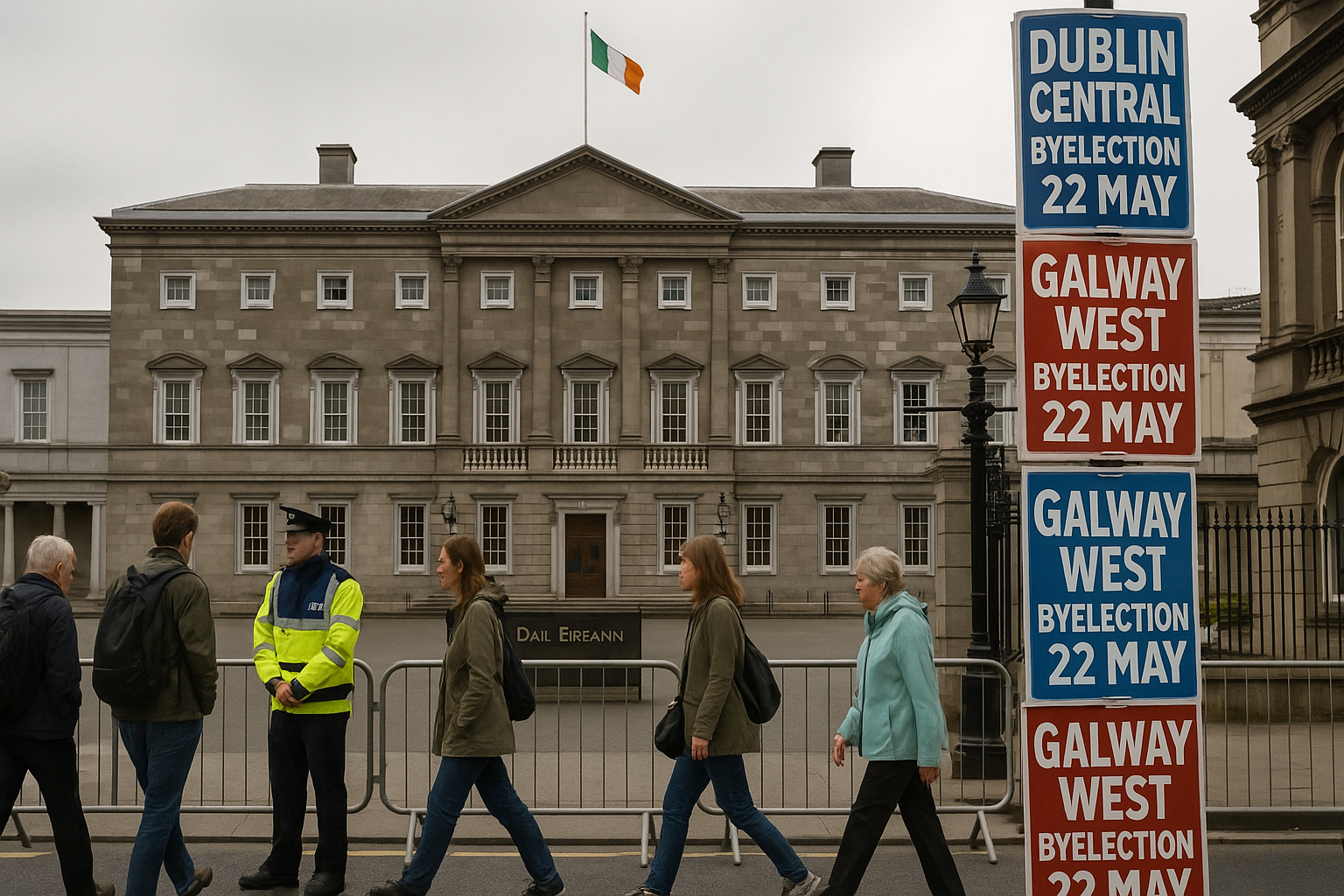
Voters in Dublin Central and Galway West will head to the polls on Friday, 22 May, to elect new TDs, with the final candidate lists revealing a crowded and diverse field in both constituencies. A total of 14 candidates will contest the seat in the capital, while 17 are vying for the vacancy in the west, in what are being framed as crucial early tests of public opinion for the Government and opposition parties alike.Background
The two byelections were triggered by high-profile departures from the Dáil. In Dublin Central, the vacancy arose following the resignation of former Minister for Finance, Paschal Donohoe of Fine Gael, who stepped down in November 2025 to accept a senior position at the World Bank in Washington D.C. His departure has left a significant void in a constituency he represented for over a decade, creating a fierce battle to capture a seat held by a political heavyweight. The constituency, which encompasses the heart of the capital, is known for its diverse demographics and complex political landscape, making the outcome particularly unpredictable.
Meanwhile, the Galway West contest was prompted by the historic election of its long-serving independent TD, Catherine Connolly, to the presidency in October 2025. Connolly had built a formidable personal vote in the constituency over many years, championing social justice and environmental causes. Her absence has opened up the field, with a wide array of candidates from established parties and the independent scene hoping to inherit her substantial support base. Galway West, a sprawling five-seat constituency, is traditionally competitive, and this byelection is expected to be no different.
These elections are taking place against a backdrop of significant national challenges, including a persistent cost-of-living crisis, a strained housing market, and recent industrial unrest. The results will be scrutinised not only as a verdict on the performance of the current coalition Government but also as a measure of the political momentum of opposition parties, particularly Sinn Féin, which has high hopes of making gains.
Key Developments
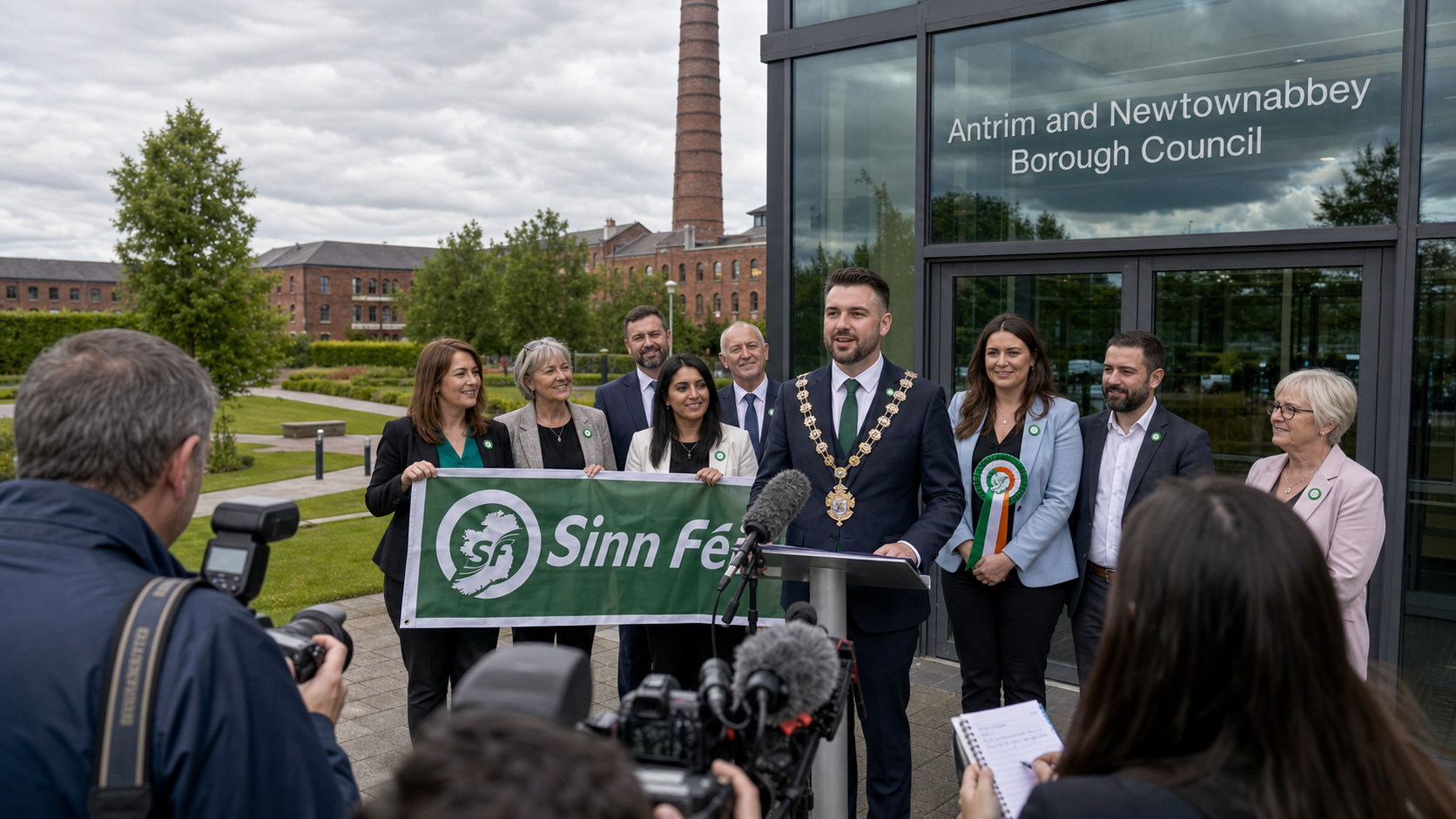
In Dublin Central, the ballot paper will feature 14 names, reflecting a broad political spectrum. Fine Gael is pinning its hopes on the Lord Mayor of Dublin, Ray McAdam, to retain the seat. However, he faces a significant challenge from Sinn Féin's Janice Boylan, a sitting Dublin City Councillor, in what is party leader Mary Lou McDonald's home constituency. Fianna Fáil, seeking to re-establish its presence in Bertie Ahern's old territory, has selected Councillor John Stephens. The left-wing vote is heavily contested, with Labour's Ruth O'Dea, the Green Party's Janet Horner, and People Before Profit's Eoghan Ó Ceannabháin all in the running.
The Dublin Central race is further complicated by a number of high-profile independent candidates. Most notably, Gerry "The Monk" Hutch, the veteran criminal figure who narrowly missed out on a seat in the 2024 general election, has officially entered the race, sparking considerable controversy. In Galway West, the field is even larger, with 17 candidates confirmed. Fianna Fáil has put forward Councillor Cillian Keane, while Fine Gael is running Senator Seán Kyne, a former TD and junior minister. Sinn Féin's hopes rest with trade union organiser Mark Lohan.
The sheer number of candidates in both constituencies suggests that transfers will be crucial in determining the final outcome. Political commentators are already noting that the fragmented nature of the fields makes prediction exceptionally difficult, with the potential for surprise results in both seats.
Why It Matters
These byelections are more than just local contests; they are a significant political barometer. For the Government, retaining the Dublin Central seat would be a major symbolic victory, demonstrating resilience amid public discontent over the cost of living and housing. Conversely, a loss would be interpreted as a damaging public rebuke and could increase internal party pressures. For Sinn Féin, winning in either or both constituencies would solidify its position as the leading opposition party and build momentum towards the next general election. The party's performance in Mary Lou McDonald's own backyard will be under intense scrutiny.
The presence of controversial figures like Gerry Hutch adds another layer of complexity, raising fundamental questions about character, transparency, and the standards expected of public representatives. The outcomes will also provide a valuable insight into the current strength of smaller parties and the independent movement. In an increasingly fragmented political landscape, the ability of non-aligned candidates to challenge the established order is a key trend. Unlike the 2024 general election, where Sinn Féin underperformed its poll ratings, these byelections offer a cleaner read of the current political mood. The results on 22 May will therefore be dissected for what they reveal about the shifting allegiances of the Irish electorate and the key issues that will define the political battleground in the years to come.
Local Impact
For the residents of Dublin Central, this byelection is a chance to elect a new voice to champion their interests on pressing local issues, from the housing crisis and rental affordability to crime and public transport. The high-density urban area faces unique challenges, and voters will be looking for a candidate who can deliver tangible results. In Galway West, the concerns are equally pressing but different in nature. The constituency blends a vibrant city with extensive rural areas, creating a complex mix of urban and agricultural interests. Issues such as regional development, infrastructure, healthcare access, and support for the farming and fishing communities will be at the forefront of the campaign. The election of a new TD provides an opportunity for both constituencies to ensure their voices are heard loud and clear in the national parliament.
What's Next
With the candidate lists now finalised, the campaigns will enter their final, intensive phase. Over the next three weeks, candidates will be canvassing door-to-door, participating in local debates, and making their case to the electorate through traditional and social media. The national political parties will deploy senior figures to support their candidates, recognising the national significance of the contests. The count, which will begin on Saturday, 23 May, is expected to be a lengthy process, particularly in Galway West, given the number of candidates and the likely importance of vote transfers. The final results will not only determine who represents these two key constituencies but will also set the political narrative for the months ahead.
Sources: The Irish Times | RTÉ News