MPs Vote to Block Mandelson Sleaze Probe as Labour Rebels Warn of Endless Drama
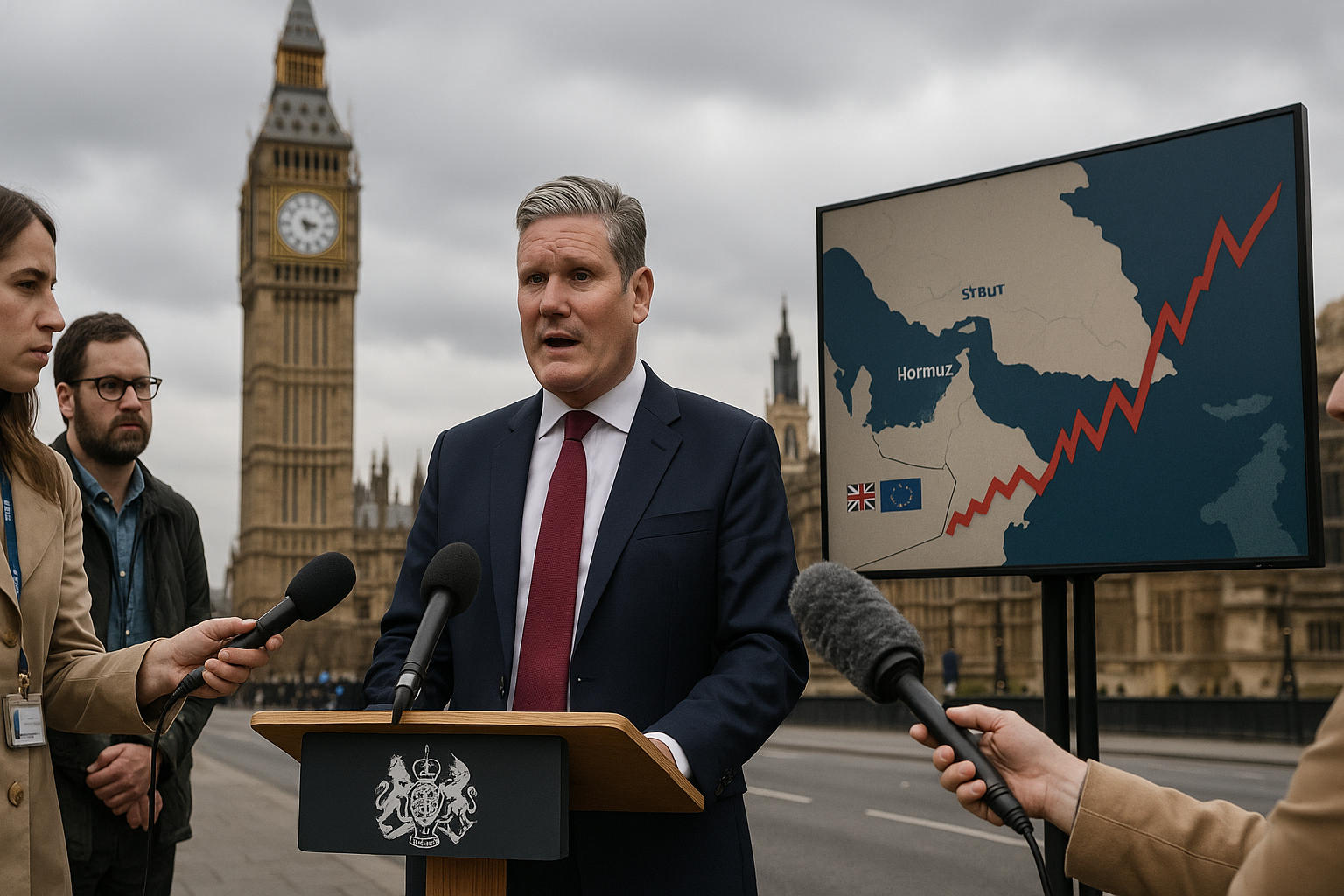
The House of Commons has voted 335 to 223 against referring Prime Minister Keir Starmer to the Privileges Committee over the botched appointment of Lord Mandelson as US ambassador, but the controversy has left deep wounds within the Labour Party on the eve of crucial local elections.
Background
The Mandelson affair has been one of the most damaging episodes of Starmer's premiership. Lord Peter Mandelson, the veteran Labour grandee and former EU trade commissioner, was appointed as Britain's ambassador to Washington despite questions about his past associations — most notably his links to the late Jeffrey Epstein, the convicted sex offender. The appointment process became the subject of intense scrutiny after allegations emerged that Starmer had misled Parliament about whether full due process had been followed and whether any pressure had been exerted during the vetting.
Mandelson's appointment was seen by critics as a political favour to a powerful figure within the Labour establishment, and the handling of the vetting process raised serious questions about transparency and accountability at the heart of government. The controversy came at a particularly difficult moment for Starmer, whose poll ratings have fallen sharply since the 2024 general election victory.
Morgan McSweeney, Starmer's former chief of staff and the architect of Labour's 2024 election strategy, accepted responsibility for advising the appointment, describing the full details of Mandelson's relationship with Epstein as a knife through my soul. His intervention was seen as an attempt to draw a line under the affair, but it did little to quell the political storm.
Key Developments
The Commons vote, held in late April, saw 335 MPs vote against a Privileges Committee investigation into Starmer's conduct, with 223 voting in favour. Despite the government surviving the vote, the margin of rebellion within Labour's own ranks was notable, with some Labour MPs expressing concern about the optics of the party closing ranks to protect its own leader from scrutiny.
Conservative leader Kemi Badenoch used the controversy to attack Starmer as a weak prime minister with no plan and no agenda, while Reform UK sought to capitalise on the sense of sleaze surrounding the government. Starmer himself has maintained that proper processes were followed, a position that his critics dispute.
Labour MPs have since called for an end to the endless drama surrounding the affair, with some privately warning that the continued focus on internal controversies is damaging the party's ability to communicate its policy agenda ahead of Thursday's local elections.
Why It Matters
The Mandelson affair matters because it touches on fundamental questions about standards in public life and the accountability of those in power. The decision to block a Privileges Committee investigation — using the government's own majority — will strike many observers as precisely the kind of behaviour that erodes public trust in politics. This is the second time in two years that a governing party has used its parliamentary majority to prevent scrutiny of its own conduct, following the controversies of the Johnson era.
For Labour, the political damage is compounded by timing. The party goes into Thursday's local elections with its poll ratings at their lowest since taking office, and the Mandelson affair has contributed to a narrative of a government that promised change but has delivered more of the same Westminster insider culture. Unlike the Conservatives' Partygate scandal, which was clear-cut in its wrongdoing, the Mandelson affair is murkier — but murkiness rarely helps incumbents.
Local Impact
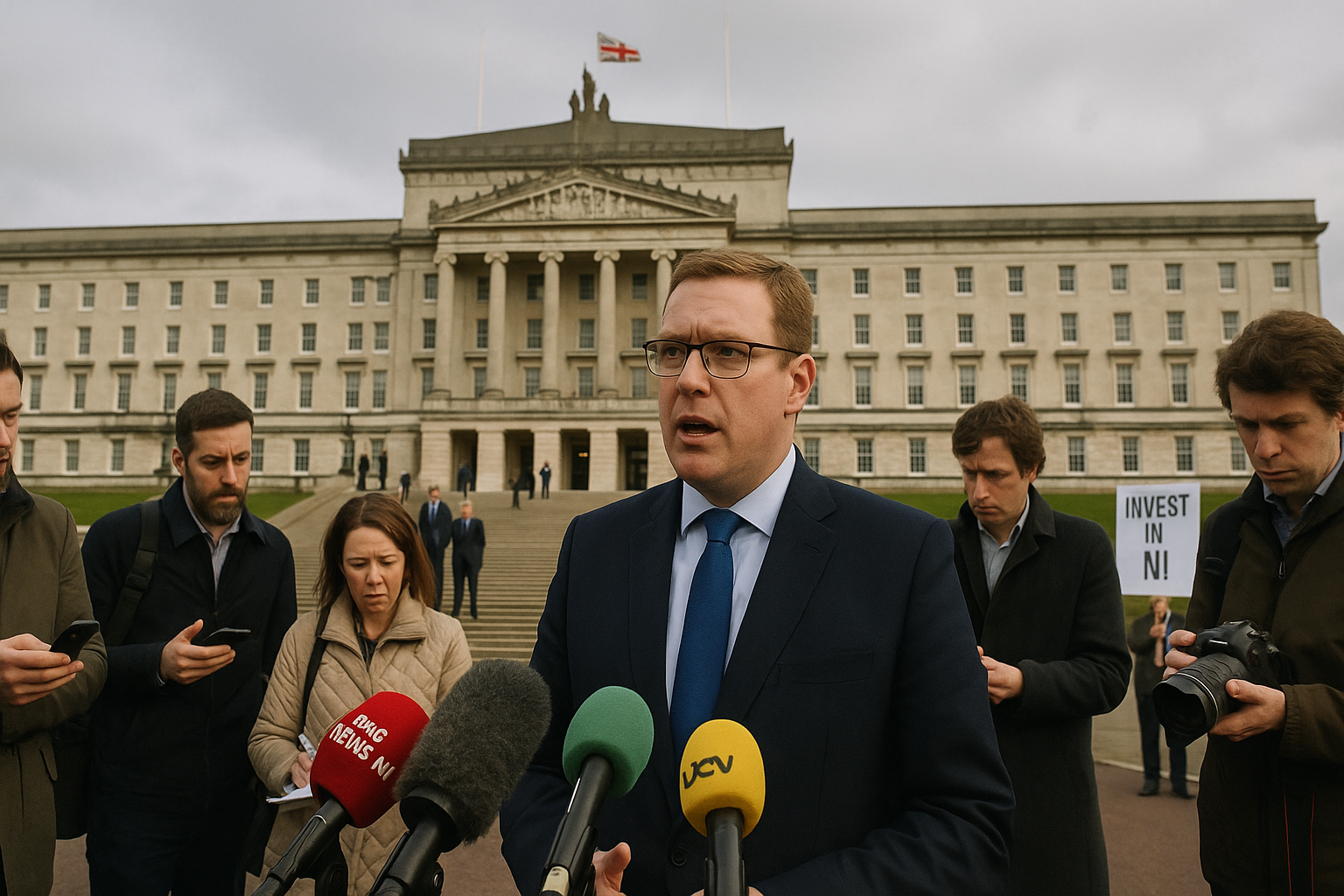
The political fallout from the Mandelson affair is being felt across the UK, with voters in Thursday's local elections citing trust in politicians as a key concern. In Northern Ireland, where Stormont has its own complex relationship with Westminster accountability, the affair reinforces a sense that the political class operates by different rules. In Scotland and Wales, where devolved elections are also taking place on Thursday, the controversy has given opposition parties additional ammunition to attack Labour's record in government.
What's Next
Thursday's local elections will provide the first major electoral verdict on Starmer's government since the 2024 general election. If Labour suffers the heavy losses projected by polling analysts, pressure for a change in direction — or leadership — will intensify rapidly. The next Prime Minister's Questions after the results will be a critical moment. Mandelson himself remains in post as US ambassador, and his performance in Washington will continue to be scrutinised.
Sources: The Guardian — Mandelson vetting vote live; Metro — Starmer sleaze vote