SIPO Launches Probe into Junior Minister Niall Collins Over Land Deal as Taoiseach Backs Colleague
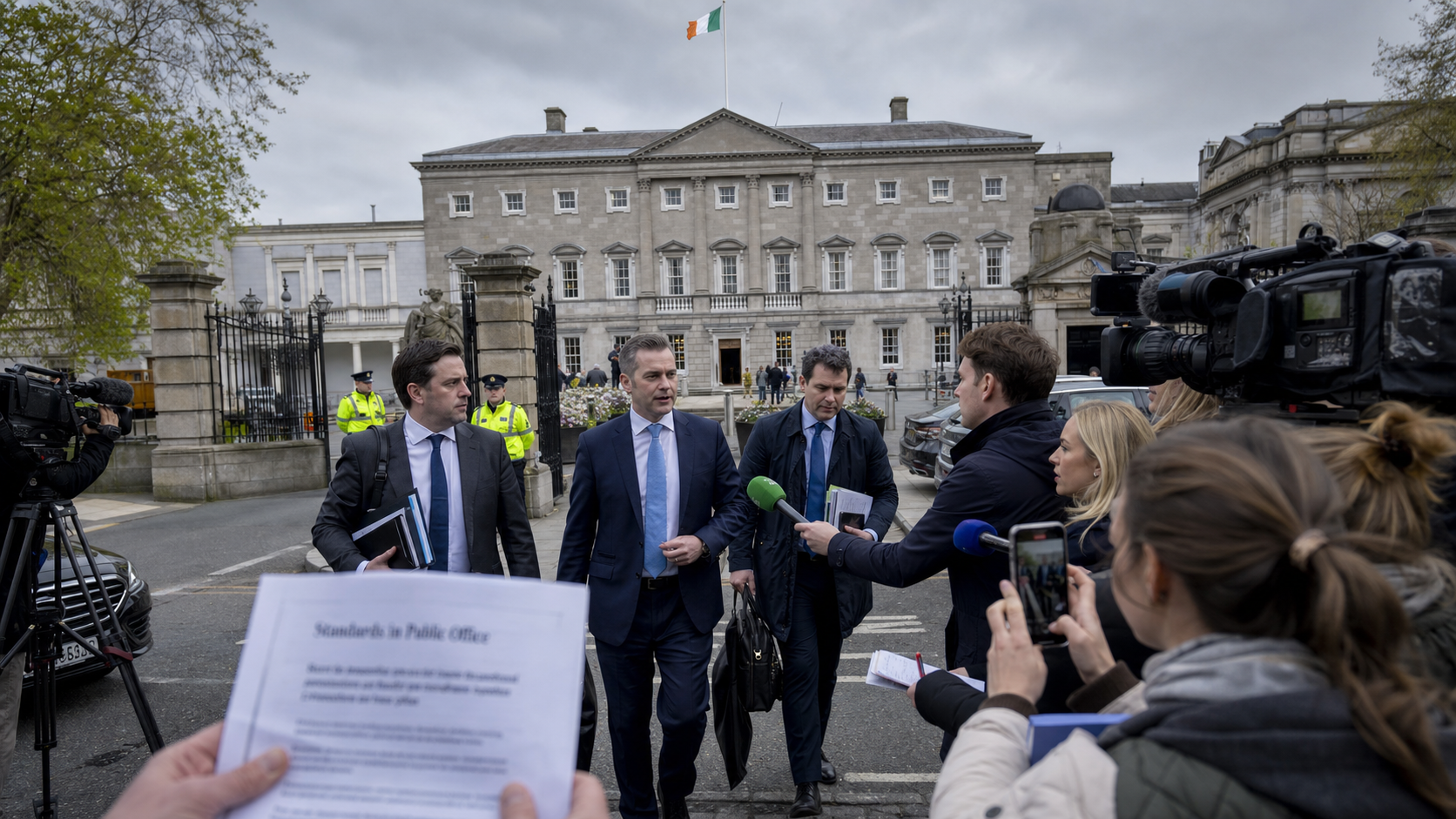
The Standards in Public Office Commission has launched a formal investigation into Junior Minister Niall Collins, the Fianna Fáil TD for Limerick County, in connection with a land deal that has attracted scrutiny from political opponents and ethics watchdogs. Taoiseach Micheál Martin has expressed confidence in Collins and indicated that he will not be asked to step aside pending the outcome of the SIPO investigation, a position that has drawn sharp criticism from Sinn Féin and the Social Democrats, who argue that the minister's position is untenable while a formal probe is under way.
Background
Niall Collins has served as a Junior Minister in the Department of Further and Higher Education since the formation of the current government in early 2025. He is a long-serving Fianna Fáil TD for the Limerick County constituency, first elected to the Dáil in 2007, and is a member of one of the most prominent political families in Limerick — his uncle is the former Taoiseach Des O'Malley, and his father Gerry Collins served as a government minister for many years.
The Standards in Public Office Commission is the statutory body responsible for investigating alleged breaches of ethics legislation by members of the Oireachtas and office holders. Its investigations are conducted independently of the government, and its findings can result in recommendations for sanctions including the loss of office. The commission has the power to compel the production of documents and to take evidence under oath.
The specific nature of the land deal under investigation has not been fully disclosed by SIPO, which is required by law to conduct its investigations in private until a formal finding is made. However, reports in the Irish media have indicated that the investigation relates to a transaction involving land in County Limerick and questions about whether Collins complied with his obligations under the Ethics in Public Office Acts to disclose interests and to avoid conflicts of interest.
Key Developments
SIPO confirmed on 3 September that it had opened a formal investigation into Collins, following a preliminary examination of the matter. The commission declined to provide further details about the scope or timeline of the investigation, citing its statutory obligation to conduct proceedings in private. Collins issued a statement saying that he welcomed the investigation and was confident that it would confirm that he had acted properly at all times. He indicated that he would cooperate fully with SIPO and provide all relevant documentation.
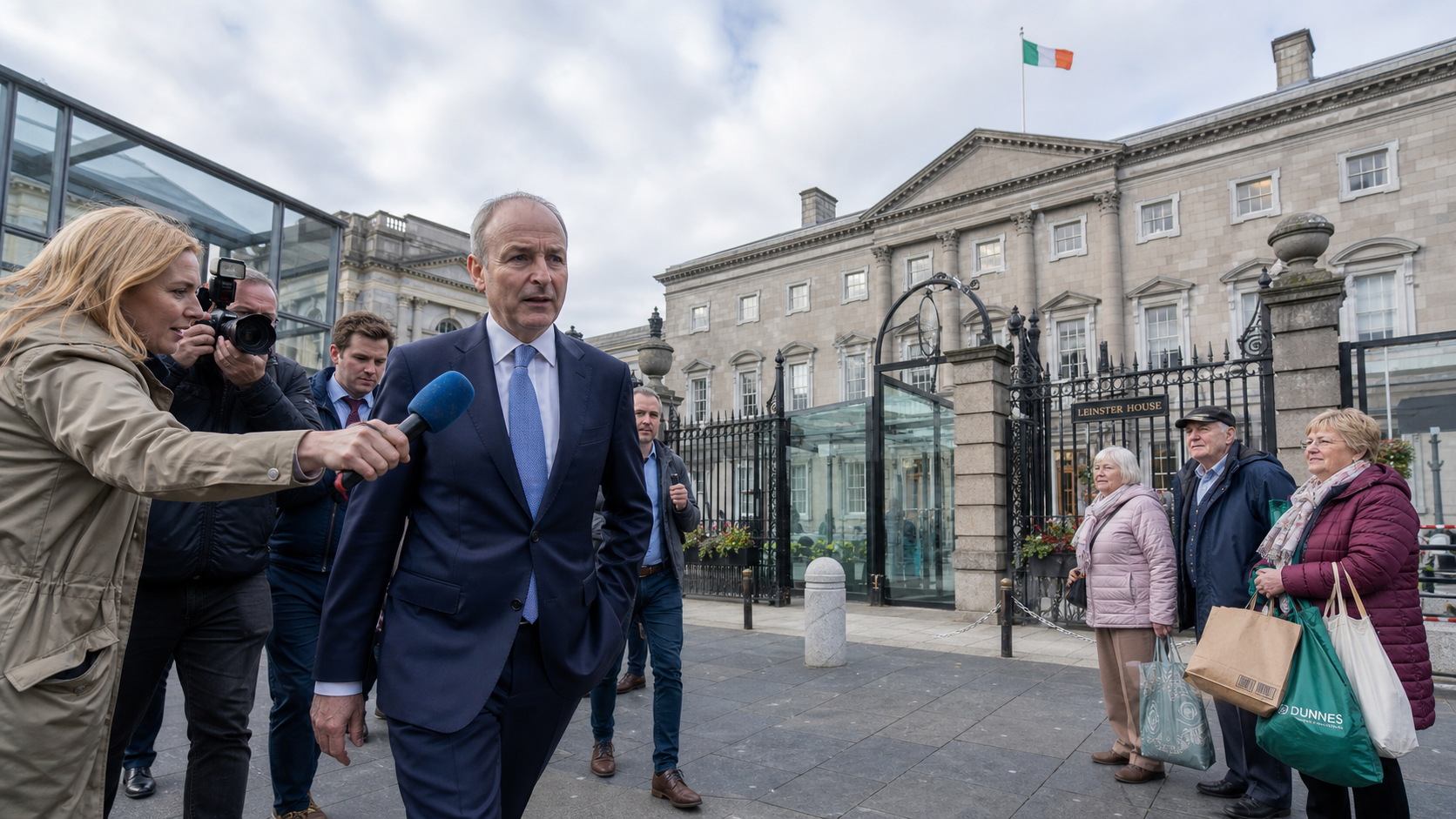
Taoiseach Micheál Martin, speaking at a press conference on Thursday, said that he had spoken with Collins and that he retained confidence in the minister. Martin indicated that Collins would not be asked to step aside pending the outcome of the investigation, saying that it would be wrong to prejudge the outcome of a process that had only just begun. The Taoiseach's position was immediately challenged by Sinn Féin leader Mary Lou McDonald, who said that the standard practice in Irish politics — and in comparable democracies — was for ministers under formal investigation to step aside until the matter was resolved.
Social Democrats leader Holly Cairns, who recently drew praise for proactively repaying €8,500 in Oireachtas expenses that had been mistakenly paid during her maternity leave, said that the contrast between her approach to transparency and the government's handling of the Collins matter illustrated a fundamental difference in political culture between the government parties and the opposition.
Why It Matters
The SIPO investigation into Collins matters for several reasons. First, it raises questions about the standards of conduct expected of government ministers and the mechanisms for enforcing those standards. The Ethics in Public Office Acts were introduced in the 1990s in response to a series of political scandals, and the SIPO was established to provide independent oversight of compliance. If a minister under formal investigation is allowed to remain in office without any accountability, it undermines the purpose of the legislation. Second, the investigation comes at a politically sensitive time, with Budget 2027 approaching and the government seeking to project an image of competent, ethical governance ahead of the local elections in May 2027. Third, the case will inevitably be compared to previous controversies involving Fianna Fáil ministers and land dealings, a comparison that the party's opponents will be quick to make.
Local Impact
In Limerick, the investigation has generated significant local media coverage and political debate. Collins is a well-known figure in the county, and his supporters have been quick to defend him, arguing that the investigation is politically motivated and that he will be fully vindicated. His opponents, including Sinn Féin and Fine Gael councillors in Limerick County Council, have called on him to step aside pending the outcome of the investigation. The matter is expected to be raised at the next meeting of Limerick County Council, and local media have been seeking access to documents related to the land deal under Freedom of Information legislation.
What's Next
SIPO has not indicated a timeline for the completion of its investigation, which could take several months depending on the complexity of the issues involved and the volume of documentation to be reviewed. If the commission finds that Collins breached his obligations under the Ethics Acts, it will publish a report setting out its findings and recommendations. The Taoiseach would then be required to consider whether Collins should remain in office. Opposition parties have indicated that they will continue to press the government on the matter at every opportunity, and the issue is likely to feature prominently in Dáil questions when the Oireachtas returns from its summer recess.