Sinn Féin Warns Westminster Not to Block Border Poll as Trump's Unity Remarks Reverberate
Sinn Féin has issued its most direct warning yet to the UK government not to obstruct a border poll on Irish unity, as the political aftershocks of Donald Trump's declaration that he would "love to see" a united Ireland continue to reverberate through Westminster, Stormont, and Leinster House — with the party's leadership arguing that the conditions for a poll are being met and that the Secretary of State has a legal obligation under the Good Friday Agreement to call one when a majority appears likely.
Background
The question of a border poll — a referendum on Irish unity held simultaneously in Northern Ireland and the Republic — has been a central feature of Irish political discourse since the Brexit referendum of 2016, which saw Northern Ireland vote 56 per cent to remain in the European Union while the UK as a whole voted to leave. The Good Friday Agreement provides that the Secretary of State for Northern Ireland must call a border poll if it appears likely that a majority of those voting would support a united Ireland, but the agreement does not specify the criteria by which that likelihood should be assessed.
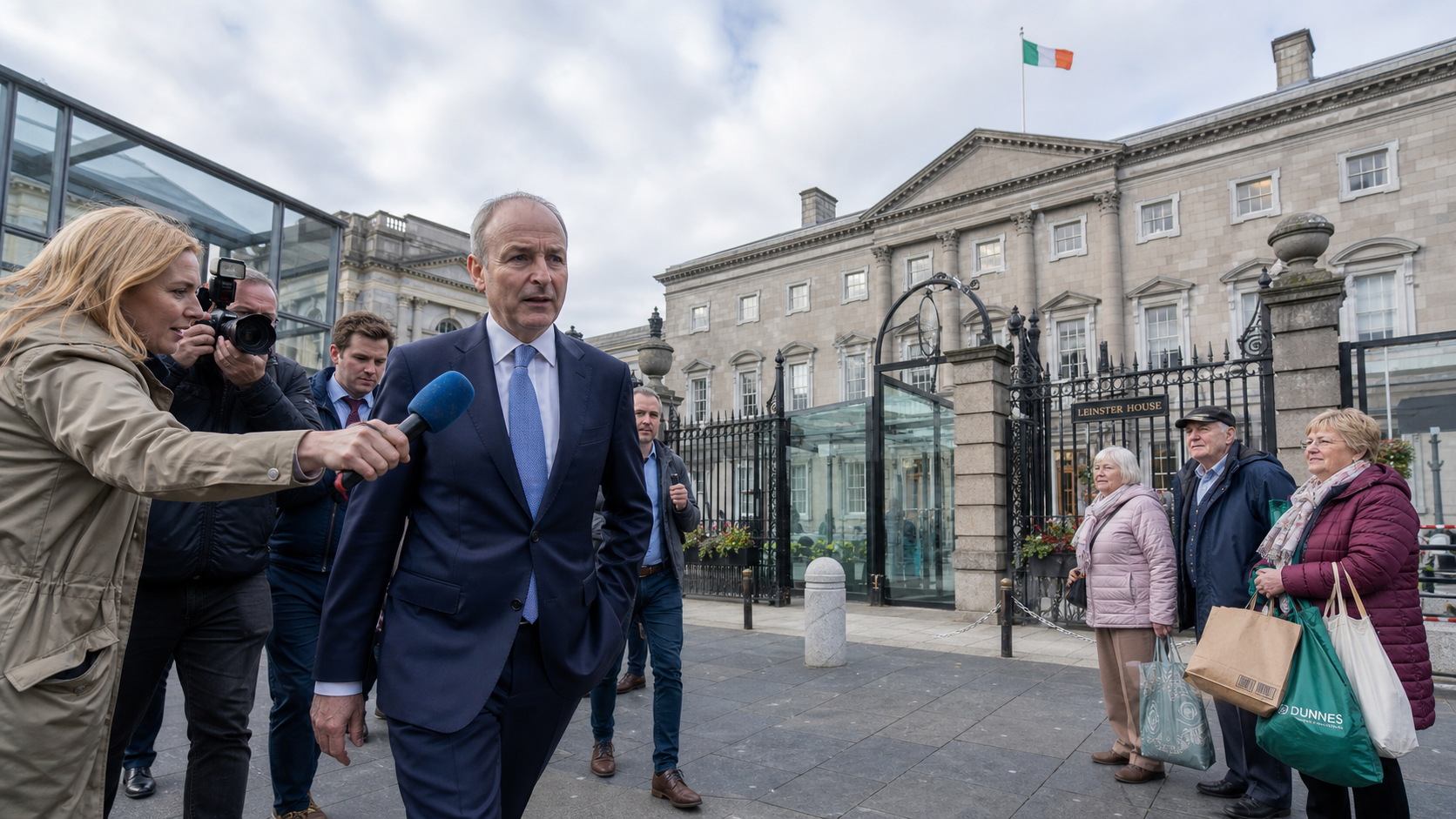
This ambiguity has been a source of persistent tension. Sinn Féin and other nationalist parties argue that the Secretary of State has a duty to call a poll when polling evidence and other indicators suggest that majority support for unity is within reach. Unionist parties and successive UK governments have argued that the threshold has not been met and that calling a poll prematurely would be destabilising. Taoiseach Micheál Martin has called for greater clarity on the trigger conditions, describing the current situation as "not satisfactory."
Donald Trump's remarks at the Irish Open trophy ceremony at Doonbeg — where he declared that a united Ireland would be "fantastic" and that he would "love to see" it happen — have injected a new and unpredictable element into the debate. While Trump's comments carry no legal or constitutional weight, they have given the unity question a global profile and have emboldened nationalist voices while infuriating unionist leaders.
Key Developments
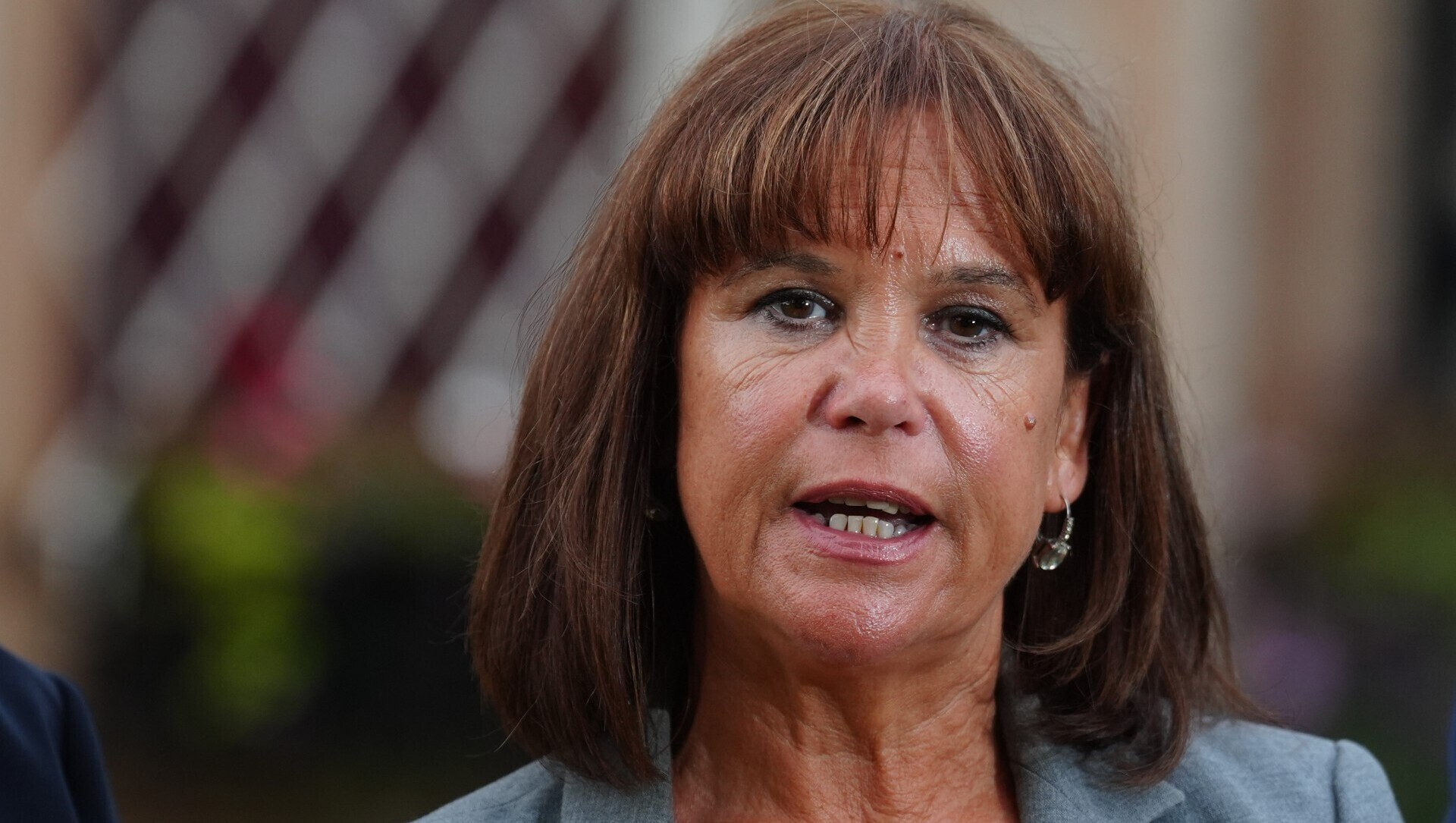
Sinn Féin president Mary Lou McDonald, speaking in Dublin on Monday, said the party was formally putting the UK government on notice that any attempt to block or delay a border poll would be challenged legally and politically. "The Good Friday Agreement is an international treaty," she said. "It is not optional. The Secretary of State has obligations under that treaty, and we will hold him to them."
McDonald pointed to a series of recent polls showing support for Irish unity at between 45 and 52 per cent in Northern Ireland — figures that, she argued, clearly indicate that a majority is within reach and that the conditions for a poll are being met. She also cited Trump's remarks as evidence of the changing international context, arguing that the US president's support for unity reflected a broader shift in global opinion.
UK Prime Minister Andy Burnham, speaking in Westminster, said that a border poll was "off the table" and that there had been "too much division" in Northern Ireland to contemplate a referendum in the near term. His comments were welcomed by unionist leaders but drew sharp criticism from Sinn Féin and the SDLP, who accused him of misreading the political situation.
Why It Matters
The border poll debate matters because it goes to the heart of the constitutional future of the island of Ireland and the sustainability of the Good Friday Agreement settlement. The agreement was designed to manage the competing aspirations of unionists and nationalists within a framework of consent and democratic legitimacy. The question of when and how a border poll should be called is not merely a procedural matter — it is a test of whether that framework can accommodate the changing political realities of post-Brexit Northern Ireland.
Trump's intervention, whatever its motivation, has changed the terms of the debate in ways that are difficult to predict. For the first time, a sitting US president has expressed personal support for Irish unity — a position that goes significantly further than the traditional American stance of supporting the peace process without taking sides on the constitutional question. The political implications of that shift, both for the UK-US relationship and for the dynamics of the unity debate, are still being worked through.
The Taoiseach's call for clarity on the trigger conditions for a poll is significant. It suggests that the Irish government is moving towards a more active engagement with the unity question, rather than the cautious, process-focused approach that has characterised its position in recent years. Whether that shift translates into concrete policy action — such as the establishment of a Citizens' Assembly on unity — remains to be seen.
Local Impact
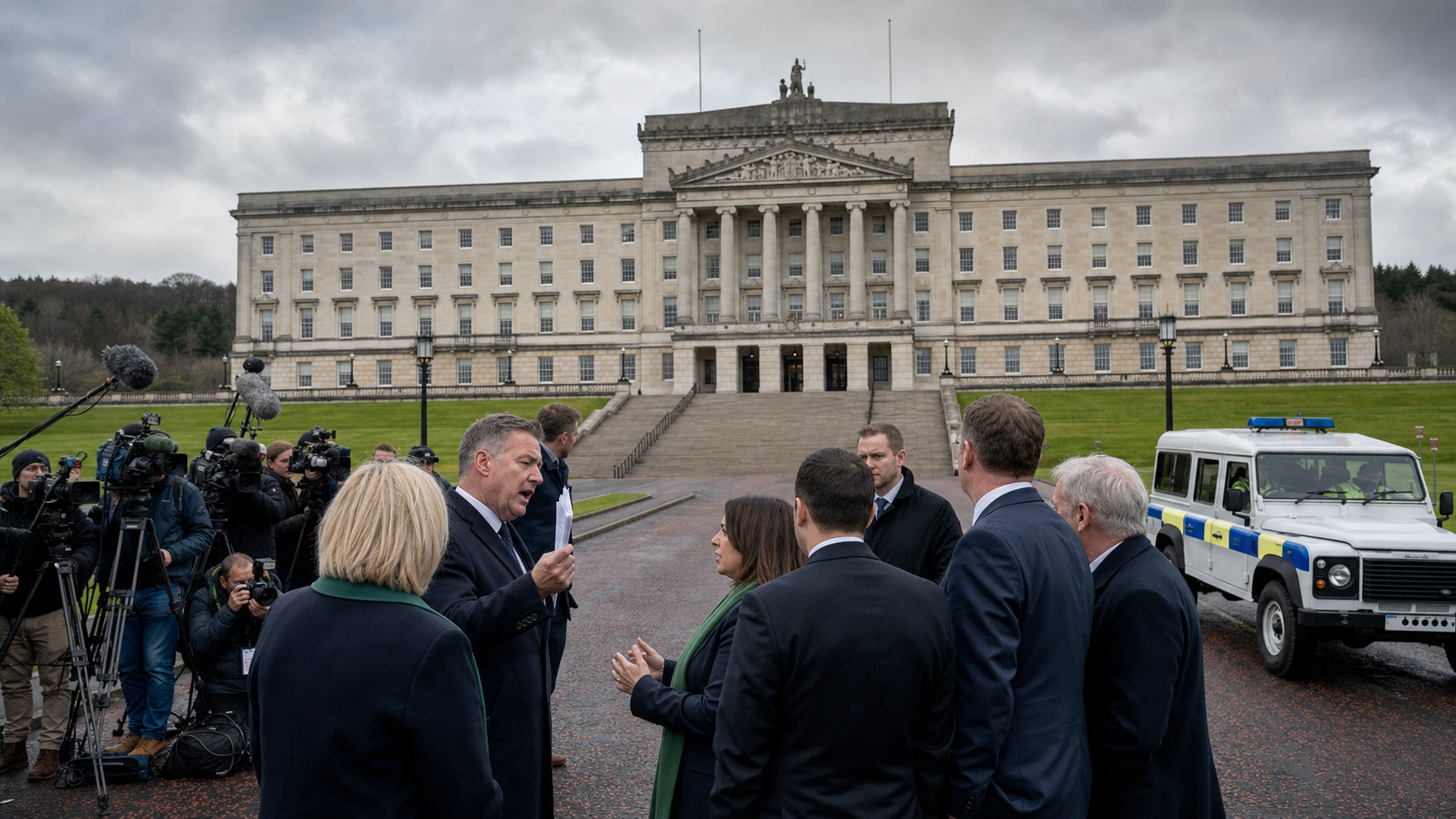
In Northern Ireland, the border poll debate is playing out against a backdrop of deep political polarisation. The DUP's Gavin Robinson has described Trump's remarks as a "dead cat" — a deliberate distraction — and has insisted that the constitutional future of Northern Ireland is a matter for its own people, not for foreign leaders. Alliance Party leader Naomi Long has called for a "calm and rational" conversation about the future, arguing that the current political temperature is not conducive to the kind of deliberative process that a unity referendum would require.
What's Next
The Oireachtas Committee on the Implementation of the Good Friday Agreement is expected to hold hearings on the border poll question in October 2026, with a report expected before the end of the year. The Irish government has indicated that it will publish a discussion paper on the conditions for a border poll in the first quarter of 2027. Sinn Féin has said it will bring a motion before the Dáil calling on the government to formally request that the UK Secretary of State clarify the criteria for calling a poll.