Sinn Féin Pulls Ahead of Fine Gael as Most Popular Party in New Poll as Government Faces Budget Pressure
Sinn Féin has moved ahead of Fine Gael as the most popular party in the Republic of Ireland in a new opinion poll published this morning, with both government coalition parties losing ground as the country enters the final weeks before Budget 2027 and the political pressure on Taoiseach Micheál Martin and Tánaiste Simon Harris to deliver meaningful cost-of-living relief intensifies.
Background
Opinion polling in the Republic has been volatile since the 2025 general election, reflecting the public's ambivalence about a government that has delivered strong economic growth and record tax receipts but has struggled to translate that prosperity into tangible improvements in living standards for ordinary households. The housing crisis, the cost of childcare, and the pressure on public services have all contributed to a sense that the benefits of Ireland's economic success are not being shared equitably — a perception that Sinn Féin has been effective at exploiting.
The party's rise in the polls has been a consistent feature of Irish political life since 2020, when it topped the poll in the general election for the first time in its history. Its subsequent period in opposition — during which it has positioned itself as the primary voice of those left behind by the Celtic Tiger's successor boom — has maintained its momentum, even as the party has faced internal challenges and scrutiny of its policies on issues ranging from housing to immigration.
Fine Gael, which leads the government as the senior coalition partner, has struggled to shake off the perception that it is the party of the establishment and the comfortable — a perception that is particularly damaging in an environment where the cost of living is the dominant political issue. The party's recent polling difficulties have been compounded by a series of controversies, including the ongoing investigation by the Standards in Public Office Commission into a junior minister's land dealings.
Key Developments
The new poll, conducted over the past week, places Sinn Féin on 27 per cent, Fine Gael on 24 per cent, and Fianna Fáil on 21 per cent. The Green Party is on 5 per cent, with independents and smaller parties accounting for the remainder. The poll represents a shift of approximately three percentage points from Sinn Féin's position in the previous survey, conducted in July, and a corresponding decline for Fine Gael. Fianna Fáil's position is broadly unchanged.
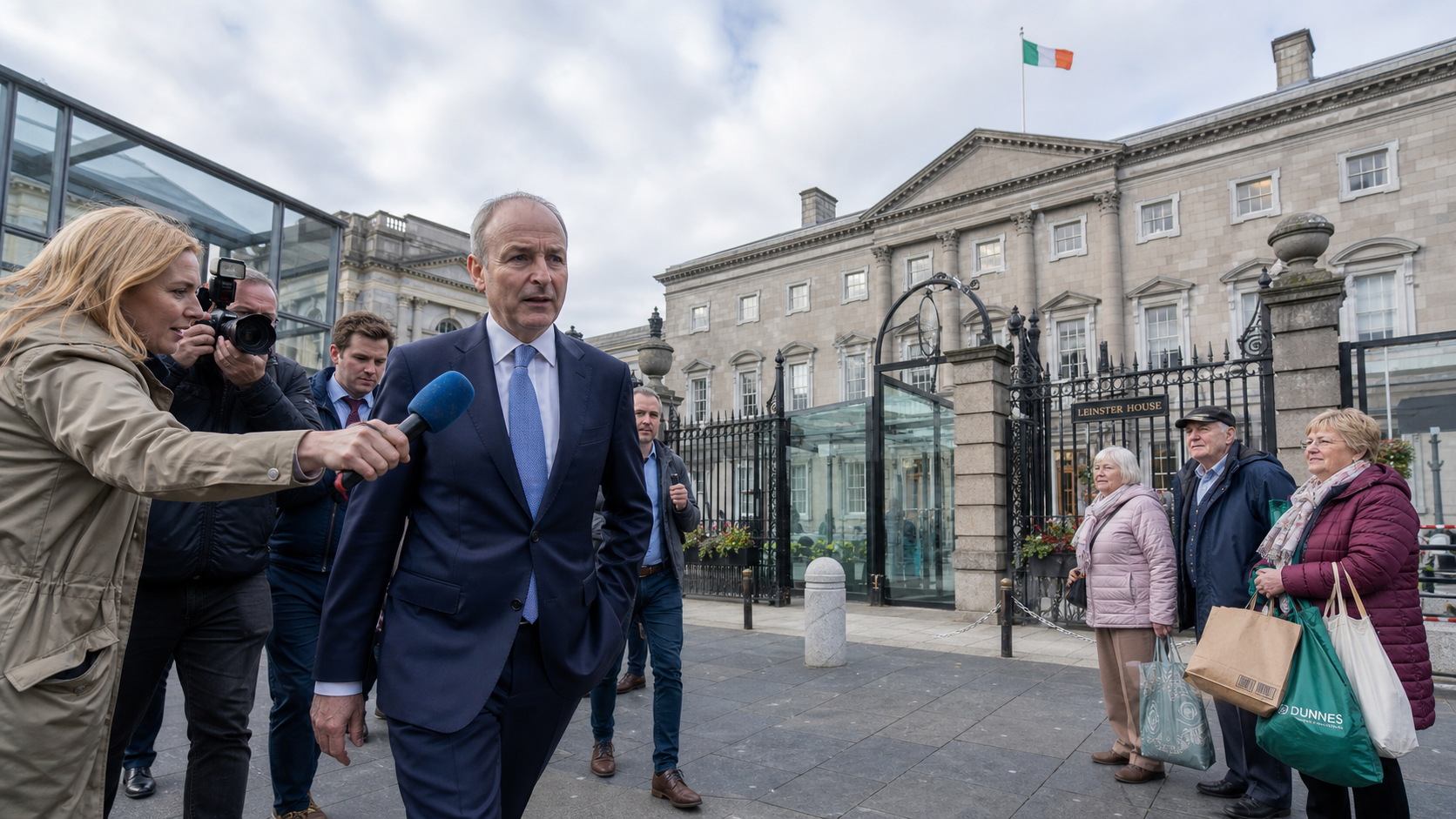
The poll was conducted as Fianna Fáil held its annual think-in in County Offaly, where Taoiseach Martin was outlining the party's budget priorities. The timing is unlikely to have been lost on the Taoiseach, who has consistently argued that the government's record on the economy and public services will ultimately be more persuasive to voters than opposition rhetoric. Sinn Féin leader Mary Lou McDonald described the poll as "a clear signal from the Irish people that they want a government that works for them, not for the privileged few."
Why It Matters
The poll matters because it shapes the political context in which Budget 2027 will be negotiated and delivered. A government that is trailing in the polls has a strong incentive to use the budget to demonstrate its relevance and its responsiveness to public concerns — but it also faces the risk of being seen as making politically motivated decisions rather than fiscally responsible ones. The tension between these imperatives is a defining feature of pre-budget politics in Ireland, and it is particularly acute this year given the scale of the fiscal space available and the competing demands on it. Social Justice Ireland has warned that income tax cuts disproportionately benefit higher earners; housing advocates are pressing for a major increase in social housing investment; disability groups are demanding reform of a support system that has been described as "not fit for purpose." The government cannot satisfy all of these demands simultaneously, and the choices it makes will define its political positioning for the next two years.
Local Impact
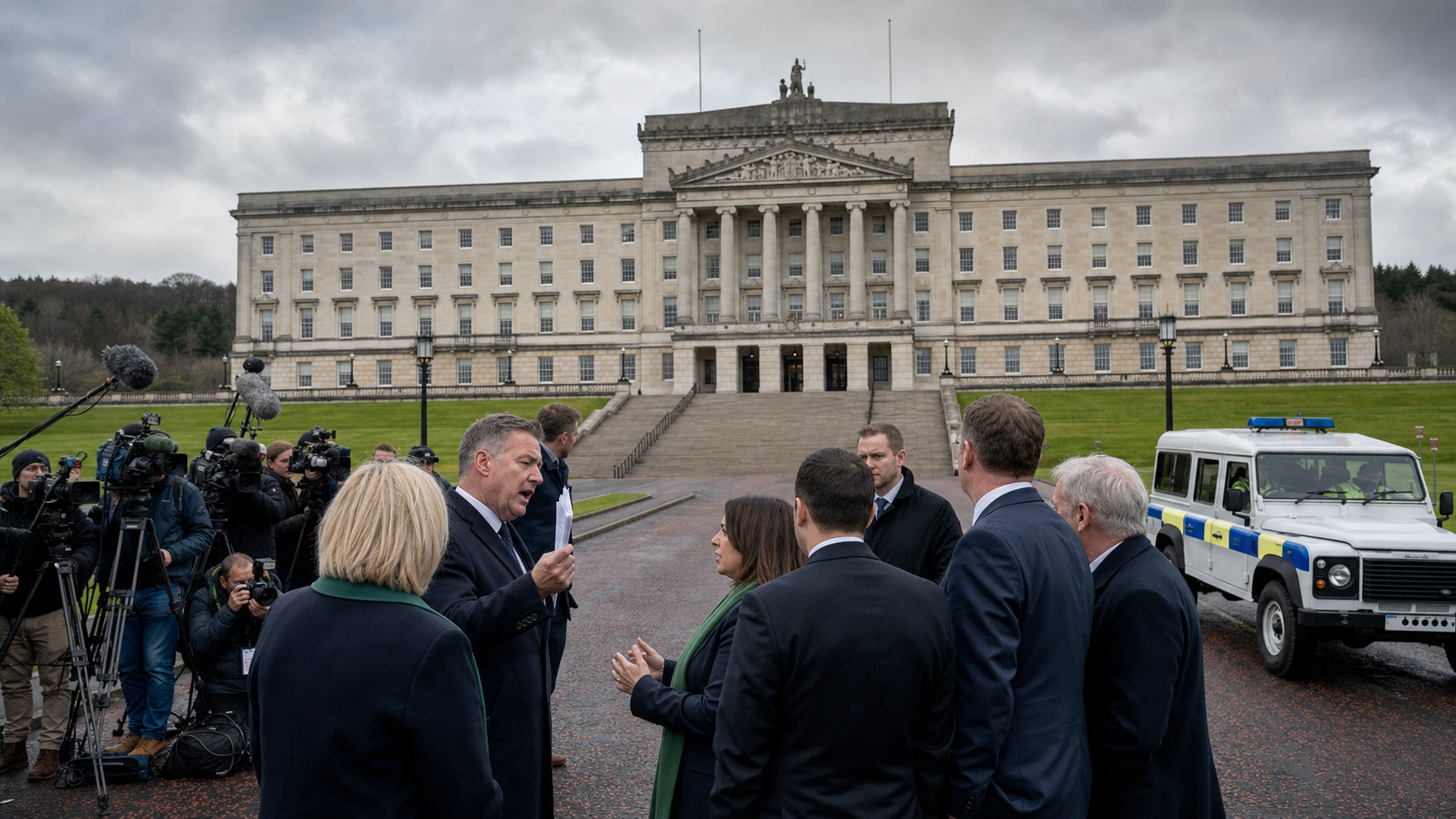
The political dynamics reflected in the poll have direct implications for communities across Ireland. In Dublin constituencies where Sinn Féin has been strongest — Dublin Bay North, Dublin Central, Dublin South Central — the party's continued popularity reflects the acute housing pressures and cost-of-living challenges facing working-class and lower-middle-class families. In rural constituencies, the picture is more mixed: Fianna Fáil retains strong support in many rural areas, but the party's ability to hold that support will depend on its capacity to deliver on infrastructure and services in the budget. In Northern Ireland, where Sinn Féin is the largest party at Stormont, the party's continued strength in the Republic reinforces its all-island political narrative.
What's Next
The next major opinion poll is expected in late September, after the Dáil has returned and the pre-budget debate has begun in earnest. Budget 2027 is scheduled for October 14. The government's pre-budget economic and fiscal outlook will be published in late September, setting out the fiscal space available for discretionary spending. Coalition negotiations on the specific measures to be included in the budget are expected to intensify over the coming weeks, with the final package likely to be agreed in the week before the budget announcement.