Sinn Féin Sets Dáil Term Priorities as Party Leads in Polls and Budget 2027 Debate Intensifies
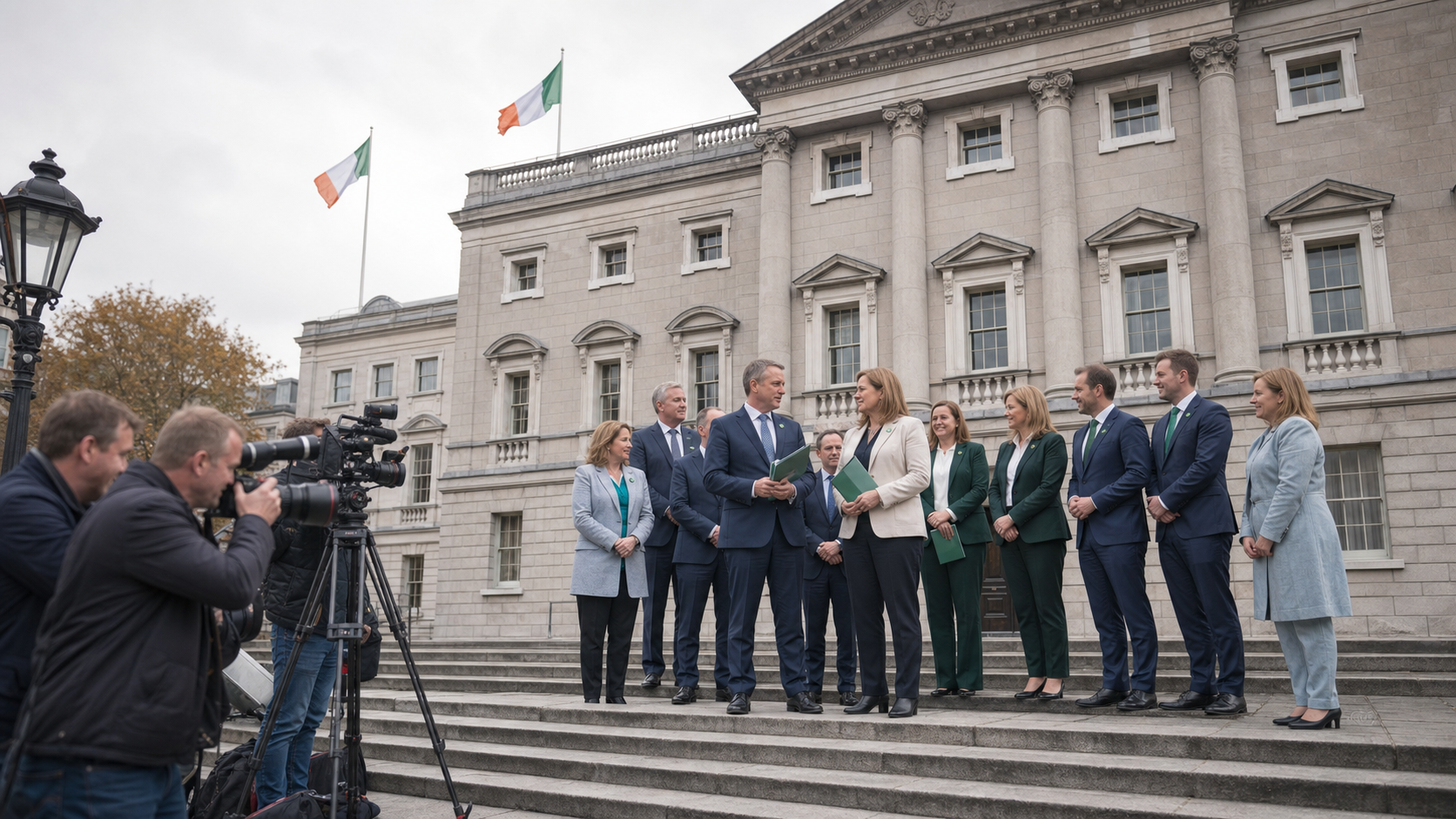
Sinn Féin's parliamentary team has convened in Dublin to finalise its priorities for the new Dáil term, with the party's TDs and senators focusing on housing, cost of living, and health waiting lists as the primary battlegrounds ahead of Budget 2027 — a gathering that comes as recent polling shows Sinn Féin ahead of Fine Gael as the most popular party in the state, and as the government signals a more cautious approach to spending than many voters had hoped for.
Background
The Dáil is not scheduled to resume its formal sitting until September 16, but Sinn Féin's decision to convene its parliamentary team in advance of the return reflects the party's determination to set the agenda for what promises to be a politically charged autumn. Budget 2027, scheduled for October 6, will be the defining political event of the season, and the battle lines between government and opposition are already being drawn.
Sinn Féin enters the new Dáil term in a position of relative strength. Recent polling has placed the party ahead of Fine Gael as the most popular party in the state, a reversal of the position that prevailed at the time of the last general election. The party's performance in opposition — particularly on housing, where it has consistently argued that the government's approach has been inadequate — has resonated with voters who are frustrated by the pace of progress on the issues that most directly affect their daily lives.
The government, for its part, has been signalling a more cautious approach to Budget 2027 than many had anticipated. Taoiseach Martin has indicated that universal energy credits are unlikely to be reintroduced, and Finance Minister Jack Chambers has downplayed expectations for significant tax giveaways, suggesting that income tax cuts will amount to "a few hundred euro" for most workers. This messaging has created an opening for Sinn Féin to position itself as the party that would do more for ordinary workers and families.
Key Developments
The Sinn Féin parliamentary team meeting focused on three primary areas: housing, where the party is calling for a significant increase in the delivery of social and affordable homes and a more aggressive approach to vacant property; cost of living, where it is demanding the retention of energy credits and a more substantial package of tax relief for low and middle-income earners; and health, where it is highlighting the continued growth in waiting lists and calling for a more ambitious timeline for the implementation of Sláintecare.
The party is also expected to focus on the government's handling of the citizenship reform proposals — which include an eight-year residency requirement, a language test, and a civics exam — arguing that these measures are unnecessarily restrictive and risk damaging Ireland's reputation as a welcoming country. Sinn Féin has been critical of what it characterises as a drift towards a more restrictive immigration policy under pressure from the far right.
On the economy, the party will point to the CSO's recent GDP data — which showed a rebound of over 10% in the second quarter of 2026 but was largely driven by multinational export activity rather than domestic demand — as evidence that the government's economic management is benefiting large corporations rather than ordinary workers and families.
Why It Matters
The Sinn Féin parliamentary team meeting matters because it signals the party's strategic intent for the most politically significant period of the current Dáil term. Budget 2027 will be the last major budget before the next general election, which must be held by March 2030 but could come sooner if the government's coalition arithmetic deteriorates. The party that wins the budget debate — in the sense of being seen by voters as best representing their interests — will be well-positioned for the election campaign that follows. Sinn Féin's current polling lead is not insurmountable for the government parties, but it reflects a genuine shift in public sentiment that the government will need to address through the budget if it is to recover ground. The party's focus on housing, cost of living, and health is well-calibrated to the issues that voters consistently identify as their primary concerns.
Local Impact
The political debate about Budget 2027 will have direct consequences for communities across Ireland. In Dublin, where housing costs are most acute, the question of how much the budget does to support renters and first-time buyers will be closely watched. In Cork, Galway, and Limerick, the cost of living pressures — particularly energy costs and childcare — are the dominant concerns. In rural Ireland, the focus is on the adequacy of public services, transport links, and support for farming communities. Sinn Féin's ability to articulate a coherent alternative to the government's approach across all of these areas will be a key test of its readiness to govern.
What's Next
The Dáil resumes on September 16, with the first major political confrontation of the new term expected to be the debate on the government's pre-budget economic statement, which is due to be published in the coming days. Budget 2027 itself is scheduled for October 6. Sinn Féin has indicated that it will publish its own alternative budget in advance of the government's announcement, setting out in detail how it would allocate resources differently. The party's performance in the budget debate will be a significant indicator of its readiness to present itself as a credible government-in-waiting.