Sinn Féin Irish Unity Bill Defeated in Dáil as Government Backs Shared Island Approach Over Citizens' Assembly Proposal
Sinn Féin's Dáil bill calling for a Citizens' Assembly to plan for Irish unity and requiring the government to publish a Green Paper on constitutional change within 18 months has been defeated in the Oireachtas, with the coalition government backing its existing Shared Island initiative as the appropriate framework for north-south engagement — while party leader Mary Lou McDonald insisted that reunification remains a matter of 'when, not if' and vowed to continue the legislative push.
Background
The question of Irish unity has been a central feature of political debate on the island since the signing of the Good Friday Agreement in 1998, which established the principle that a border poll on Irish unity could be called if the Secretary of State for Northern Ireland believed that a majority in Northern Ireland would vote in favour of unification. The Agreement also committed both governments to facilitating and giving effect to the outcome of any such poll.
Sinn Féin, which is the largest party in the Northern Ireland Assembly and the second-largest party in the Dáil, has been the most consistent advocate for Irish unity in both jurisdictions. The party's position is that the conditions for a border poll are approaching and that the Irish government has an obligation to begin planning for the possibility of unification, regardless of when a poll might be called. This position has been contested by the government parties — Fine Gael, Fianna Fáil, and the Green Party — who have argued that the focus should be on building relationships and cooperation between north and south through the Shared Island initiative rather than on constitutional planning that could be seen as pre-empting the outcome of a democratic vote.
The Shared Island initiative, launched by Taoiseach Micheál Martin in 2020, has funded a range of cross-border research, infrastructure, and community projects, and has been credited with generating a more substantive conversation about the practical dimensions of north-south cooperation. However, critics — including Sinn Féin — have argued that the initiative falls short of the kind of constitutional planning that is needed to prepare for the possibility of unification.
Key Developments
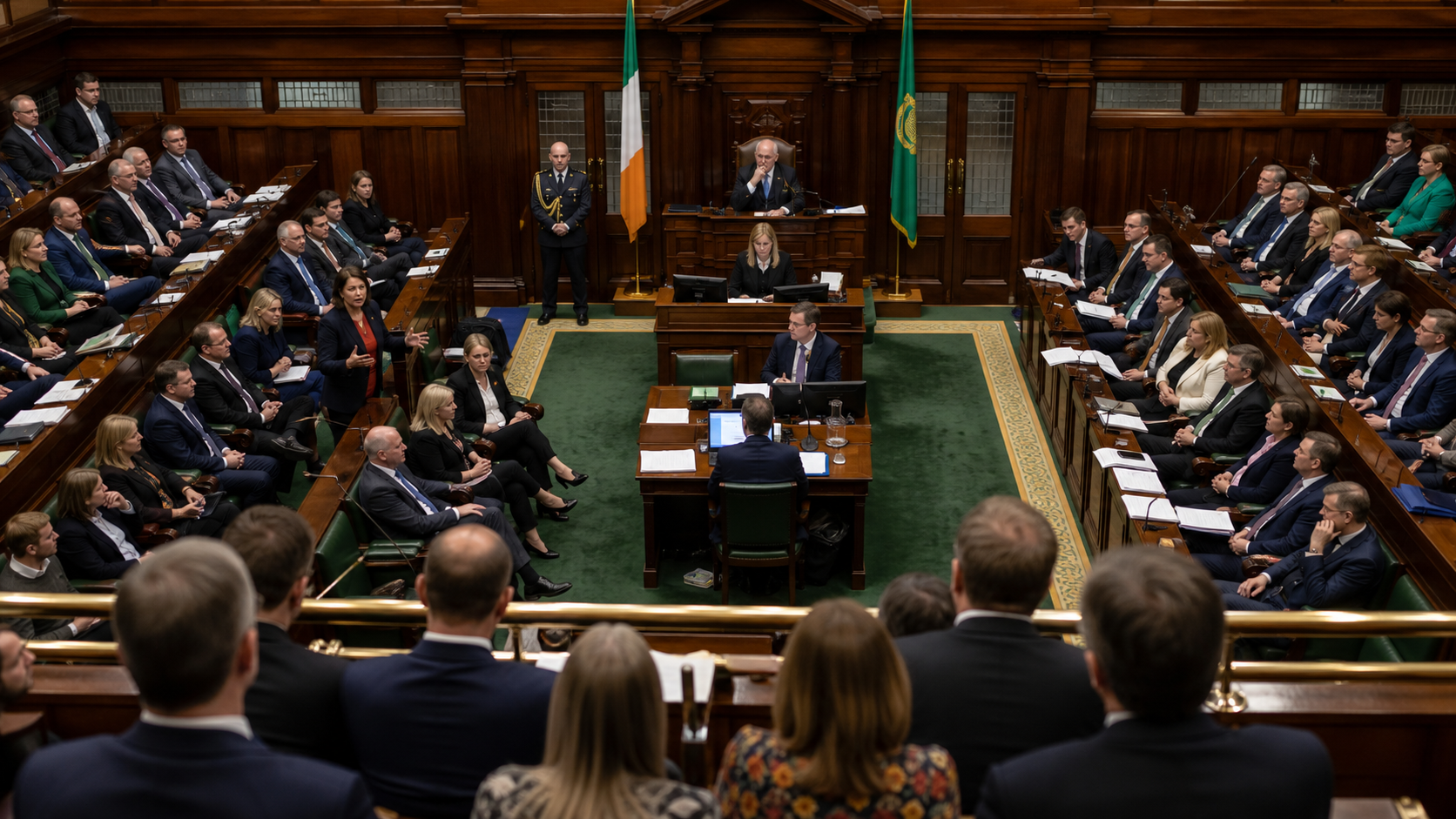
Sinn Féin introduced its Irish unity legislation in the Dáil in July 2026, calling for the establishment of a Citizens' Assembly to examine and plan for Irish unity, alongside a requirement for the government to publish a Green Paper on constitutional change within 18 months. The bill was brought forward by party leader Mary Lou McDonald, who argued that the process of reunification is a matter of "when, not if" and that the Irish government has a responsibility to begin the planning process now, rather than waiting for a border poll to be called.
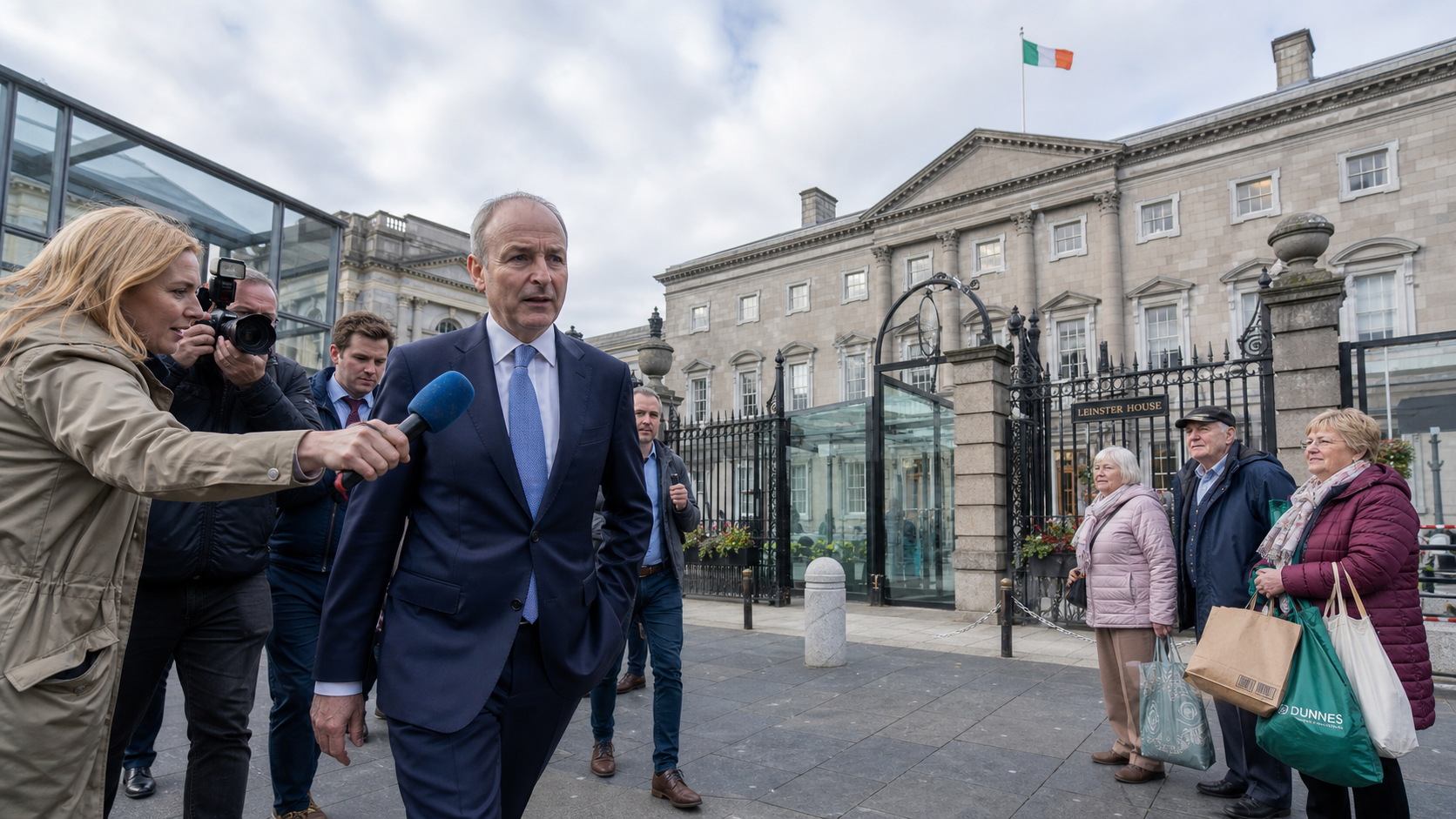
Northern Ireland's First Minister Michelle O'Neill visited Leinster House to support the legislative push, in a visible demonstration of the all-island nature of Sinn Féin's campaign for unity. O'Neill argued that the experience of governing in Northern Ireland had demonstrated the practical benefits of closer north-south cooperation and that the time had come for a more structured conversation about the constitutional future of the island.
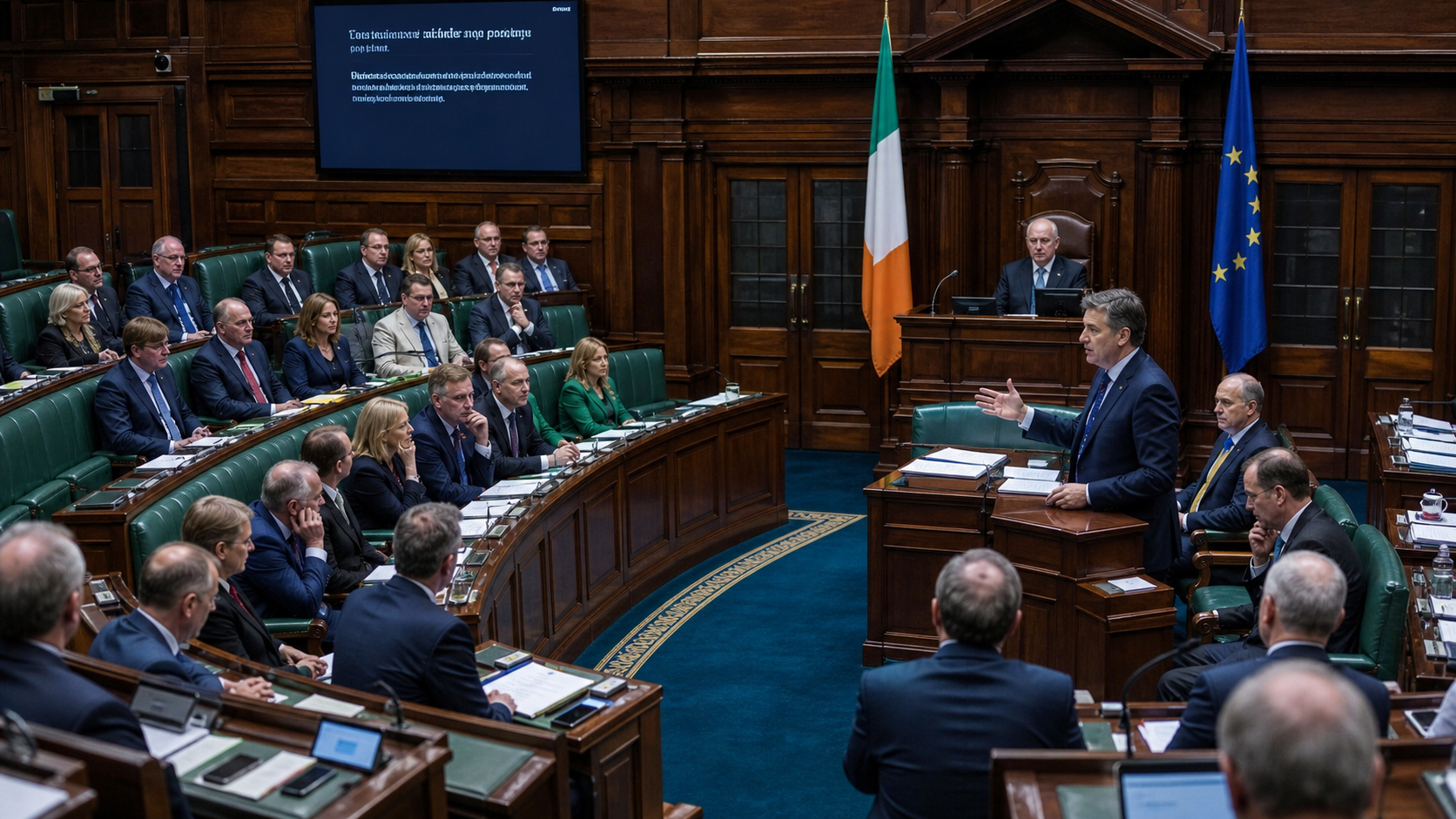
The government opposed the bill, with the Taoiseach arguing that the Shared Island initiative provides the appropriate framework for north-south engagement and that the introduction of a Citizens' Assembly on unity at this stage would be premature and potentially counterproductive. The bill was defeated following a vote in the Dáil, with the government parties and most independent TDs voting against it.
Why It Matters
The debate over Sinn Féin's unity bill matters because it reflects a fundamental disagreement about the pace and nature of the conversation about Irish unity that is appropriate at this moment in the island's history. The Good Friday Agreement created the conditions for a border poll, but it did not specify when such a poll should be called or what preparations should be made in advance. The question of how to manage the transition from the current constitutional arrangements to a potential united Ireland — if that is what the people of both jurisdictions choose — is one of the most complex and sensitive in Irish politics.
The defeat of the bill does not end the debate. Sinn Féin has indicated it will continue to press the government on the unity question, and the party's strong performance in recent opinion polls suggests that the issue will remain central to Irish political debate in the run-up to the next general election. The government's reliance on the Shared Island initiative as its primary response to the unity question will be tested by the growing pressure from Sinn Féin and from sections of civil society that believe more substantive planning is needed.
For context, opinion polls in the Republic of Ireland consistently show majority support for Irish unity in principle, though the level of support varies depending on how the question is framed and what conditions are attached. Support for unity in Northern Ireland is more complex, with polls showing a significant minority in favour but a majority — including many nationalists — who are not yet convinced that the time is right for a border poll.
Local Impact
The unity debate has different resonances in different parts of Ireland. In border counties such as Donegal, Cavan, Monaghan, Louth, and Leitrim, the practical dimensions of north-south cooperation are felt most directly, and the question of unity is often framed in terms of the economic and social benefits of closer integration rather than in purely constitutional terms. In Dublin and the other major cities of the Republic, the debate is more abstract but no less intense, with significant divisions between those who see unity as an urgent priority and those who believe the focus should be on addressing the Republic's own domestic challenges first.
In Northern Ireland, the unity debate is inevitably more charged, given the community divisions that have historically defined politics in the region. Unionist parties have consistently opposed any moves toward unity, while nationalist and republican parties have been equally consistent in their support. The Alliance Party, which has grown significantly in recent years by positioning itself as a cross-community alternative, has taken a more nuanced position, supporting the right of people to vote on unity while arguing that the focus should be on making Northern Ireland work better in the meantime.
What's Next
Sinn Féin has indicated it will bring forward further legislation on Irish unity in the coming months, and the party is expected to make the issue a central theme of its campaign for the next general election. The government is expected to publish an update on the Shared Island initiative in the autumn, setting out progress on the various projects and programmes it has funded. The Oireachtas Committee on the Implementation of the Good Friday Agreement is expected to hold hearings on the unity question in the coming months, with evidence from political parties, civil society organisations, and academic experts.