Sinn Féin Freezes £100 Million 'Belfast Stories' Project in Row Over BBC Partnership
A landmark deal between Belfast City Council and the BBC for a partnership in the new £100 million 'Belfast Stories' visitor attraction has been formally suspended after Sinn Féin successfully triggered a 'call-in' mechanism at the council, freezing the decision and forcing a legal review — a development that has plunged one of the most ambitious cultural regeneration projects in Belfast's recent history into significant uncertainty.
Background
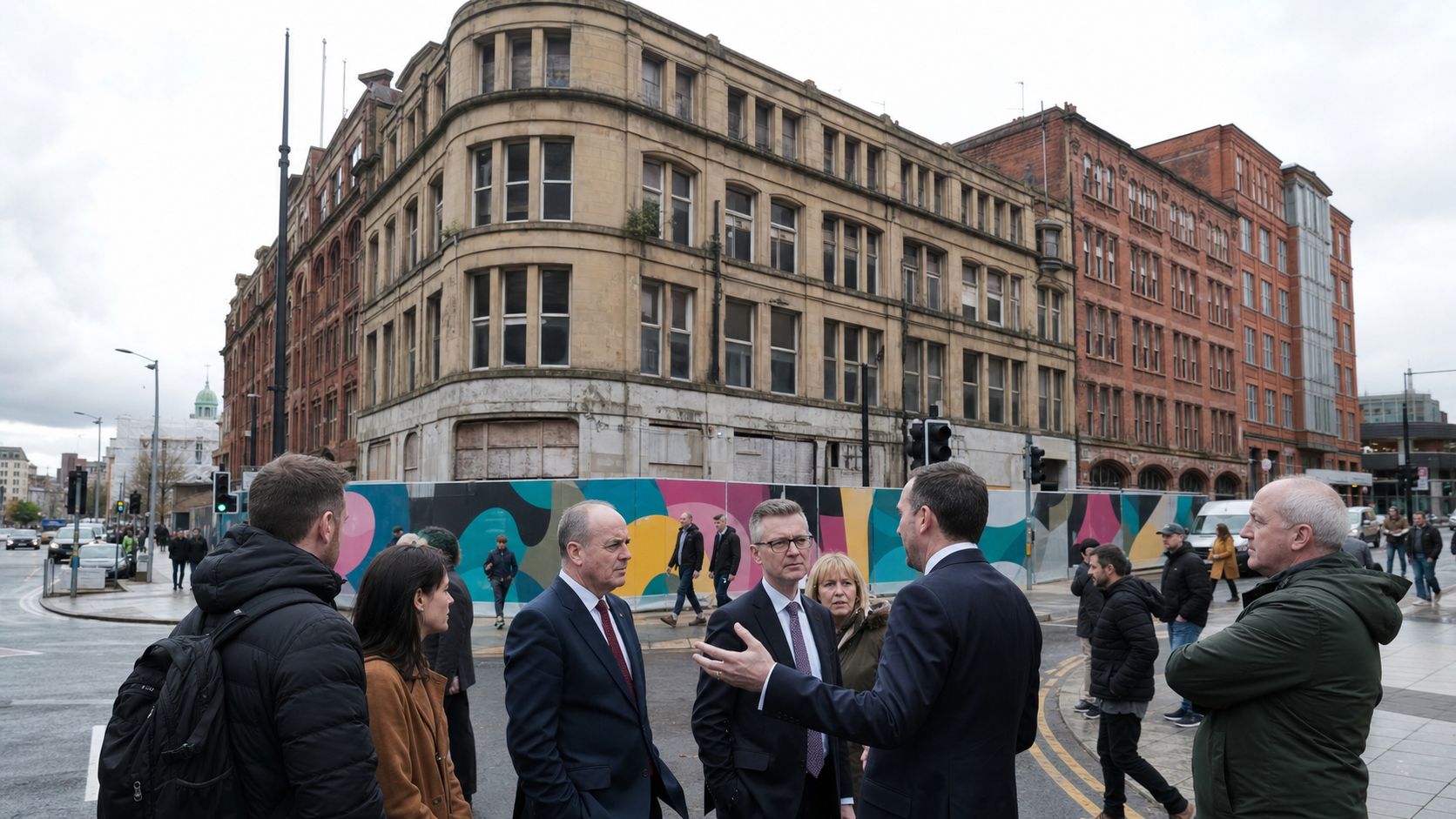
'Belfast Stories' is a flagship cultural and tourism project conceived to create a world-class visitor attraction in the heart of Belfast city centre, telling the stories of the city and its people across the centuries. The project, which has been in development for several years, is centred on the former Bank of Ireland building on Royal Avenue, a prominent Victorian-era structure in the heart of the city's retail and cultural district. With a projected cost of £100 million, it represents one of the most significant cultural infrastructure investments in Belfast since the opening of the Titanic Belfast museum in 2012.
The project has attracted considerable political and civic support, with proponents arguing that it will serve as a major driver of tourism, create significant employment, and provide Belfast with a cultural anchor comparable to the great visitor attractions of Edinburgh, Dublin, and other European cities. The involvement of the BBC — Northern Ireland's most prominent public broadcaster — was seen by supporters as lending the project both credibility and a guaranteed platform for promotion and content creation.
However, the BBC's proposed role has been a source of controversy from the outset. Critics have questioned whether it is appropriate for a state broadcaster, funded by the licence fee, to have a financial stake and physical presence in a commercial visitor attraction. For Sinn Féin, the objections run deeper, touching on long-standing tensions about the BBC's relationship with nationalist and republican communities in Northern Ireland and its perceived cultural and political orientation.
Key Developments
The council vote to approve the BBC partnership passed with the support of the DUP, Alliance Party, and SDLP, with Sinn Féin in opposition. Following the vote, Sinn Féin invoked the 'call-in' mechanism available under council procedures, which allows a specified number of councillors to trigger a review of a decision on grounds of alleged procedural irregularity or failure to comply with the council's equality and good relations obligations. The mechanism has the effect of freezing the decision pending the outcome of the review.
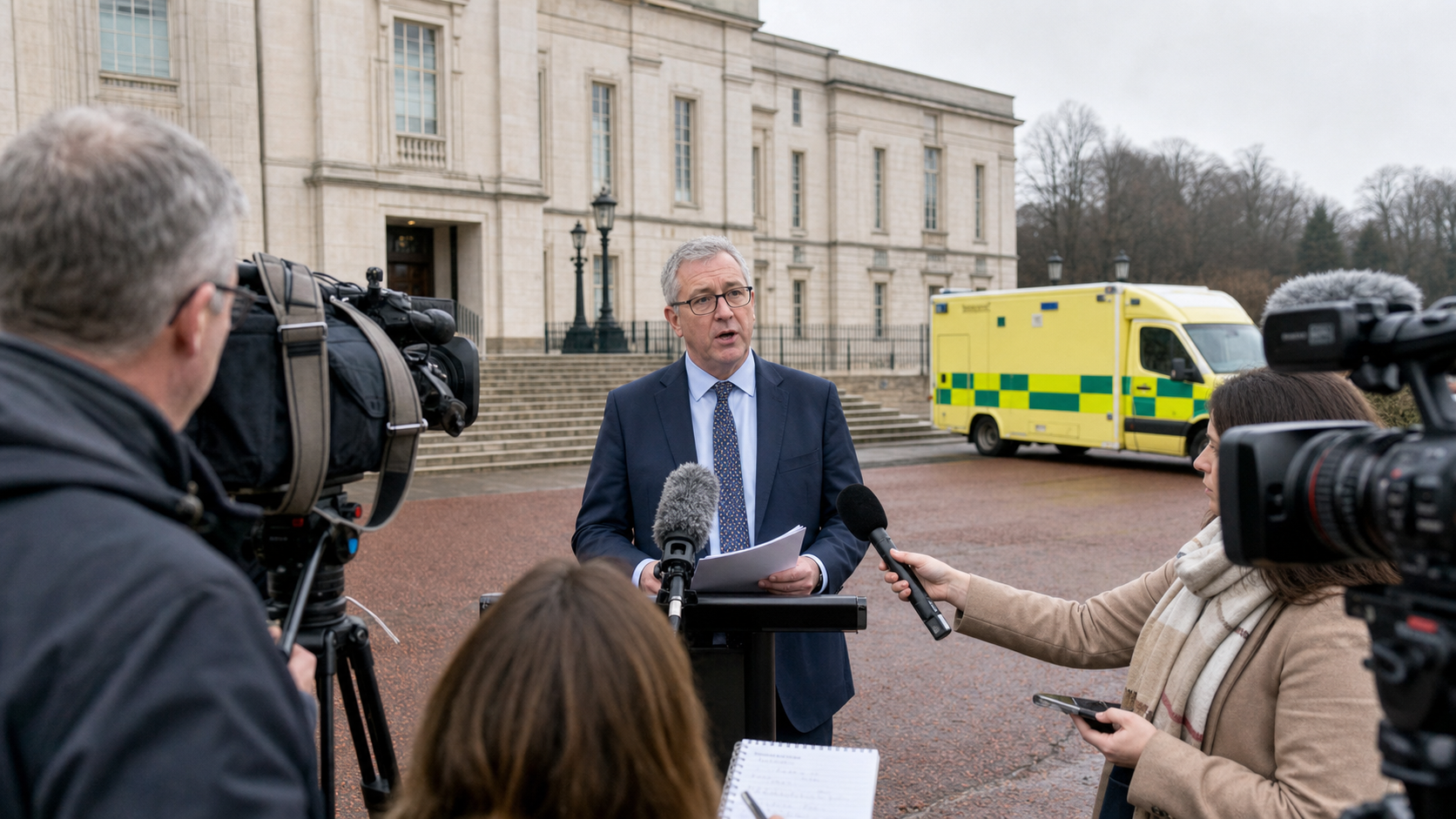
Sinn Féin councillors cited 'serious concerns about transparency, fairness and governance' in their call-in application, arguing that the procurement process for the BBC partnership had not been sufficiently open and competitive. The party also raised questions about whether the involvement of a state broadcaster was consistent with the project's stated aim of telling the stories of all Belfast's communities in an inclusive and representative way.
DUP Councillor Sarah Bunting responded sharply, accusing Sinn Féin of ideological opposition to the BBC and suggesting the party would have supported the deal had it involved RTÉ, the Irish national broadcaster, rather than the BBC. Alliance Party representatives expressed frustration at the delay, arguing that the call-in would cost the project months of momentum and potentially jeopardise funding commitments. The BBC itself declined to comment on the internal council dispute.
Why It Matters
The 'Belfast Stories' dispute illustrates the persistent difficulty of delivering major civic projects in a city where political divisions continue to shape decision-making at every level. The call-in mechanism, designed as a safeguard against procedural irregularity, has in this instance become a vehicle for a political dispute that goes well beyond questions of governance. This is not unique to Belfast — similar dynamics play out in divided societies around the world, where cultural projects inevitably become contested terrain. What makes the Belfast case particularly significant is the scale of the project and the opportunity cost of delay. Belfast's city centre has undergone remarkable transformation in recent decades, but it continues to face challenges of footfall, retail vacancy, and competition from out-of-town developments. A flagship cultural attraction of the scale envisaged by 'Belfast Stories' could make a material difference to the city's economic and cultural vitality.
Local Impact
The immediate impact of the call-in is felt most acutely in the Royal Avenue area of Belfast city centre, where the former Bank of Ireland building sits vacant, awaiting the commencement of the 'Belfast Stories' development. Local businesses in the surrounding streets — including the Cathedral Quarter and the Castlecourt shopping area — had been anticipating the economic boost that a major new visitor attraction would bring. For the creative and cultural sector in Belfast, the delay is a source of frustration, with many practitioners having hoped that 'Belfast Stories' would provide new opportunities for commissioning, employment, and collaboration. The project's workforce development commitments, which included significant investment in local talent, are now on hold pending the outcome of the review.
What's Next
The call-in review will be conducted by a panel of independent assessors, who will examine whether the council's decision-making process complied with all relevant legal and procedural requirements. The review is expected to take several months, with a report due by the end of 2026. If the review finds no procedural irregularity, the original decision will stand and the project can proceed. If irregularities are identified, the council will be required to reconsider the decision, potentially reopening the procurement process. Either outcome is likely to result in significant delays to the project's timeline, with the original target of opening in 2028 now looking increasingly optimistic.