Northern Ireland Health Minister Announces £80 Million Investment to Tackle Record Waiting Lists
Northern Ireland's Health Minister Mike Nesbitt has announced a major £80 million investment package for the 2026/27 financial year, targeting the region's record-breaking hospital waiting lists — which currently see over 500,000 patients awaiting a first consultant-led outpatient appointment — with new elective care capacity at three key hospitals and targeted funding for mental health, cancer, and diagnostic services.
Background
Northern Ireland holds the deeply unwelcome distinction of having the longest hospital waiting lists in the United Kingdom, a crisis that has been building for decades and has accelerated sharply in the aftermath of the Covid-19 pandemic. The scale of the problem is staggering: as of mid-2026, more than 500,000 patients are on a waiting list for a first consultant-led outpatient appointment, with more than half of them having already waited longer than a year. Research from the Nuffield Trust and other health policy bodies has found that a resident of Northern Ireland is approximately 3.2 times more likely to be on a hospital waiting list than a resident of the Republic of Ireland — a disparity that reflects decades of chronic underfunding and structural dysfunction in the region's health system.
The roots of the crisis lie in a combination of factors: persistent underfunding relative to need, a fragmented health and social care structure that has resisted reform, the impact of repeated Stormont Executive collapses on long-term planning, and the particular challenges of delivering healthcare to a dispersed rural population across a relatively small region. The pandemic exacerbated all of these pre-existing pressures, adding hundreds of thousands of patients to lists that were already at breaking point.
Health Minister Mike Nesbitt, who took office following the restoration of the Stormont Executive in 2024, has made tackling the waiting list crisis a central priority of his tenure. His approach has focused on expanding dedicated elective care capacity — facilities specifically designed to deliver planned procedures efficiently, without the disruption caused by emergency admissions — modelled on the success of the elective care hub at Belfast's Mater Hospital, which has successfully eliminated waits of over four years for certain procedures.
Key Developments
The £80 million package announced this week will be ring-fenced for elective care expansion in the 2026/27 financial year. The centrepiece of the investment is the expansion of general surgery capacity at three hospitals: Causeway Hospital in Coleraine, serving the north coast and mid-Ulster; Daisy Hill Hospital in Newry, serving South Down and South Armagh; and the South West Acute Hospital in Enniskillen, serving County Fermanagh and the wider west of the region. These hospitals were selected because they serve areas with significant unmet need and have the physical capacity to accommodate additional elective activity.
Beyond general surgery, the funding will be directed towards diagnostic imaging — where backlogs in MRI, CT, and ultrasound scanning are creating bottlenecks throughout the system — cancer services, robotic surgery, and ophthalmology. The plan also includes specific provisions to address backlogs in Adult Mental Health and Child and Adolescent Mental Health Services, acknowledging that the mental health waiting list crisis is as severe as the physical health backlog and requires dedicated investment.
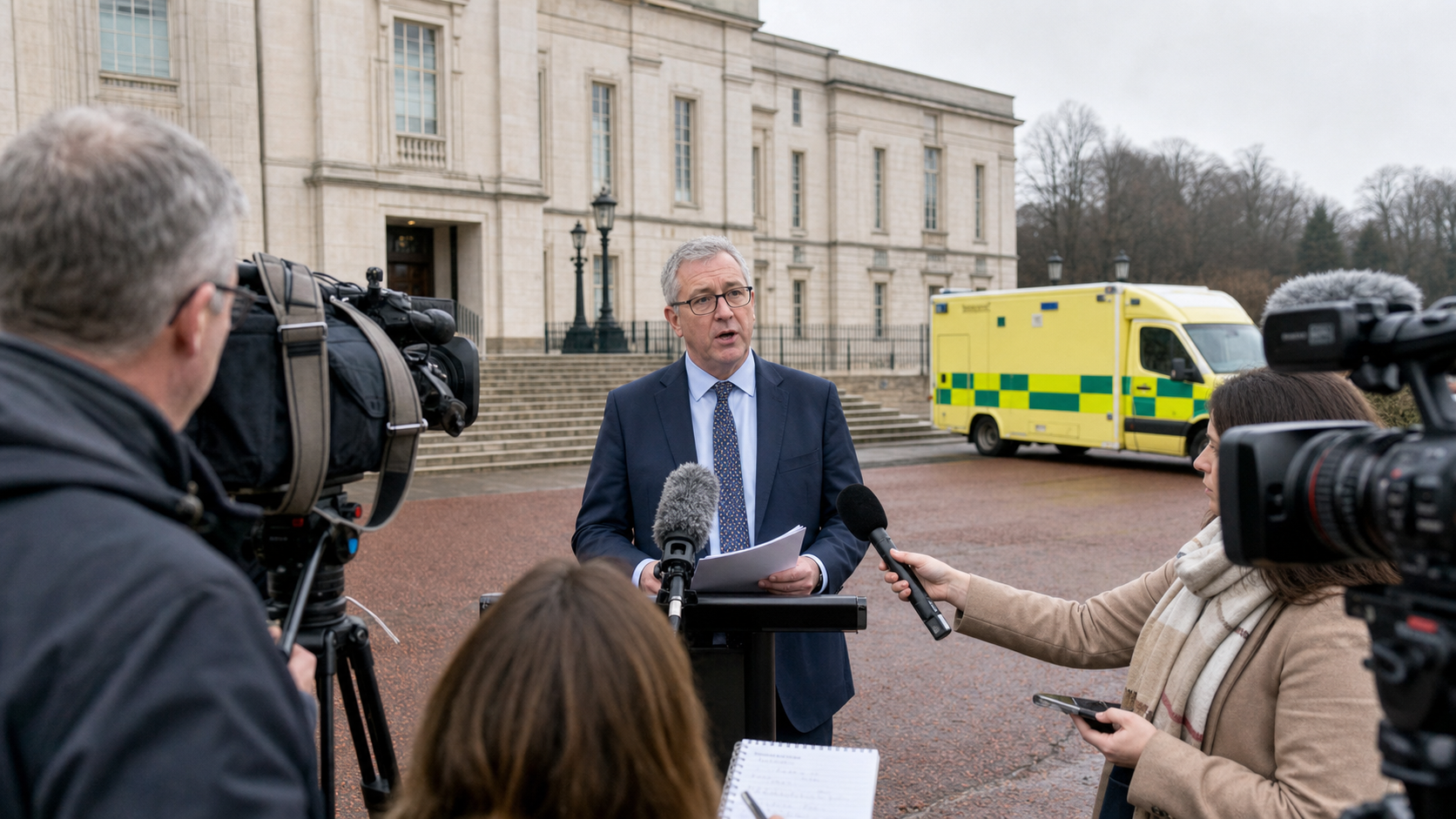
Minister Nesbitt described the investment as 'a significant step forward' but was careful to manage expectations, acknowledging that the scale of the challenge means that meaningful improvement will take years rather than months. He called on the UK government to provide sustained multi-year funding commitments to allow for the long-term planning that genuine system reform requires.
Why It Matters
The £80 million investment is the largest single-year commitment to elective care expansion in Northern Ireland's recent history, and its significance should not be understated. For the hundreds of thousands of patients currently on waiting lists — many of them in pain, unable to work, and experiencing significant deterioration in their quality of life — the prospect of faster access to treatment is genuinely life-changing. The focus on hospitals outside Belfast is particularly important, addressing a longstanding concern that investment in the health system has been disproportionately concentrated in the capital at the expense of rural and regional communities. Causeway, Daisy Hill, and the South West Acute Hospital serve some of the most deprived and geographically isolated communities in Northern Ireland, where the consequences of long waits are often most severe.
Local Impact
The impact of the investment will be felt most directly by patients in the catchment areas of the three hospitals receiving expanded capacity. For residents of the Coleraine and Causeway Coast area, the expansion at Causeway Hospital means that procedures previously requiring a journey to Belfast or Antrim may become available locally, reducing the burden on patients and their families. In Newry, the expansion at Daisy Hill will benefit communities across South Down and South Armagh, including some of the most deprived wards in Northern Ireland. In Fermanagh, the South West Acute Hospital expansion addresses a longstanding concern about the adequacy of healthcare provision in the west of the region, where distance from major centres has historically meant longer waits and poorer outcomes. The mental health component of the investment will be welcomed by advocacy organisations across Northern Ireland, which have been calling for ring-fenced mental health funding for years.
What's Next
The Department of Health will publish a detailed implementation plan for the £80 million investment in the coming weeks, setting out specific targets for waiting list reduction at each of the three hospitals and across the other funded service areas. Progress will be monitored quarterly, with reports published on the department's website. The Health Minister has indicated he will seek a further multi-year funding commitment from the UK government in the context of the Stormont Executive's ongoing budget negotiations. A comprehensive review of the Northern Ireland health system's long-term funding needs is expected to be published by the end of 2026, providing the evidence base for future investment decisions.