PSNI Security Alert Disrupts North Belfast as Ammunition Technical Officers Called to Cliftonville Road
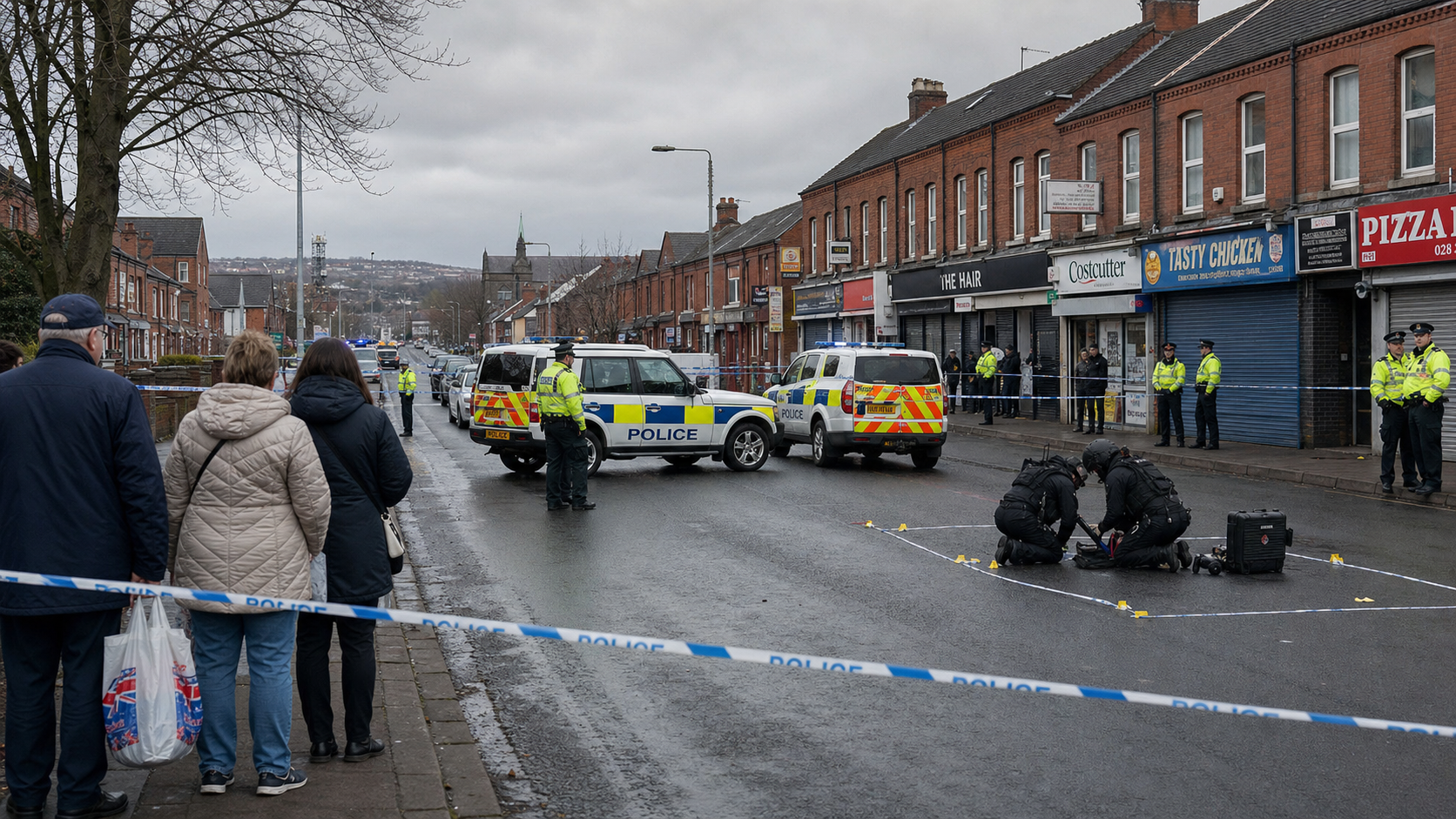
A security alert on the Cliftonville Road in North Belfast required the attendance of Ammunition Technical Officers on Saturday, causing significant disruption to residents and businesses in the area as the PSNI cordoned off a section of one of the city's busiest arterial routes while personnel examined a suspicious object — the latest in a series of security incidents that have maintained pressure on police resources in the north of the city.
Background
The Cliftonville Road is one of North Belfast's principal thoroughfares, running from the city centre northwards through the Cliftonville and Oldpark areas before connecting with the Antrim Road. The road passes through a complex patchwork of communities, with nationalist and unionist areas in close proximity, and has historically been a flashpoint for sectarian tension and security incidents. The area around the Cliftonville Road and the adjacent Ardoyne district has been the scene of significant disorder in recent years, including the annual flashpoint at the Twelfth of July parades.
Security alerts requiring the attendance of Ammunition Technical Officers — the specialist army personnel responsible for examining and neutralising suspected explosive devices — remain a feature of life in Northern Ireland, though their frequency has declined significantly since the height of the Troubles. The PSNI responds to dozens of such alerts each year, the majority of which turn out to involve hoax devices or objects that prove to be harmless. However, each alert must be treated as potentially genuine until ATO personnel have completed their examination, requiring the deployment of significant police resources and the disruption of normal life in the affected area.
North Belfast has experienced a heightened level of security activity in recent weeks, with the PSNI dealing with a range of incidents including the aftermath of disorder associated with the Twelfth of July period and ongoing tensions in interface areas. The force received £4 million in emergency funding earlier this month following riots in the area, though senior officers have warned that this does not address the structural deficit in the PSNI's budget.
Key Developments
The alert on Saturday began in the mid-morning when the PSNI received a report of a suspicious object on the Cliftonville Road. Officers established a cordon, closing the road to traffic and requiring a number of nearby residents to leave their homes as a precautionary measure. ATO personnel from the British Army's specialist unit were called to the scene and conducted a detailed examination of the object.
The alert lasted several hours, during which time traffic in the surrounding area was significantly disrupted, with diversions in place affecting routes through the Oldpark, Cliftonville, and New Lodge areas. Local businesses on the Cliftonville Road reported a difficult morning, with the closure preventing customers from accessing their premises during what would normally be a busy Saturday trading period.
Following the completion of the ATO examination, the PSNI declared the area safe and lifted the cordon, allowing residents to return to their homes and traffic to resume. The force confirmed that the object had been examined and dealt with, but did not provide further details about its nature. A PSNI spokesperson thanked residents for their patience and cooperation during the alert.
Why It Matters
Security alerts of this kind, while individually manageable, have a cumulative effect on communities in North Belfast that is difficult to overstate. Each alert disrupts daily life, generates anxiety, and serves as a reminder of the unresolved tensions that continue to simmer beneath the surface of Northern Ireland's post-conflict society. For residents of the Cliftonville Road area, many of whom have lived through decades of far more severe security disruption, the alerts are a familiar if unwelcome feature of life. The frequency of security incidents in North Belfast in recent weeks has raised questions about the adequacy of PSNI resources in the area and the effectiveness of community engagement strategies in preventing the escalation of tensions. The force's emergency funding of £4 million, while welcome, has been described by senior officers as insufficient to address the underlying structural pressures on policing in the region.
Local Impact
The Cliftonville Road and its surrounding streets — including the Oldpark Road, the Antrim Road, and the New Lodge estate — are home to a diverse mix of communities, including long-established nationalist and unionist residents as well as a growing number of newcomers from Eastern Europe and further afield. For all of these communities, security alerts represent a disruption to the rhythms of daily life that has real economic and social costs. Local businesses on the Cliftonville Road, many of them small independent retailers and service providers, are particularly vulnerable to the impact of road closures and reduced footfall. Community organisations in the area have called for greater investment in conflict prevention and community relations work as a means of reducing the frequency of security incidents and building the social resilience needed to manage them when they do occur.
What's Next
The PSNI has indicated that its investigation into the circumstances of the alert is ongoing. The force will assess whether the incident is connected to any of the other security-related activity in North Belfast in recent weeks. Community representatives in the Cliftonville and Oldpark areas have requested a meeting with senior PSNI officers to discuss the pattern of security incidents and the impact on local communities. The PSNI's North Belfast district commander is expected to engage with community groups in the coming days. The broader question of PSNI funding and resources will be addressed in the context of the Stormont Executive's budget negotiations, which are expected to conclude in the autumn.