Northern Ireland's Longest Heatwave in 50 Years Continues as Temperatures Reach 28°C in Western Counties
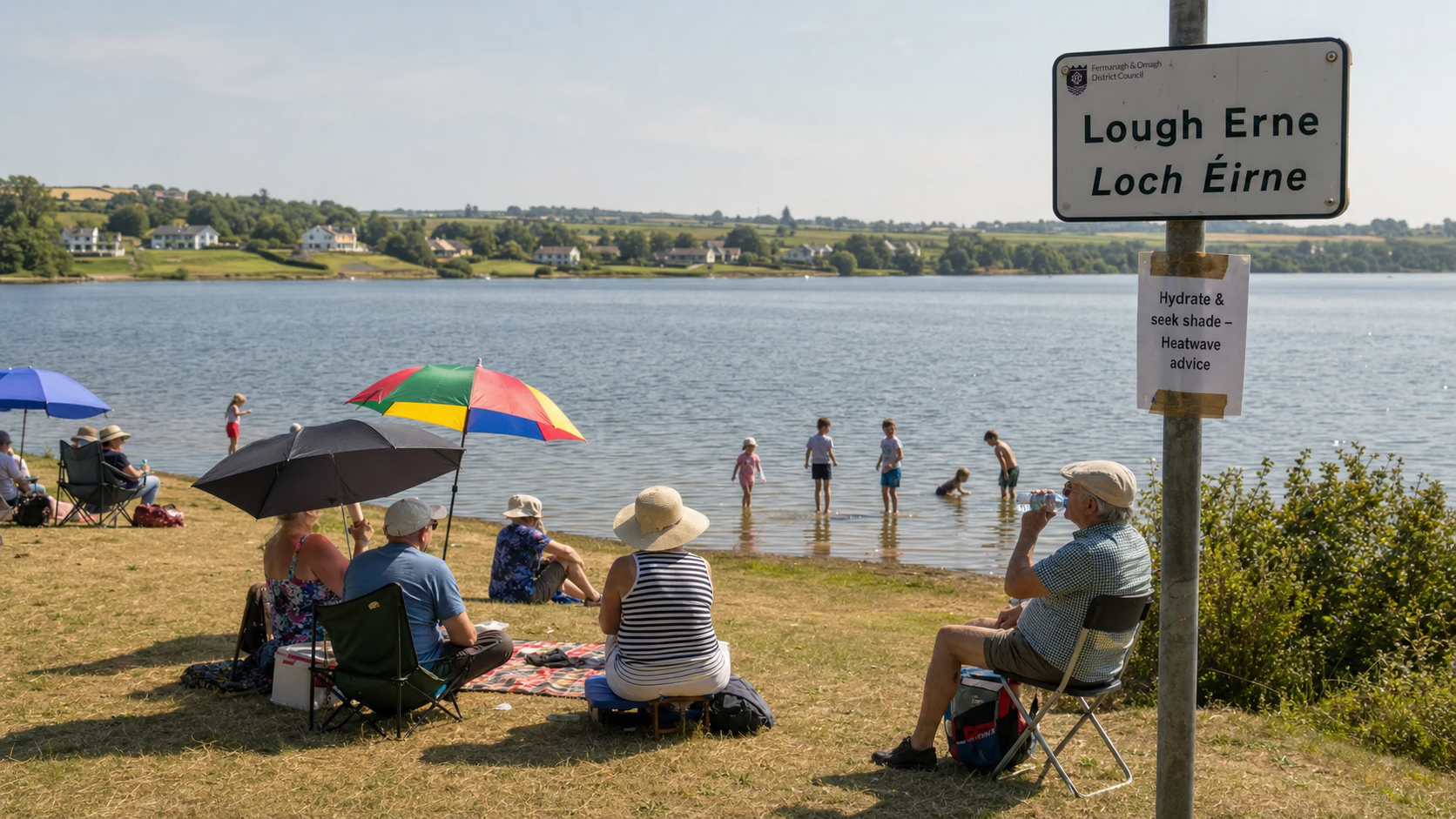
Northern Ireland is experiencing its longest sustained heatwave in half a century, with a five-day spell of exceptional heat recorded as of Saturday, temperatures reaching 27-28°C in western counties including Fermanagh and Tyrone, and public health authorities issuing urgent advisories for vulnerable groups as the region bakes in conditions not seen since the summer of 1976.
Background
Northern Ireland's climate is typically characterised by mild, wet conditions, with average July temperatures in the low-to-mid teens Celsius and frequent rainfall throughout the summer months. Extended periods of high heat are historically rare, making the current heatwave a genuinely exceptional meteorological event. The last comparable sustained heatwave in the region occurred in the summer of 1976, a year that has become embedded in collective memory as a benchmark for extreme summer weather in the British Isles.
The current heatwave is part of a broader pattern of elevated temperatures affecting much of Ireland and Britain, driven by a persistent high-pressure system that has blocked the usual westerly weather patterns bringing cooler, wetter air from the Atlantic. Met Éireann and the UK Met Office have both been monitoring the situation closely, with the latter having issued heat health alerts for Northern Ireland in the days preceding the current spell.
Climate scientists have noted that events of this kind are becoming more frequent and more intense as a result of human-caused climate change, with the probability of extreme heat events in the British Isles having increased significantly over the past three decades. Northern Ireland's infrastructure — from housing stock to public transport to healthcare facilities — was largely designed for a cooler climate and is poorly adapted to sustained high temperatures.
Key Developments
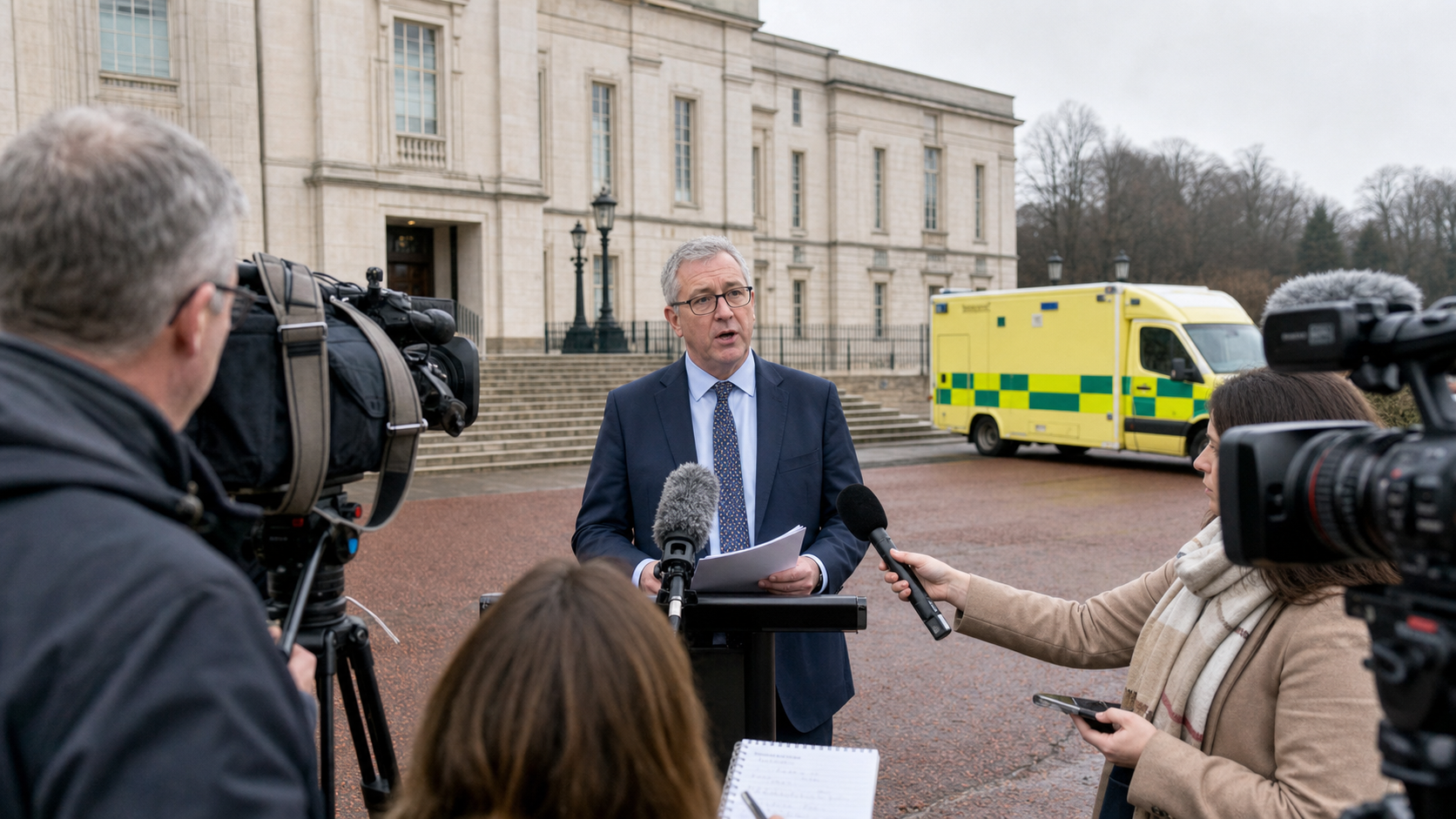
The Public Health Agency of Northern Ireland issued updated guidance on Saturday, urging residents to check on elderly neighbours, keep homes cool during the hottest part of the day, and stay hydrated. Particular concern has been expressed for residents of older housing stock in areas such as North and West Belfast, where many homes lack adequate ventilation and where a significant proportion of the population is elderly or has underlying health conditions.
Workers' rights organisations have used the heatwave to renew calls for the introduction of a legal maximum workplace temperature in Northern Ireland. Unlike many European countries, the United Kingdom has no statutory upper limit on workplace temperatures, relying instead on a general duty of care requirement that employers maintain a 'reasonable' working environment. Trade unions representing workers in warehouses, factories, and outdoor settings have argued that this is insufficient protection during extreme heat events.
The prolonged dry weather has also raised concerns among farmers, particularly dairy producers in counties Fermanagh and Tyrone, who reported earlier in the week that the lack of rainfall was affecting grass growth and forcing them to draw on winter fodder reserves. Water levels in rivers and reservoirs across the region have fallen noticeably, prompting the Northern Ireland Water authority to issue conservation guidance.
Why It Matters
The 2026 heatwave is a vivid illustration of the real-world consequences of climate change for Northern Ireland, a region that has historically been insulated from the most severe effects of extreme heat by its northerly latitude and maritime climate. The fact that this is the longest heatwave in 50 years is significant — it suggests that what was once a once-in-a-generation event may be becoming a more regular occurrence. This has profound implications for public health policy, housing standards, workplace regulation, and agricultural planning. Northern Ireland's health system, already under severe strain from record waiting lists and workforce shortages, is particularly vulnerable to the additional demand that extreme heat generates, with heat-related illness disproportionately affecting the elderly, the very young, and those with chronic conditions. The heatwave also underscores the urgency of the climate adaptation agenda, which has received less political attention in Northern Ireland than in the Republic, where the Climate Action Plan has driven significant policy change.
Local Impact
The impact of the heatwave is being felt differently across Northern Ireland's communities. In Belfast, the urban heat island effect — whereby built-up areas retain heat more intensely than surrounding countryside — has made conditions particularly uncomfortable in densely populated inner-city areas such as the Falls Road, Shankill Road, and East Belfast. Community centres and libraries in these areas have been informally designated as cool spaces for residents seeking relief from the heat. In rural Fermanagh and Tyrone, the agricultural impact is the primary concern, with farmers monitoring soil moisture levels and river flows carefully. The tourism sector, by contrast, has benefited from the exceptional weather, with visitor numbers at outdoor attractions including the Marble Arch Caves and the Fermanagh Lakelands significantly above seasonal norms.
What's Next
Meteorologists forecast a gradual easing of the heatwave conditions from early next week, with the arrival of a weather front from the Atlantic expected to bring cooler temperatures and some rainfall to Northern Ireland by Tuesday or Wednesday. However, forecasters caution that further periods of elevated temperatures are possible before the end of the summer. The Public Health Agency has indicated it will maintain its heat health advisory until temperatures return to seasonal norms. The Department of Agriculture, Environment and Rural Affairs is monitoring the impact on water resources and will consider whether additional conservation measures are required if the dry spell continues beyond the current forecast period.