Sinn Féin's Constitutional Change Bill Defeated as Government Rejects 'Arbitrary Timelines' for Unity
Sinn Féin's Planning for Constitutional Change Bill has been defeated in the Dáil following formal government opposition to legislation that would have required the state to establish a Citizens' Assembly on Irish unity and publish a Green Paper on constitutional change within 18 months. Taoiseach Micheál Martin described the bill as not credible, arguing that the process of preparing for potential constitutional change requires long-term partnership and consent rather than legislated deadlines imposed by one party in the Oireachtas.
Background
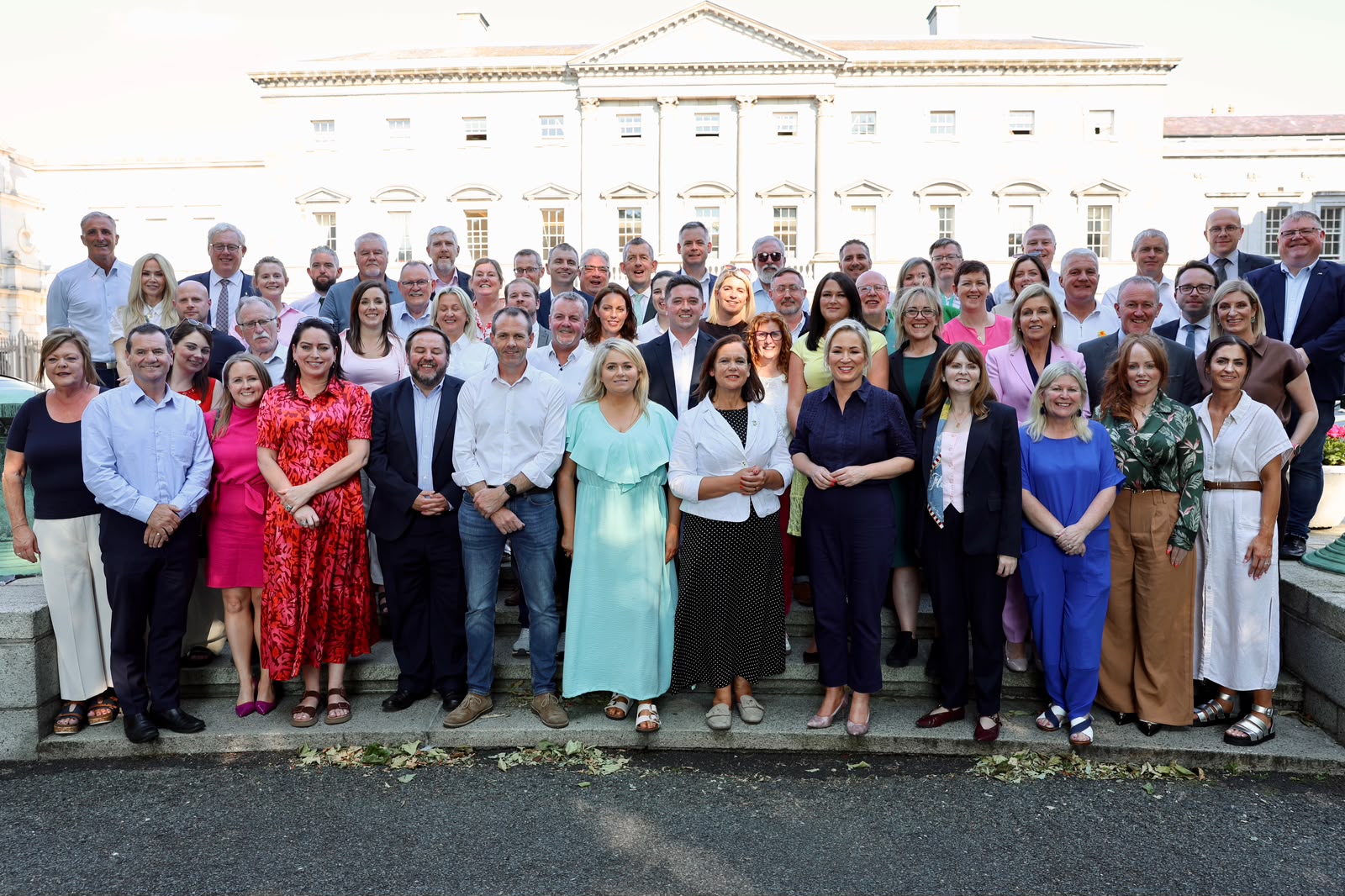
Sinn Féin has been pressing for formal government preparations for a potential border poll since the party's strong performance in the 2020 general election transformed it from an opposition force into the largest party in the Dáil. The party's argument is straightforward: the Good Friday Agreement provides for a referendum on Irish unity if the Secretary of State for Northern Ireland believes a majority would vote for it, and the Irish government has a responsibility to ensure that such a referendum, if called, would be held in conditions of adequate preparation rather than improvisation.
The Planning for Constitutional Change Bill was the most concrete legislative expression of that argument. It sought to compel the government to take two specific steps within 18 months: establish a Citizens' Assembly to examine the implications of Irish unity, and publish a Green Paper setting out the government's analysis of the constitutional, economic, and social dimensions of potential change. Both measures are modelled on precedents from other constitutional processes — the Citizens' Assembly model was used successfully in Ireland for the abortion and marriage equality referendums — and Sinn Féin argued that they represented a proportionate and responsible response to the changed political landscape.
The government's opposition was rooted in a different analysis of what responsible preparation looks like. Martin and his coalition partners argued that the 18-month timeline was arbitrary, that a Citizens' Assembly established by legislation rather than by consensus would lack the legitimacy needed to shape a genuine national conversation, and that the bill's framing — which assumed that unity was the desired outcome — was incompatible with the Good Friday Agreement's requirement for consent from both communities in Northern Ireland.
Key Developments
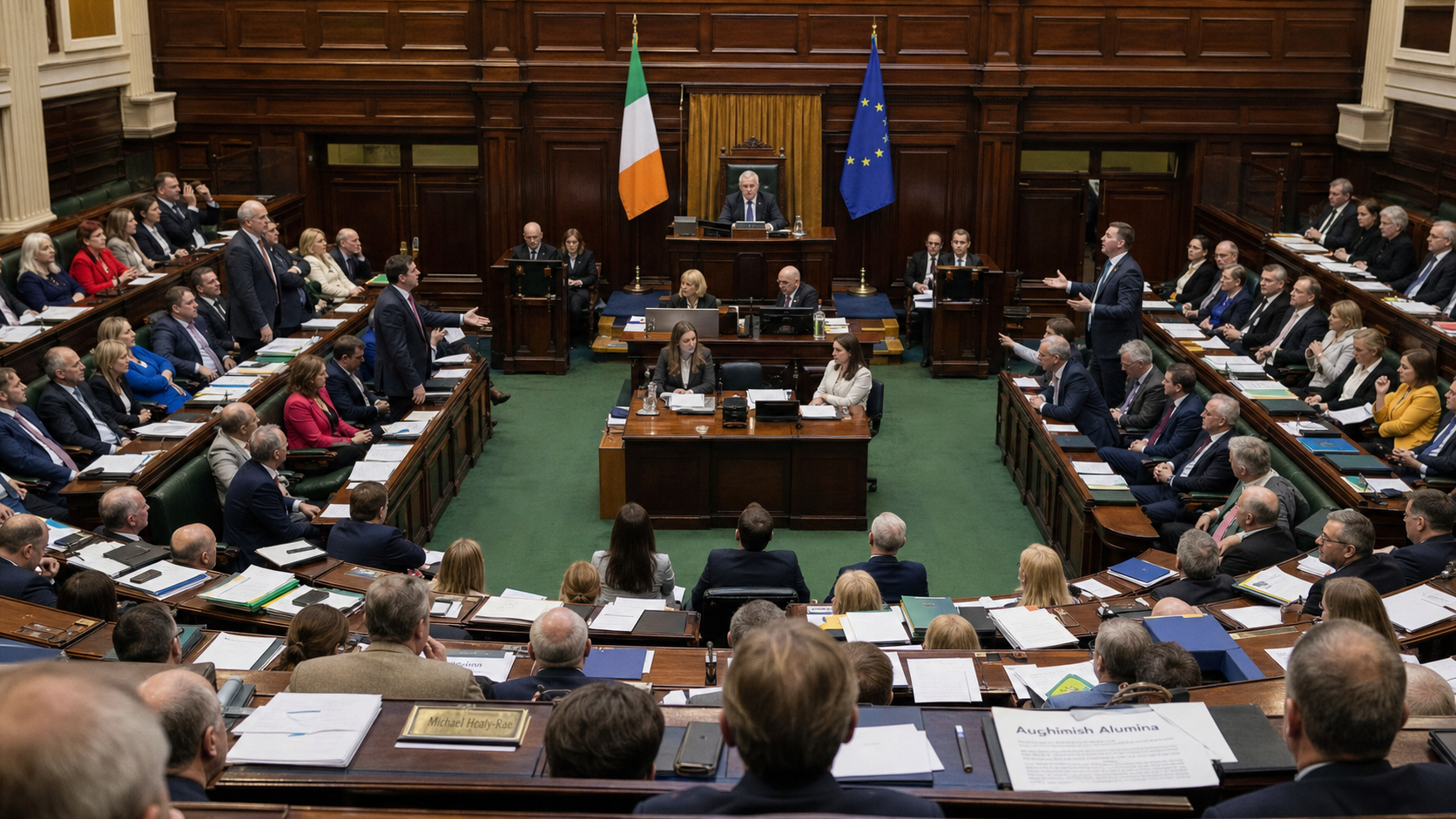
The bill was defeated in the Dáil following a debate that exposed the significant differences within the political system about both the substance of the unity question and the appropriate process for addressing it. Martin's description of the bill as not credible was the sharpest formulation of the government's position, and it drew a sharp response from Sinn Féin, which accused the Taoiseach of using procedural objections to avoid engaging with the substance of the constitutional question.
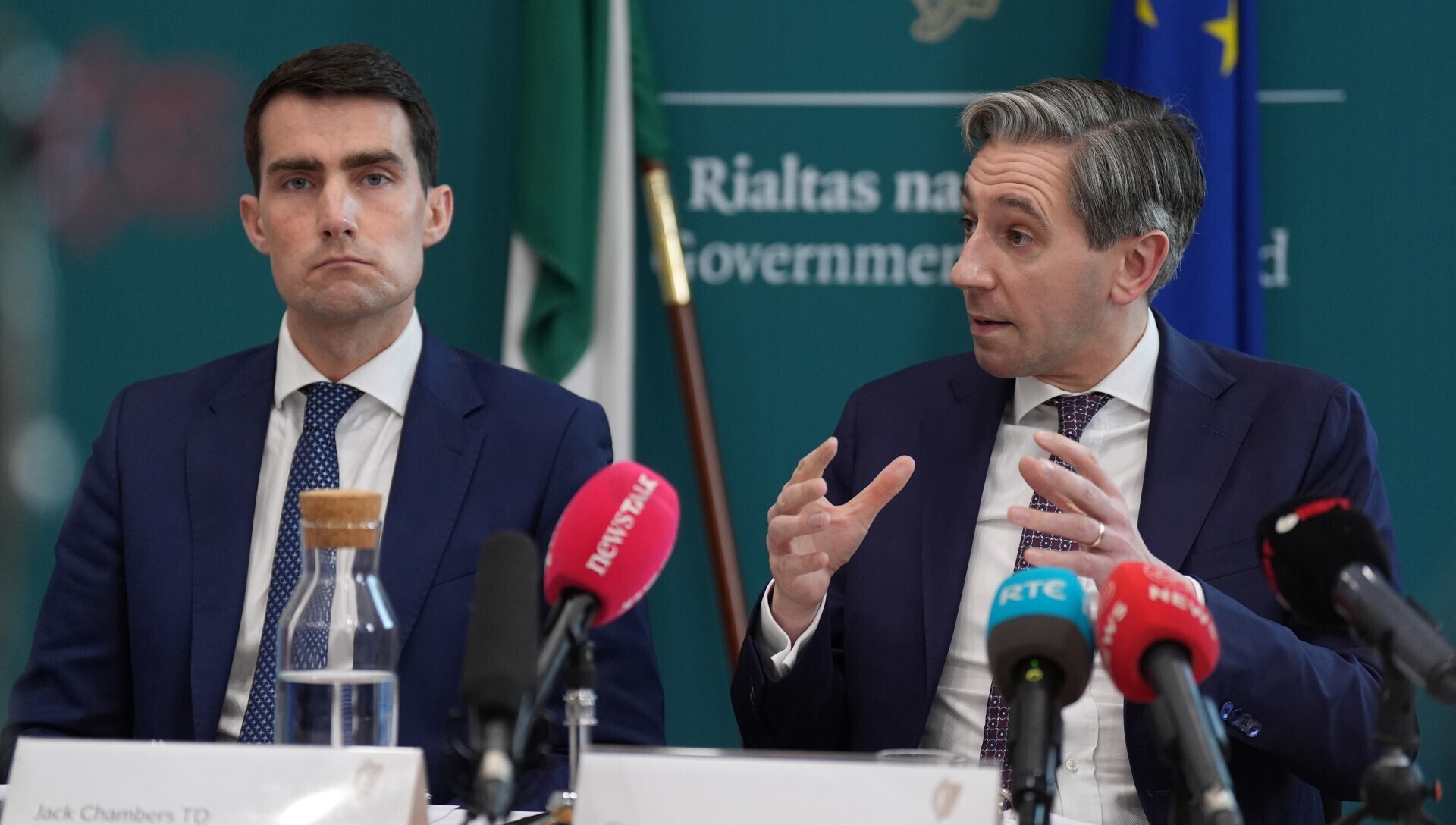
The defeat of the bill does not end the political pressure on the government. Fine Gael's announcement that it will publish a unity blueprint at its November Ard Fheis, and the subsequent meeting between Tánaiste Simon Harris and Sinn Féin leader Mary Lou McDonald, suggest that the political conversation about unity is accelerating even as the specific legislative vehicle has been rejected. The government will need to demonstrate that its opposition to the bill does not amount to opposition to planning for unity in any form.
The polling context is significant. Sinn Féin's 19.9% support in the latest PolitPro poll tracker makes it the largest party in the state, and the unity question is central to its political identity. The government's ability to hold its coalition together while managing the unity debate will be one of the defining political challenges of the remainder of this Dáil term.
Why It Matters
The defeat of the Planning for Constitutional Change Bill is a setback for Sinn Féin's legislative strategy, but it is unlikely to diminish the political salience of the unity question. If anything, the debate has clarified the positions of the main parties and created a more defined political battleground. Fine Gael's decision to develop its own unity blueprint — however different in character from Sinn Féin's approach — is a direct response to the pressure created by the bill's debate, and it represents a significant shift in the party's public positioning.
The episode also illustrates the limits of using legislation to drive constitutional conversations. The Good Friday Agreement's consent principle means that any path to Irish unity must ultimately command majority support in Northern Ireland as well as in the Republic, and that support cannot be legislated into existence. The question of how to build that support — through formal planning processes, through economic arguments, through cultural engagement — is one that will define Irish politics for the next decade.
Local Impact
The unity debate has particular resonance in constituencies along the border — Cavan-Monaghan, Donegal, Louth — where the practical consequences of partition are most visible. Local politicians in these areas are acutely aware that their constituents have a direct stake in how the constitutional question is resolved, and they have been among the most vocal advocates for formal planning processes. The North-South Ministerial Council's next plenary session, scheduled for the autumn, will provide an opportunity for the two governments to discuss the political developments in the context of their ongoing cooperation.
What's Next
Sinn Féin has indicated it will continue to press for a Citizens' Assembly on unity through political pressure if not through legislation. Fine Gael's unity blueprint is expected at the party's November Ard Fheis. The government is expected to publish its own position paper on constitutional planning before the end of 2026. The Dáil returns from its summer recess in September, when the unity debate is likely to resume in the context of the pre-budget political season.