Ireland's Tourist Tax Debate Advances as Local Democracy Taskforce Backs Visitor Levy
The Irish Government has indicated it will not oppose proposals for local authorities to implement a tourist tax, with the Local Democracy Taskforce — established by Housing Minister James Browne to identify new revenue streams for councils — backing a visitor levy that could raise between €12 million and €17.5 million annually in Dublin alone. The measure requires primary legislation and would give individual city and county councils the autonomy to decide whether to adopt the tax and at what rate.
Background
The question of a tourist tax — a levy on overnight stays in hotels and other accommodation — has been debated in Ireland for several years, with Dublin's four local authorities among the most vocal advocates. The argument for such a levy is straightforward: cities and towns that attract large numbers of tourists bear significant costs in terms of street cleaning, public toilet provision, infrastructure maintenance, and public safety, but currently have no mechanism to recover those costs from visitors. A tourist tax, ring-fenced for local services, would provide a dedicated revenue stream to address these costs.
The Irish Hotels Federation and other industry bodies have consistently opposed the idea, arguing that Ireland is already an expensive destination and that an additional tax would make it less competitive relative to other European countries. Some government ministers have echoed these concerns, emphasising the need for "careful consideration" of the impact on the tourism economy.
The Local Democracy Taskforce, commissioned by Minister Browne in 2025, was tasked with examining new, locally controlled funding mechanisms for city and county councils. Its support for a visitor levy represents a significant shift in the political landscape, as it provides a government-commissioned body's endorsement for a measure that had previously been treated with considerable caution by the coalition.
Key Developments
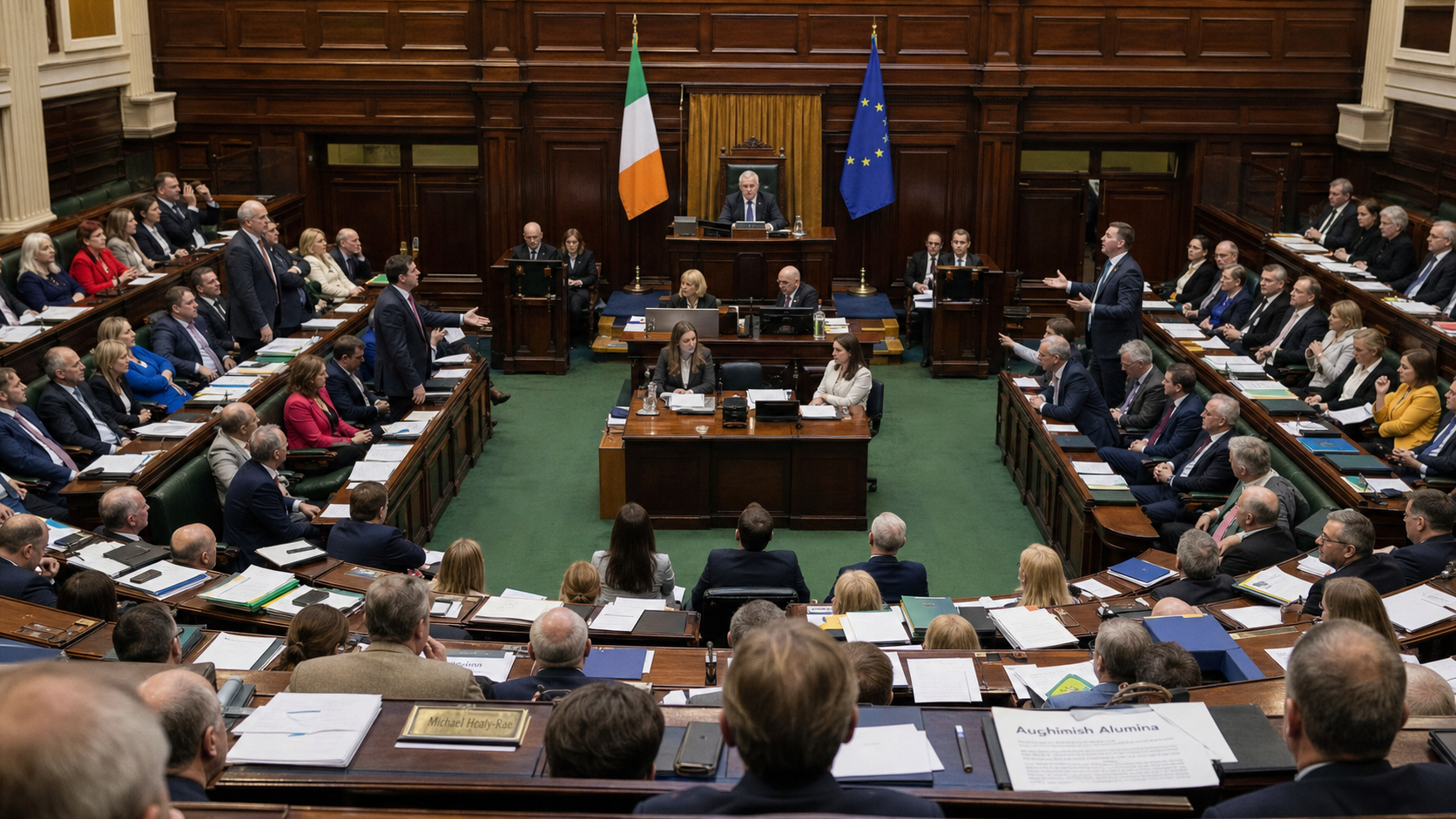
The Cabinet has agreed not to oppose a motion in the Seanad regarding the introduction of a tourist tax — a formulation that falls short of active support but signals a meaningful change in the government's position. The taskforce is expected to deliver its final report to the government in the coming weeks, and that report is expected to include detailed recommendations on the legislative framework for a visitor levy.
The proposed model would give individual city and county councils the autonomy to decide whether to adopt the tax, as well as to determine its specific rate, structure, and geographic application. This approach mirrors the model used in many European countries, where tourist taxes vary significantly between cities and regions based on local decisions about tourism management and revenue needs.
Fianna Fáil senators and local councillors including Hazel Chu have been among the most vocal advocates for the measure, arguing that it is standard practice across Europe and that the revenue could be ring-fenced for improvements to public services. Estimates suggest a Dublin-specific levy could raise approximately €12 million to €17.5 million annually, depending on the rate set and the range of accommodation types covered.
Why It Matters
The tourist tax debate is part of a broader conversation about local government finance in Ireland. Irish local authorities are among the most financially constrained in Europe, with limited powers to raise revenue independently of central government. The Local Property Tax, introduced in 2013, was a significant step toward local revenue-raising, but it has not kept pace with the growing demands on local services. A tourist tax would represent a further step toward giving local authorities the financial autonomy to manage their own affairs — a principle that has broad political support in theory, even if specific proposals often encounter resistance from industry lobbies.
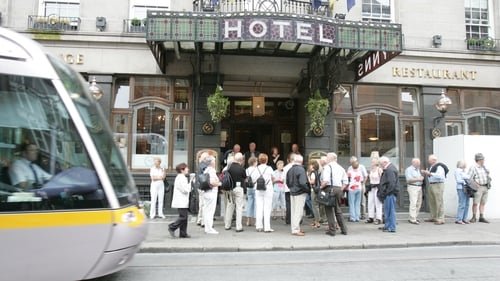
For Dublin in particular, the case for a tourist tax is compelling. The city attracts millions of visitors annually, and the costs of managing that visitor traffic — from the maintenance of tourist attractions to the provision of public toilets and street cleaning in heavily visited areas — fall disproportionately on Dublin City Council and the three other Dublin local authorities. A levy of even €2 per night, applied to the city's hotel stock, would generate significant revenue that could be directed at these costs.
Local Impact
The practical impact of a tourist tax would be felt most immediately in Dublin, Cork, Galway, and Killarney — the cities and towns that attract the largest numbers of overnight visitors. In Dublin, the revenue could be directed at improving public realm maintenance in heavily visited areas such as Temple Bar, the Docklands, and the city centre. In Galway, where the International Arts Festival and other major events generate significant visitor traffic, the levy could fund improvements to the city's public infrastructure. The Irish Hotels Federation has indicated it will engage with the legislative process but will continue to press for a rate that does not undermine Ireland's competitiveness as a tourist destination.
What's Next
The Local Democracy Taskforce's final report is expected within the next few weeks. Following its publication, the government will need to decide whether to proceed with primary legislation to enable local authorities to implement a visitor levy. If the decision is made to proceed, the legislation is unlikely to be enacted before 2027, meaning any tourist tax would not be in place for the 2026 tourist season. The Seanad motion, which the government has agreed not to oppose, is expected to be debated in the autumn session.