Stormont Budget Crisis Deepens as New NI Secretary Faces Immediate Funding Pressure
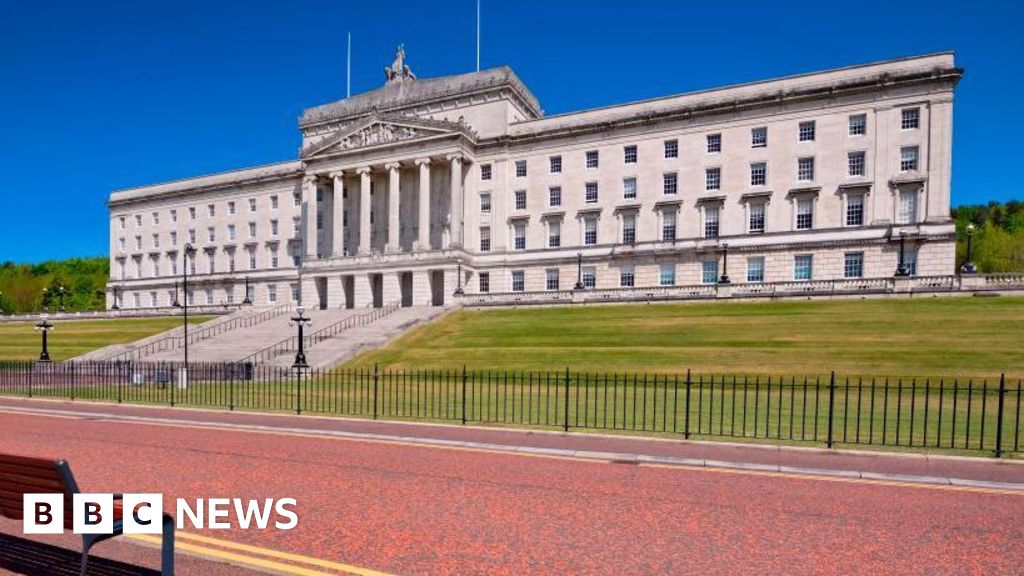
The Northern Ireland Executive is operating under contingency budget arrangements for the third consecutive quarter, with no agreed budget in place and departments facing increasingly difficult spending decisions. The appointment of Sir Chris Bryant as the new Secretary of State for Northern Ireland adds a further variable to already complex negotiations with the Treasury, as the Executive's Finance Minister continues to press for a dedicated stabilisation fund to address long-term structural deficits.
Background
Northern Ireland's public finances have been in a state of managed crisis for several years. The structural deficit — the gap between what the Executive needs to spend to maintain current service levels and what it receives from the Treasury through the block grant — has been estimated at between £500 million and £1 billion annually, depending on the methodology used. This deficit reflects a combination of factors: the higher cost of delivering public services in a smaller, more dispersed population; the legacy of underinvestment during the years when the Assembly was not functioning; and the particular pressures on health and social care in a region with an ageing population and significant deprivation.
The Executive received an additional £380 million in funding earlier this year, largely linked to special education funding in England that triggered consequential payments to devolved administrations under the Barnett formula. While welcome, this one-off payment did not address the underlying structural deficit, and the Finance Minister has continued to argue that a dedicated stabilisation fund — similar to the arrangements that accompanied the restoration of devolution in 2024 — is necessary to put the Executive's finances on a sustainable footing.
The failure to agree a formal budget for 2026-27 means that departments are operating under contingency arrangements, which limit their ability to make long-term commitments and create uncertainty for public sector workers, service users, and contractors. The PSNI, the health trusts, and the education sector have all flagged the impact of this uncertainty on their ability to plan and deliver services.
Key Developments
Talks between the UK government and the Northern Ireland Executive have been held at Hillsborough Castle to address the financial pressures, with outgoing Secretary Hilary Benn noting that ministers must take responsibility for setting a budget rather than waiting for a Treasury rescue. This message — that Stormont must make difficult decisions rather than expecting Westminster to resolve its financial problems — has been a consistent theme of the UK government's engagement with the Executive.
The appointment of Sir Chris Bryant as the new Secretary of State creates both an opportunity and a risk. A new Secretary brings fresh energy and the possibility of a reset in the relationship between Stormont and Westminster. But it also means that the institutional knowledge and relationships built up by Hilary Benn over two years must be rebuilt, at a time when the budget crisis requires urgent and informed engagement.
The Northern Ireland economy, despite the fiscal pressures on the public sector, has shown resilience. Some projections suggest the region may outperform the UK average over the next five years due to a resilient jobs market and the post-Brexit economic positioning that has given Northern Ireland preferential access to both the UK and EU markets. But this economic performance has not translated into improved public finances, partly because the tax revenues generated in Northern Ireland flow to the Treasury rather than to the Executive.
Why It Matters
The budget crisis is not an abstract political problem — it has direct consequences for the people of Northern Ireland. The PSNI is operating with officer numbers at approximately 6,300, down from a peak of over 7,000, and the inspectorate has warned that the force is at a "tipping point." Health waiting lists remain among the longest in the UK. Schools are facing difficult decisions about staffing and resources. The failure to agree a budget is not merely a political failure; it is a governance failure with real human costs.
The structural nature of the deficit means that there is no easy solution. Even if the Treasury were to provide a one-off stabilisation payment, the underlying gap between revenue and expenditure would remain. Addressing it requires either a sustained increase in the block grant, a significant increase in locally generated revenue, or a reduction in the scope of public services — none of which is politically straightforward.
Local Impact
The budget uncertainty is being felt across all of Northern Ireland's public services. In Belfast, the City Council is managing its own budget pressures while trying to deliver major projects including the Belfast Stories development and the preparations for Fleadh Cheoil na hÉireann. In Derry/Londonderry, the Western Health and Social Care Trust is operating under severe financial constraints, with the South West Acute Hospital in Enniskillen facing particular pressure. In rural areas, the uncertainty about road maintenance budgets and community services is creating anxiety among local communities that depend on these services. The Department of Education has warned that school budgets are under severe pressure, with some schools facing the prospect of reducing teaching hours or support staff.
What's Next
The new Secretary of State is expected to meet with the First Minister, Deputy First Minister, and Finance Minister within his first week in office. The budget negotiations with the Treasury are expected to intensify in the autumn, with the UK government's own spending review providing the context for any decisions about the Northern Ireland block grant. The Executive's Finance Minister has indicated that a formal budget will be brought to the Assembly before the end of the calendar year, though the specific allocations will depend on the outcome of the Treasury negotiations.