Mary Lou McDonald Calls Irish Unity Talks with Simon Harris 'Extremely Constructive'
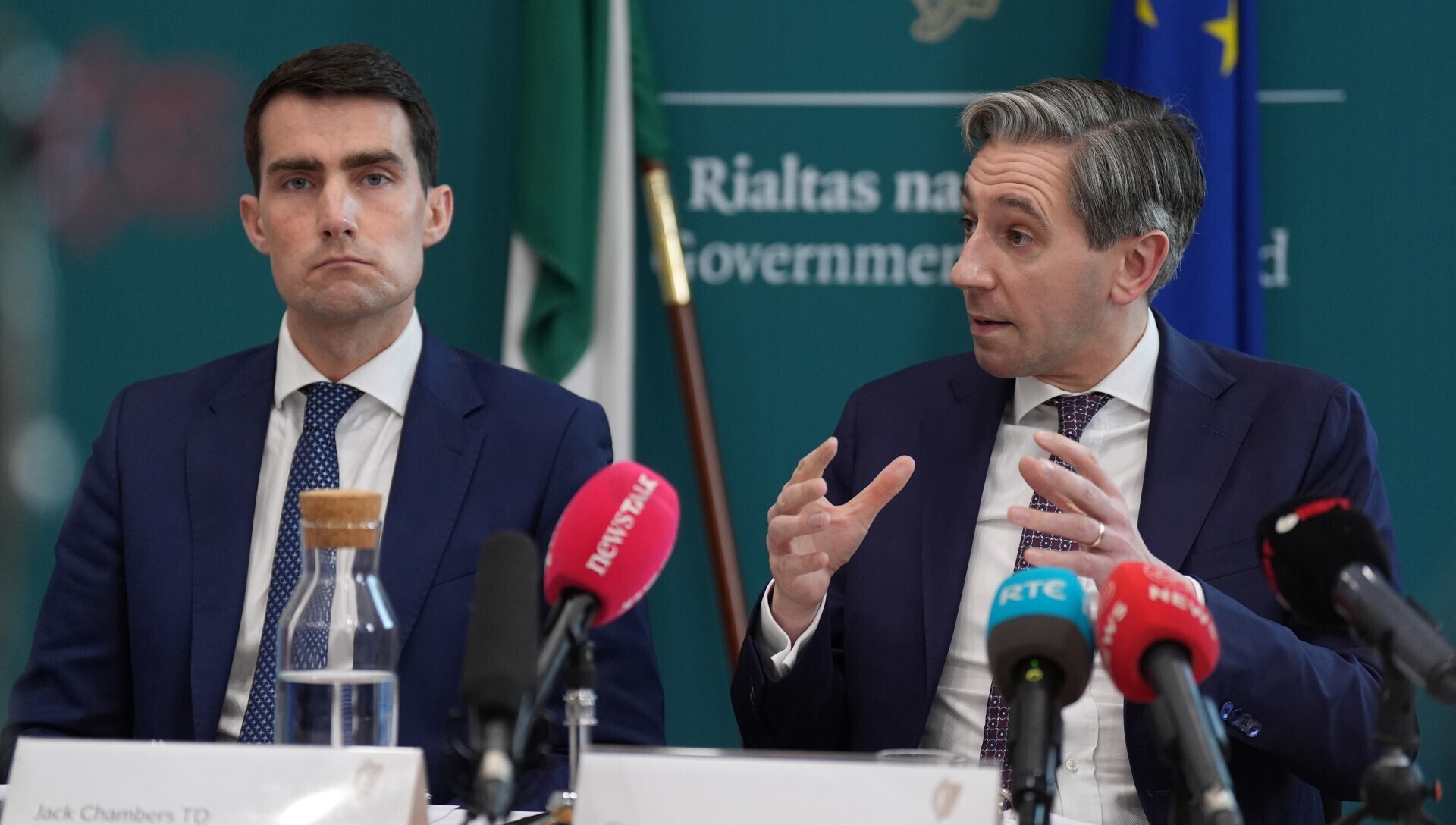
Sinn Féin leader Mary Lou McDonald has described talks with Tánaiste and Fine Gael leader Simon Harris on Irish unity as 'extremely constructive', following a meeting on Monday, July 21, that both parties characterised as the beginning of a serious cross-party conversation on constitutional change. The discussions come in the wake of Sinn Féin's Planning for Constitutional Change Bill, which the government formally opposed, and Fine Gael's announcement that it will publish a blueprint for a unified island at its November 2026 Ard Fheis.
Background
The question of Irish unity has moved from the margins to the mainstream of political discourse in the Republic over the past decade, driven by Brexit, demographic change in Northern Ireland, and the growing electoral strength of Sinn Féin on both sides of the border. The Good Friday Agreement provides the legal framework for a border poll — a referendum on Irish unity — but it leaves the timing and conditions of such a poll to the discretion of the Secretary of State for Northern Ireland, who must call one if it appears likely that a majority would vote for unity.
Sinn Féin has been pressing for more formal preparations for a potential referendum, arguing that the Irish government has a responsibility to plan for constitutional change rather than simply waiting for the Secretary of State to act. The party's Planning for Constitutional Change Bill, debated in the Dáil earlier this month, sought to compel the government to establish a Citizens' Assembly on unity and publish a Green Paper on the implications of constitutional change within 18 months.
The government, led by Taoiseach Micheál Martin, formally opposed the bill, with Martin describing it as not credible and arguing that it imposed artificial deadlines on a process that required long-term partnership and consent. Harris, while opposing the specific legislation, had previously expressed a commitment to working across the Dáil to advance the conversation on unity — a position that set him apart from some of his Fine Gael colleagues and created the conditions for Monday's meeting.
Key Developments
The meeting between McDonald and Harris took place on Monday, July 21, following a request from the Sinn Féin leader. Both parties described the dialogue as extremely constructive, with McDonald emphasising that the conversation represented a necessary step towards the preparation required for potential referendums under the Good Friday Agreement. She noted that there is now a growing recognition among political parties of the need to work collaboratively on the issue, and that while significant work, listening, and talking remains to be done, the process of planning must move forward.
Sinn Féin sources described the engagement as the beginning of a conversation rather than the conclusion of one, and no joint approach was formally agreed upon. Harris indicated that Fine Gael looks forward to continued engagement with other party leaders and government colleagues on these issues. The Tánaiste's announcement that Fine Gael will publish a blueprint for a unified island at its November Ard Fheis — outlining the issues and considerations necessary for achieving unity — represents a significant shift in the party's public positioning on the question.
The current polling environment adds urgency to the political calculations on all sides. Sinn Féin leads the polls at 19.9%, with Fine Gael at 17.6% and Fianna Fáil at 14.9%. The governing coalition is estimated to hold only 38.1% of seats, suggesting it would lose its parliamentary majority if an election were held today.
Why It Matters
The McDonald-Harris meeting matters because it represents a qualitative shift in how the two largest parties in the Dáil are engaging with the unity question. For most of Fine Gael's history, Irish unity was treated as a long-term aspiration to be acknowledged in principle and deferred in practice. The announcement of a unity blueprint, however carefully worded, signals that the party recognises it can no longer afford to be seen as the party of the status quo on the constitutional question.
For Sinn Féin, the meeting is a validation of its strategy of pressing for formal preparations rather than simply waiting for demographic change to deliver a border poll. The party has consistently argued that the absence of planning is itself a political choice — one that disadvantages those who want unity by ensuring that any referendum would be held without adequate preparation on either side. The meeting with Harris suggests that argument is beginning to gain traction even within the parties that have most resisted it.
Local Impact
The unity debate has particular resonance in border communities — in Donegal, Monaghan, Cavan, and Louth — where the practical consequences of partition are felt most directly in daily life. Cross-border commuters, businesses that operate on both sides of the border, and communities divided by the boundary between the two jurisdictions all have a direct stake in how the constitutional question is resolved. The North-South Ministerial Council, which provides a formal mechanism for cooperation between the two governments, will be watching the political developments closely.
What's Next
Fine Gael's unity blueprint is expected to be published at the party's Ard Fheis in November 2026. Sinn Féin has indicated it will continue to press for a Citizens' Assembly on unity, either through legislation or through political pressure on the government. The Taoiseach's office has not indicated whether Micheál Martin will seek his own meeting with McDonald on the unity question. The next significant political milestone will be the Dáil's return from its summer recess in September.