Simon Harris Distances Himself from 'Moron' Post as Coalition Manages Trump Visit Fallout
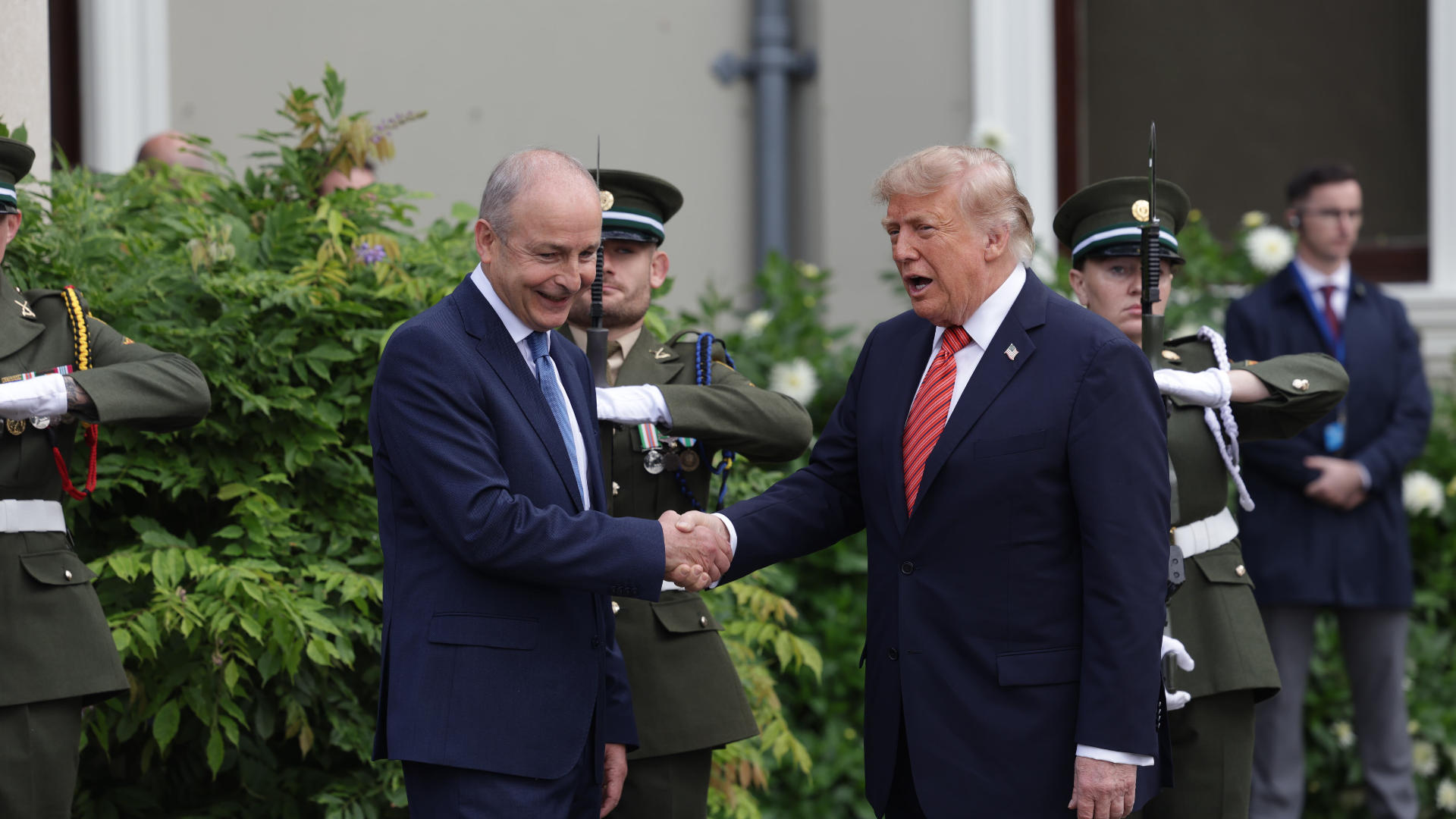
Tánaiste Simon Harris has been forced to publicly distance himself from a social media post by his constituency director that described US President Donald Trump as a "moron," adding a layer of domestic political embarrassment to the coalition's already complex task of managing the diplomatic fallout from a presidential visit that generated more controversy than progress.
Background
The relationship between Ireland and the United States is one of the most consequential bilateral relationships in Irish foreign policy. The United States is Ireland's largest source of foreign direct investment, with American companies employing approximately 180,000 people in Ireland and contributing a disproportionate share of the corporation tax revenues that have transformed the state's public finances. The maintenance of that relationship — and the regulatory and tax environment that underpins it — is a core priority of every Irish government, regardless of political stripe.
Simon Harris, as Tánaiste and leader of Fine Gael, has been one of the primary architects of the coalition's approach to the Trump administration. Fine Gael has historically positioned itself as the most pro-American of the main Irish parties, and Harris has been careful to maintain a tone of respectful engagement with the Trump White House even when the administration's policies have been at odds with Irish interests or values. The social media post by his constituency director therefore represented a significant political embarrassment, undermining the carefully calibrated message that the coalition has been trying to project.
The broader context of the Trump visit — including the unity remarks, the Doonbeg associations, and the large-scale protests — has created a political environment in which the coalition is simultaneously trying to manage its relationship with Washington, respond to domestic public opinion that is broadly hostile to Trump, and avoid giving opposition parties ammunition to attack the government's handling of the visit.
Key Developments
The social media post, which described Trump as a "moron," was published by Harris's constituency director during the presidential visit and quickly attracted media attention. Harris moved swiftly to distance himself from the comment, stating that it did not reflect his views or those of Fine Gael and that he had spoken to the individual concerned. The episode was seized upon by opposition parties as evidence of the coalition's discomfort with the Trump visit, with Sinn Féin and the Social Democrats arguing that the government's public deference to the president was at odds with the private views of its own staff.
Harris has been navigating a difficult path throughout the Trump visit. He has sought to maintain a tone of diplomatic engagement while also signalling to the Irish public that the government is not uncritical of the administration's policies. His approach has involved emphasising the economic importance of the US relationship while avoiding direct endorsement of Trump's political positions — a balance that the "moron" post made considerably harder to maintain.
The Tánaiste has also been managing the domestic political implications of Trump's unity remarks, which have created pressure on the coalition from both sides. Nationalist parties are pressing the government to respond positively to Trump's intervention, while unionist leaders and the UK government are watching closely to see whether Dublin will use the remarks to advance a unity agenda. Harris has been consistent in emphasising that the government's position on unity — focused on the Shared Island initiative — has not changed.
Why It Matters
The "moron" episode is a minor incident in the context of the broader diplomatic picture, but it illustrates the difficulty of managing the Trump relationship in an Irish political environment where public opinion is broadly hostile to the president. Every Irish government faces this tension, but it is particularly acute under Trump, whose personal style and political positions are more at odds with mainstream Irish values than those of any recent American president.
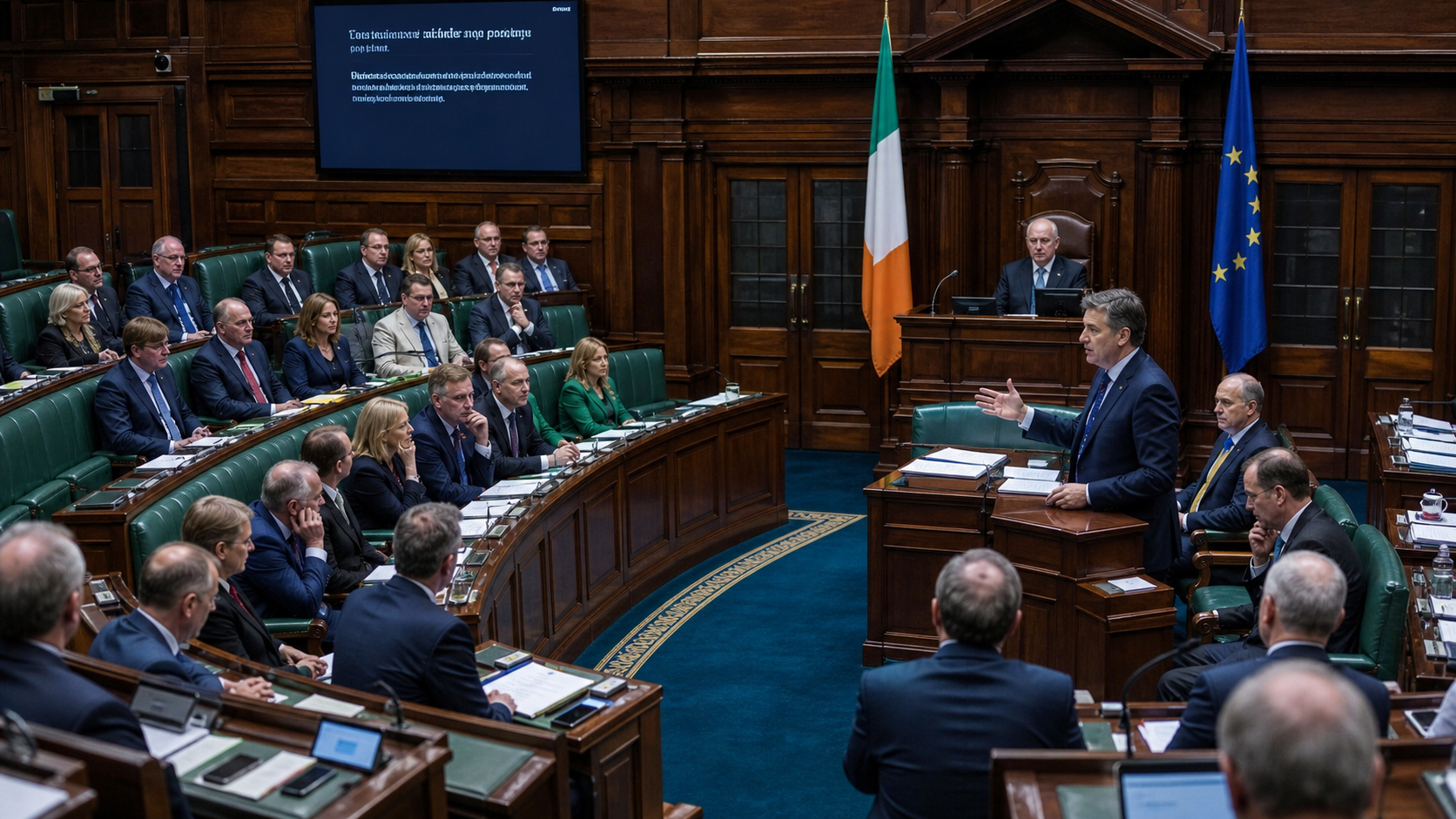
The coalition's handling of the Trump visit will be scrutinised in the Dáil when the Oireachtas resumes, and the "moron" post will feature in that scrutiny. The more substantive question — whether the visit produced any tangible diplomatic or economic benefits for Ireland — is one that the government will need to answer convincingly if it is to defend its decision to host the president at Doonbeg as well as in Dublin.
Local Impact
In Harris's Wicklow constituency, the episode generated local media coverage but is unlikely to have a significant impact on his political standing. The broader question of how the coalition manages the Trump relationship will, however, have implications for Fine Gael's positioning ahead of the next general election. The party's traditional pro-American stance is an asset in terms of maintaining the FDI relationship, but it can be a liability in terms of domestic public opinion when the American president is as divisive a figure as Trump. Harris will need to find a way to maintain both dimensions of that balance in the months ahead.
What's Next
Harris is expected to address the Dáil on the Trump visit and its diplomatic outcomes when the Oireachtas resumes. The Department of Foreign Affairs will publish a summary of the diplomatic engagements that took place during the visit. The constituency director who published the social media post is expected to remain in post, with Harris having accepted the apology offered. The coalition's approach to the Trump administration will be a recurring theme in Dáil debates through the autumn.