SDLP's Eastwood Brands Sinn Féin Westminster Abstention a 'Dereliction of Duty' as Unity Debate Intensifies
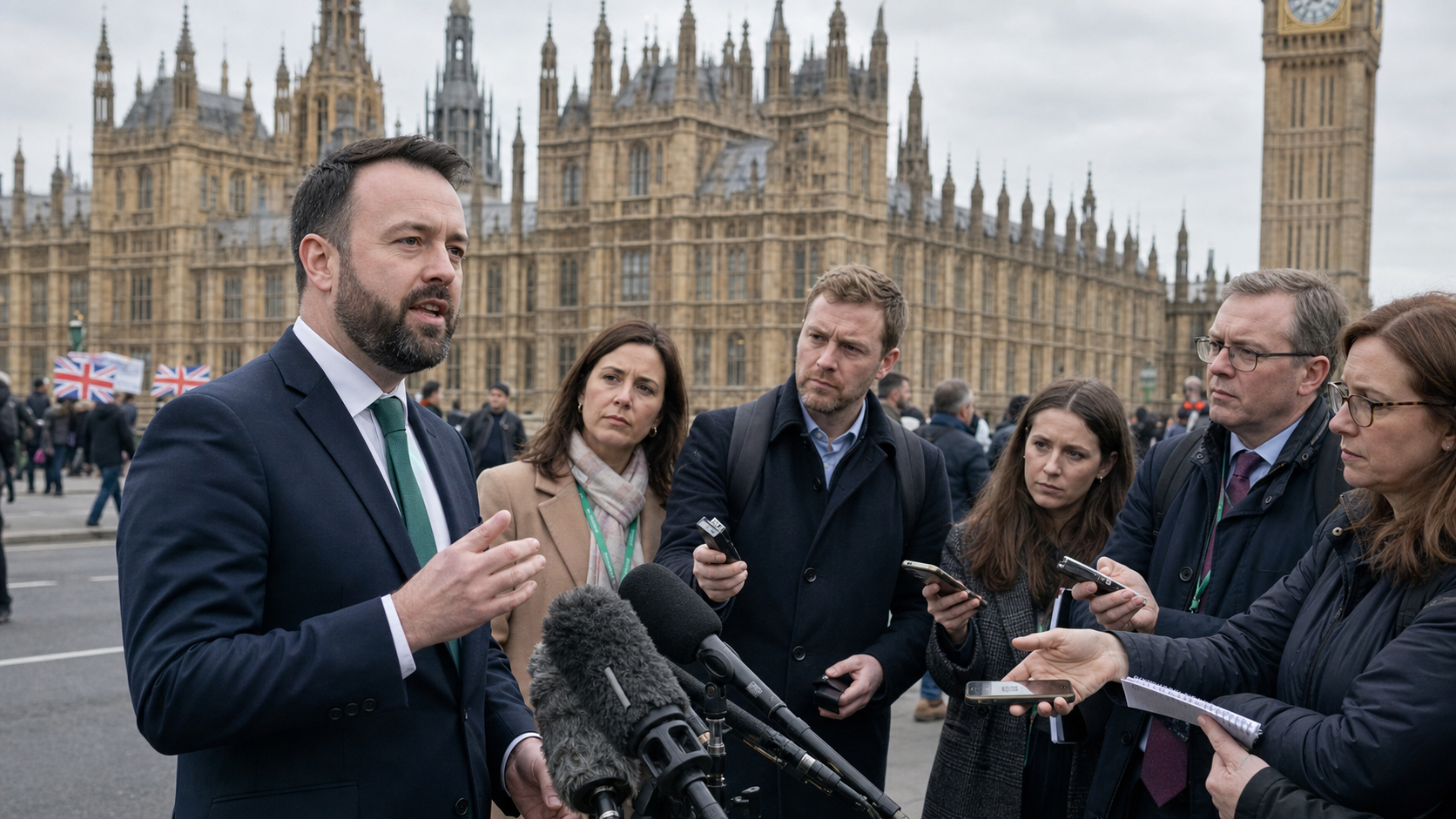
SDLP leader Colum Eastwood has delivered his sharpest attack yet on Sinn Féin's Westminster abstentionism, describing the policy as a "dereliction of duty" that leaves Northern Ireland without effective representation in the parliament that controls its budget at the most critical moment in the Stormont funding negotiations in a generation.
Background
Sinn Féin's policy of abstentionism — winning seats at Westminster but refusing to take them up — dates back to the party's founding principles and has been a defining feature of its political identity for over a century. The policy is rooted in the party's refusal to recognise the legitimacy of the British parliament's authority over any part of Ireland. In the current Westminster parliament, Sinn Féin holds seven seats, all of which remain empty. The party's elected representatives do, however, use the facilities and resources of Westminster, including office space and research support.
The SDLP, by contrast, takes its Westminster seats and participates fully in parliamentary business. The party currently holds two seats — Foyle, held by Colum Eastwood himself, and South Down, held by Chris Hazzard — and has consistently argued that active participation in Westminster is essential to protecting Northern Ireland's interests, particularly on issues such as the budget, the protocol, and the peace process.
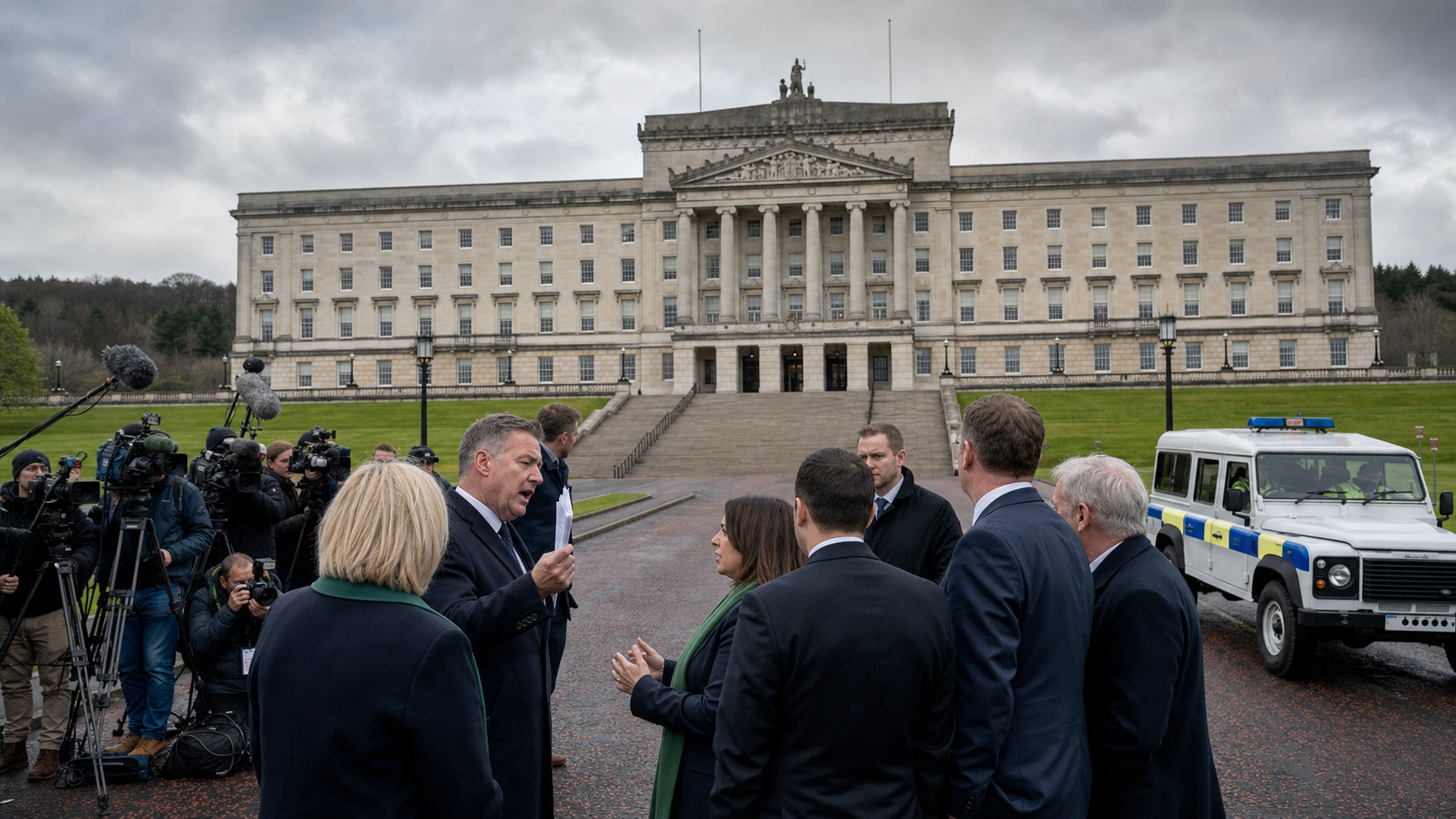
The debate over abstentionism has intensified in the context of the Stormont budget crisis. With the Northern Ireland Executive in protracted negotiations with the UK government over a multi-year funding settlement, the question of whether Northern Ireland's elected representatives are making the most effective use of all available levers of influence has become politically charged. The SDLP has argued that Sinn Féin's seven empty seats represent a significant missed opportunity to lobby directly for Northern Ireland's interests in the corridors of Westminster.
Key Developments
Speaking in the context of the Trump visit and the renewed debate about Irish unity, Eastwood argued that Sinn Féin's abstentionism is particularly indefensible at a moment when Northern Ireland's budget, public services, and constitutional future are all simultaneously in play. He described the policy as a "dereliction of duty" to the constituents who elected Sinn Féin's MPs, arguing that those voters deserve to have their voices heard in the parliament that makes decisions about their lives.
Eastwood's intervention is part of a broader SDLP strategy to differentiate the party from Sinn Féin on the question of effective representation. The SDLP has been arguing that Sinn Féin's dominance of the nationalist vote has not translated into better outcomes for nationalist communities, and that the party's ideological rigidity on abstentionism is one reason why. The argument has particular resonance in the context of the budget negotiations, where the SDLP can point to its own active lobbying of Westminster ministers as evidence of the value of participation.
Sinn Féin has responded by arguing that its abstentionism is a matter of principle that reflects the party's fundamental position on the legitimacy of British rule in Ireland, and that the SDLP's participation in Westminster represents an acceptance of partition that Sinn Féin is not prepared to make. The party has also argued that its presence in the Stormont Executive and the Dáil gives it more effective levers of influence than Westminster participation would provide.
Why It Matters
The abstentionism debate is not merely a procedural argument — it goes to the heart of how nationalist and republican politics in Northern Ireland understands its relationship with the British state. Sinn Féin's position has been consistent for over a century, and it has not prevented the party from becoming the largest party in the Stormont Assembly. However, the specific context of the budget negotiations gives Eastwood's argument a practical edge that is harder to dismiss than the usual theoretical debate about legitimacy and recognition.
If Northern Ireland's budget settlement is ultimately determined by negotiations between the Executive and the UK government, the question of whether Sinn Féin's seven Westminster MPs could have made a difference by participating in those negotiations is one that will be asked — and answered differently by different people — for years to come. The SDLP's calculation is that the answer is yes, and that making that argument now, while the negotiations are live, is the most effective way to press the point.
Local Impact
In Foyle, where Eastwood holds his Westminster seat, the abstentionism debate has a particular resonance. Derry is one of the areas most acutely affected by the Stormont budget crisis, with the Western Health and Social Care Trust facing severe financial pressures and the city's infrastructure investment programme stalled. Eastwood has been active in Westminster lobbying on Derry's behalf, and his argument that Sinn Féin's seven empty seats represent a missed opportunity for the city and the wider west of Northern Ireland has found some traction among voters who are frustrated by the pace of progress on key issues.
What's Next
The abstentionism debate is expected to continue in the Stormont Assembly when it returns from recess. Sinn Féin has indicated it will not change its position, but the party is aware that the argument is being made in a context — the budget crisis — where the practical consequences of abstentionism are unusually visible. The SDLP's annual conference, scheduled for later in the autumn, is expected to feature a significant debate on the party's strategy for differentiating itself from Sinn Féin in the run-up to the 2027 Assembly election.