RTE to Strip Back Ireland v Israel Nations League Coverage with No Pundits, No Studio and No Advertising
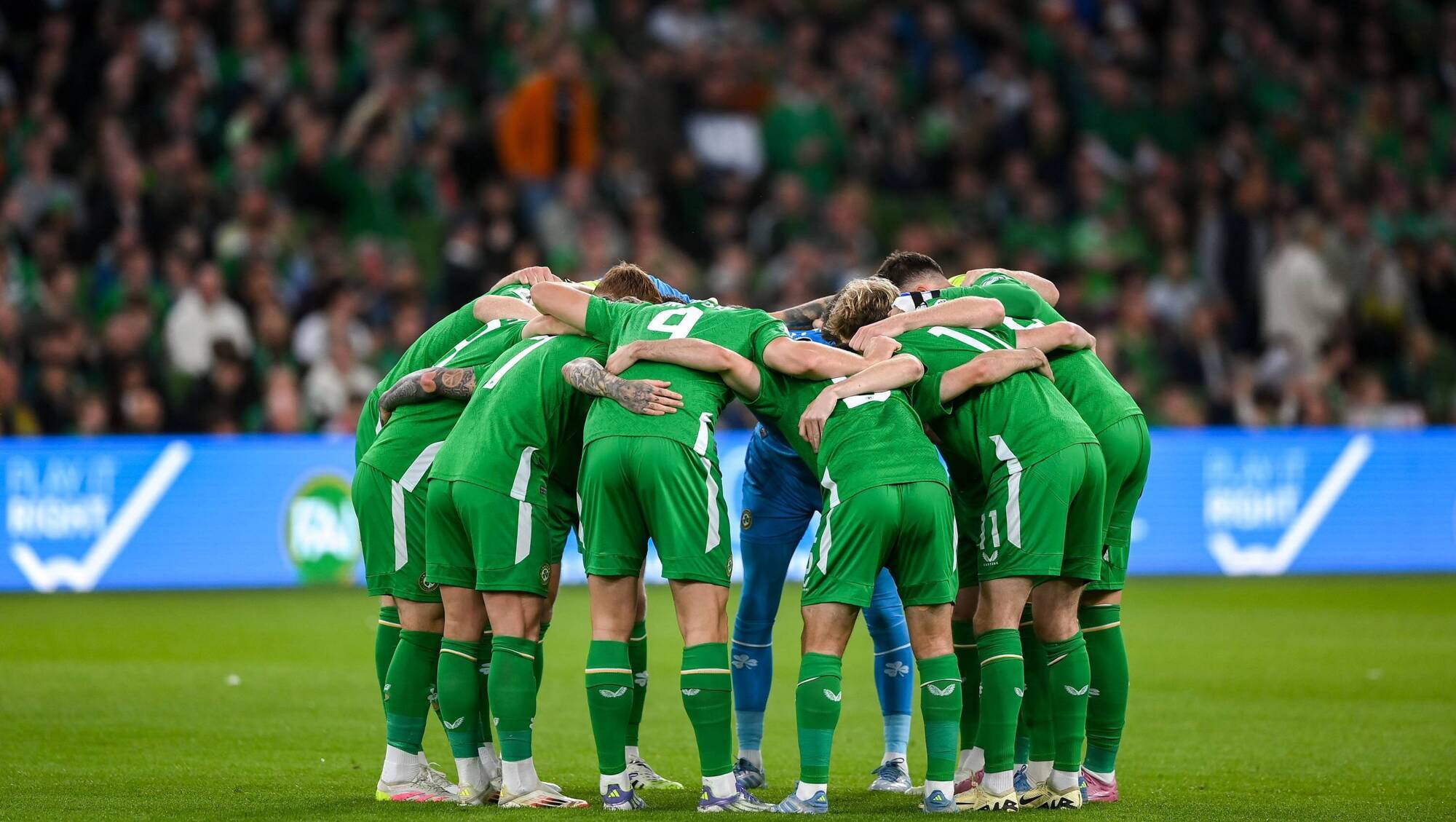
RTE has confirmed it will fulfil its contractual obligations to broadcast two UEFA Nations League fixtures between the Republic of Ireland and Israel but will implement a stripped-back coverage plan with no studio presentation, no pundits, no RTE commentary, and no advertising or sponsorship associated with the matches — a compromise that reflects the broadcaster's attempt to navigate the tension between its contractual duties and the ongoing humanitarian crisis in Gaza.
Background
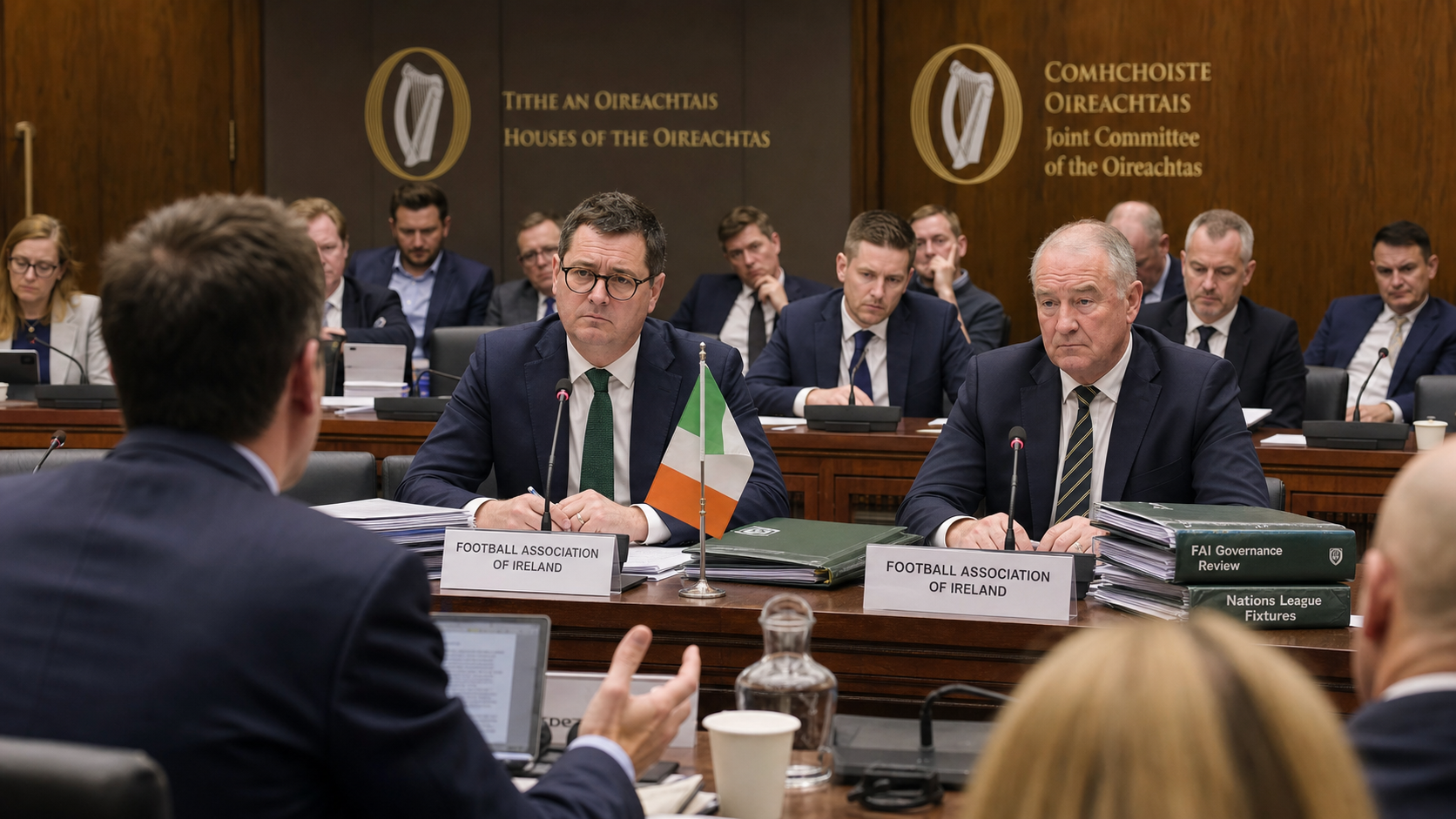
The scheduling of Republic of Ireland Nations League fixtures against Israel has been one of the most politically charged issues in Irish sport in recent months. The ongoing conflict in Gaza, which has resulted in tens of thousands of Palestinian deaths and the displacement of millions, has generated intense public debate in Ireland about whether Irish sporting bodies and broadcasters should participate in events involving Israeli teams. RTE had already confirmed that Ireland would not participate in or broadcast the 2027 Eurovision Song Contest, to be held in Bulgaria, marking the second consecutive year of Ireland's withdrawal from the competition on humanitarian grounds. The Nations League situation is more complex, however, because RTE holds a contractual obligation to broadcast Republic of Ireland international matches, and UEFA has not sanctioned Israel or moved the fixtures to neutral venues. The Football Association of Ireland has been in discussions with UEFA about the fixtures, requesting that the matches be moved to neutral venues given the security concerns and the political sensitivity. UEFA has defended its draw policy and declined to make changes. The FAI has indicated that it will fulfil its obligations to play the matches, which are scheduled for 27 September in Debrecen, Hungary, and 4 October in Backa Topola, Serbia — both effectively neutral venues, as Israel is not hosting home matches in Israel due to security concerns.
Key Developments
RTE's decision to broadcast the matches in a stripped-back format represents a carefully calibrated response to competing pressures. The broadcaster is contractually obliged to show Republic of Ireland international matches and cannot simply refuse to broadcast them without significant legal and financial consequences. At the same time, RTE has been under pressure from politicians, advocacy groups, and members of the public to take a clear stance on the conflict. The stripped-back format — no studio presentation, no pundits, no RTE commentary, no advertising or sponsorship — is designed to fulfil the letter of the broadcaster's contractual obligations while minimising the extent to which RTE is seen to be normalising or endorsing the fixtures. The broadcast will rely on the international feed for match commentary, with only a minimal technical team deployed. RTE has confirmed it will not accept any advertising or sponsorship deals associated with these specific fixtures. The broadcaster has also confirmed that it will continue to provide news coverage of the games and the broader events surrounding them, including any protests or demonstrations that take place in connection with the fixtures.
Why It Matters
The RTE decision reflects a broader tension that Irish institutions — sporting, cultural, and media — have been navigating since the outbreak of the Gaza conflict. Ireland has a long tradition of solidarity with the Palestinian cause, rooted in historical parallels between the Irish and Palestinian experiences of colonialism and displacement. This tradition has given Irish public opinion on the conflict a particular intensity, and it has placed Irish institutions under pressure to take positions that their counterparts in other European countries have largely avoided. UEFA's position — that sport should be kept separate from politics — has a principled basis, but it is one that is applied inconsistently: Russia was banned from international competition following the invasion of Ukraine, while Israel continues to participate despite the conflict in Gaza. This inconsistency has been noted by Irish politicians and advocacy groups, and it has made RTE's position more difficult to defend.
Local Impact
Across Ireland, the RTE decision has generated significant public debate. In Dublin, Cork, and Galway, advocacy groups have announced plans to hold demonstrations in connection with the fixtures, and there have been calls for the FAI to take a stronger stance with UEFA. The Dail has seen questions raised about the government's position on the fixtures, with Sinn Fein and People Before Profit calling for Ireland to refuse to play. The government has indicated that it supports the FAI's decision to fulfil its obligations while continuing to advocate for a ceasefire in Gaza through diplomatic channels.
What's Next
The Republic of Ireland will play Israel in Debrecen, Hungary, on 27 September, and in Backa Topola, Serbia, on 4 October. RTE will broadcast both matches in stripped-back format. The FAI is continuing its discussions with UEFA about the broader policy on hosting matches in conflict-affected regions. Protests are expected in Dublin and other Irish cities on the days of the fixtures. The Oireachtas Foreign Affairs Committee is expected to discuss Ireland's diplomatic response to the Gaza conflict at its next meeting.