Robbie Butler Steps Into NI's Most Demanding Brief with 'Hope Not Fear' Pledge
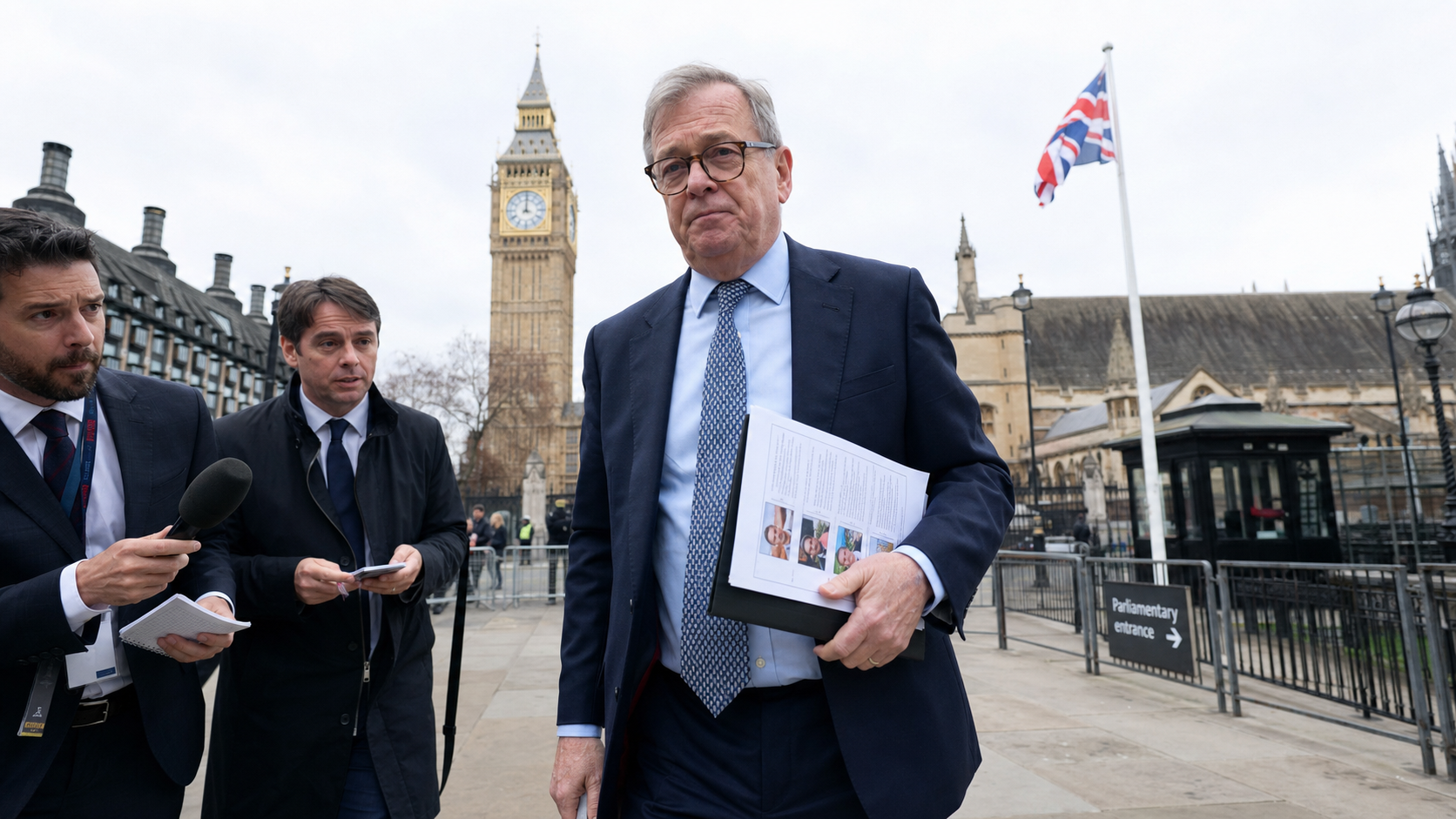
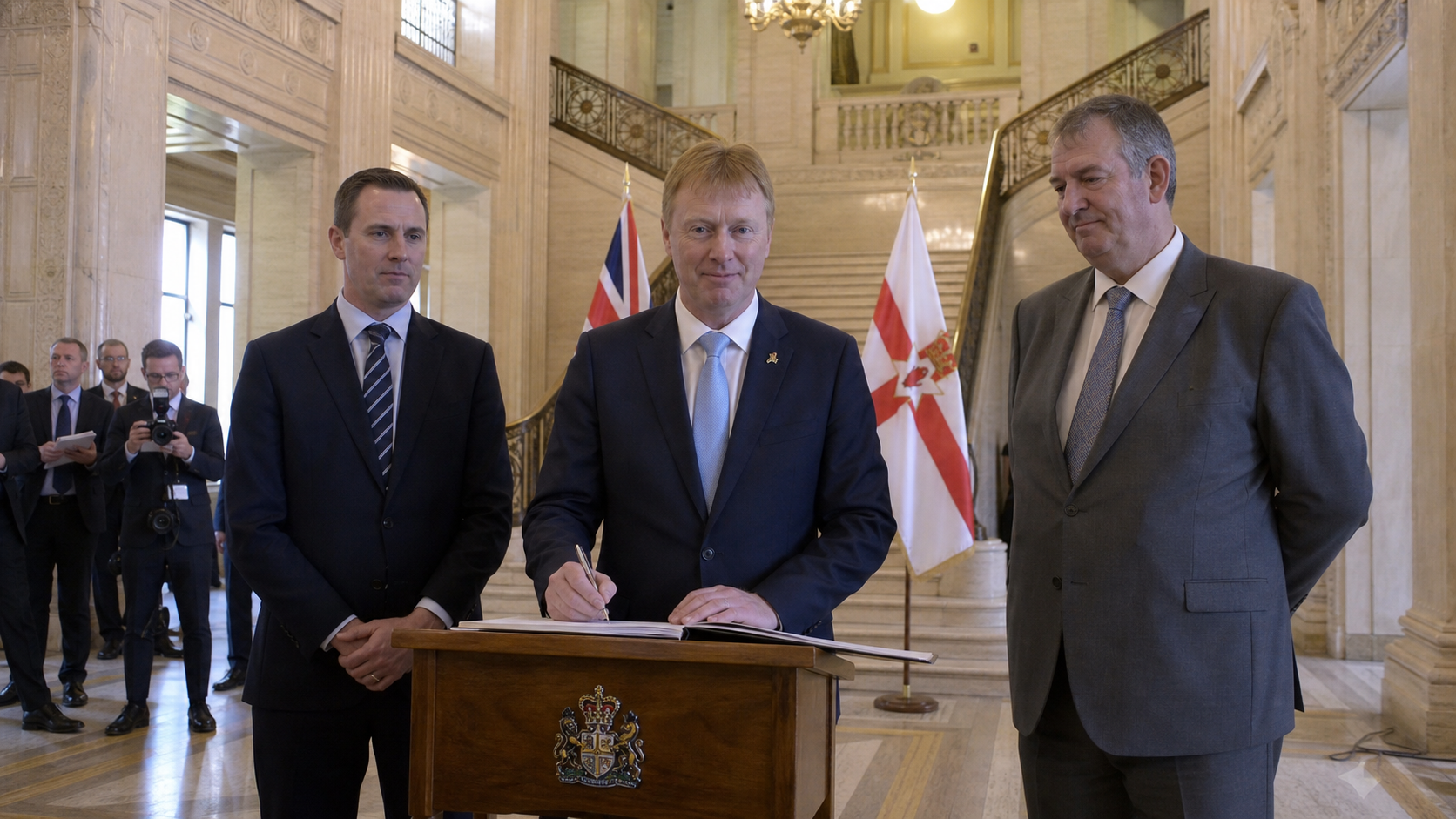
Robbie Butler MLA was formally appointed as Northern Ireland's Minister of Health on Thursday 20 August, signing the pledge of office at Stormont Castle in the presence of Ulster Unionist Party leader Jon Burrows and Assembly Speaker Edwin Poots. The Lagan Valley MLA and former firefighter succeeds Mike Nesbitt, who resigned last week following a public dispute with Burrows over the proposed withdrawal of emergency general surgery from Causeway Hospital in Coleraine. Butler enters the role with a clear-eyed acknowledgement of the scale of the challenge, pledging to lead with what he described as a "Hope Not Fear" approach and to spend significant time on the front line rather than behind a ministerial desk.
Background
The circumstances of Butler's appointment are as politically charged as any in recent Stormont history. Mike Nesbitt, a widely respected figure who had brought considerable credibility to the health portfolio, resigned after UUP leader Jon Burrows publicly opposed the planned removal of emergency general surgery from Causeway Hospital — a position Nesbitt learned of through media reports rather than internal party consultation. In his resignation letter, Nesbitt described Burrows as having imposed a "red line" on health policy without prior discussion, a characterisation that exposed deep tensions within the UUP's leadership structure.
The episode is the latest in a series of internal difficulties for the UUP under Burrows, who previously saw the departure of former leader Doug Beattie following internal disputes. The party's handling of the Nesbitt resignation has drawn criticism from across the political spectrum, with DUP, SDLP, and Alliance representatives all noting the damage done to the health reform agenda at a critical moment for the service.
Butler himself is a relatively low-profile figure at Stormont, better known for his community work in Lagan Valley than for high-profile political interventions. His background as a firefighter — a profession that demands both physical courage and calm decision-making under pressure — has been cited by supporters as relevant preparation for a ministerial role that will require exactly those qualities.
Key Developments
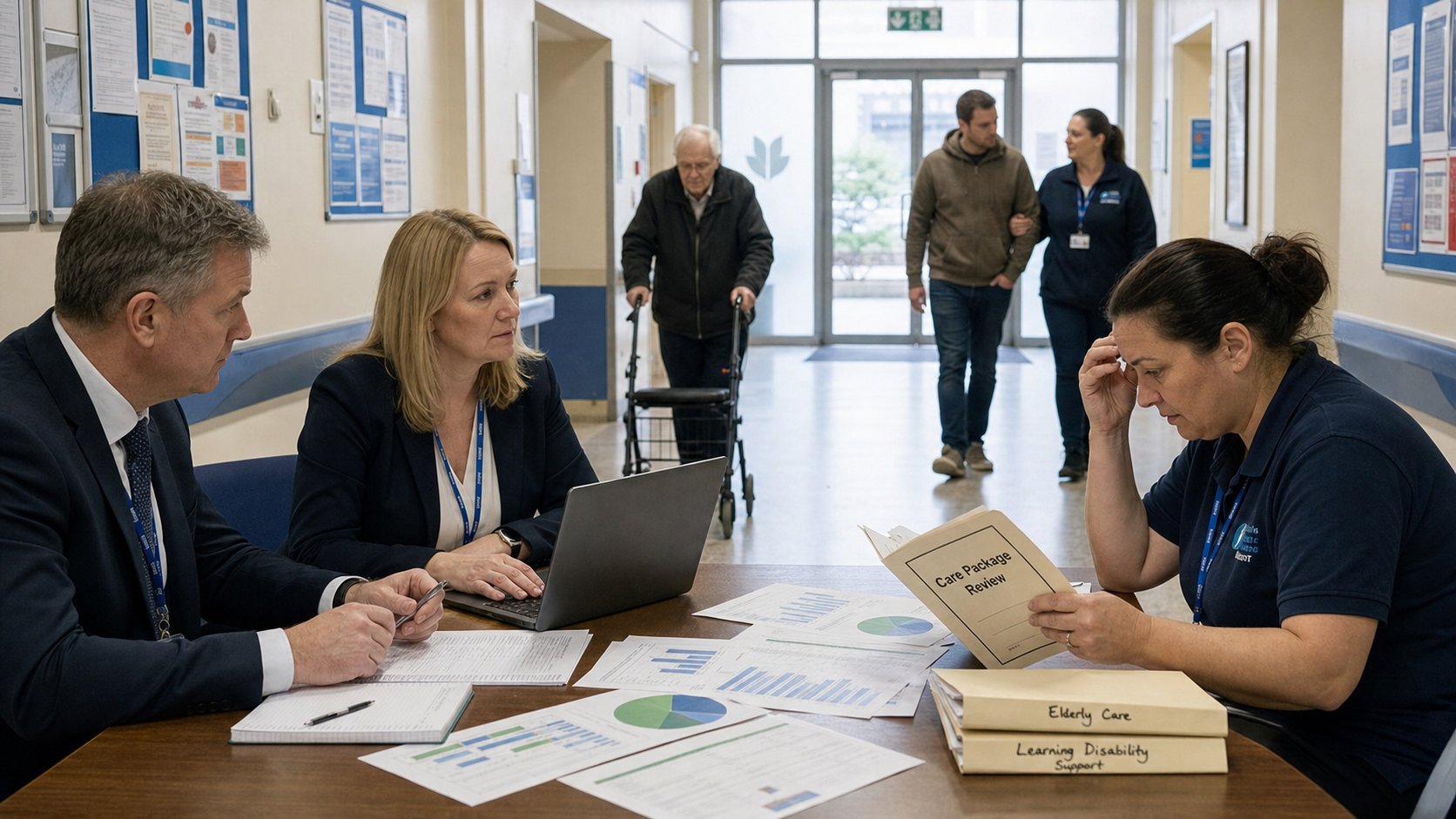
At his first press conference as minister, Butler was direct about the scale of what he faces. Northern Ireland's health service carries the longest waiting lists of any region in the United Kingdom, with hundreds of thousands of patients waiting for outpatient appointments, diagnostic tests, and elective procedures. The staffing crisis is equally acute, with the British Medical Association warning that years of inadequate workforce planning have left the service without sufficient surgeons and specialists to maintain every service across all hospital sites.
The immediate political flashpoint remains Causeway Hospital. The Northern Health and Social Care Trust has argued that the current model of emergency general surgery at Causeway is clinically unsustainable, and that consolidating the service at Antrim Area Hospital would improve patient outcomes. Local communities in the Coleraine and north Antrim area have mounted fierce opposition to any reduction in services, and the political pressure on Butler to find a resolution that satisfies both clinical and community concerns is considerable.
Butler has indicated that he will seek an early briefing from the Northern Health Trust and from the Department's chief medical officer before making any pronouncements on the Causeway question. "I will be guided by clinical evidence and patient need," he said. "But I also understand that communities need to have confidence in their local services, and that confidence has to be earned."
Why It Matters
The appointment of a third health minister in relatively quick succession — following Robin Swann and Mike Nesbitt — raises legitimate questions about the stability of health policy at Stormont. Each ministerial transition brings a period of adjustment, during which the reform agenda inevitably slows. With Assembly elections scheduled for May 2027, Butler has a narrow window of perhaps nine months in which to demonstrate meaningful progress before the political cycle reasserts itself.
The broader context is one of systemic pressure. Northern Ireland's health service is structurally different from the NHS in England, with five integrated health and social care trusts — Belfast, South Eastern, Southern, Western, and Northern — responsible for both hospital and community services. The integration of health and social care, while theoretically advantageous, has created a complex bureaucratic landscape that successive ministers have struggled to navigate. Butler's "Hope Not Fear" framing suggests an awareness that the service needs cultural as well as structural change.
Local Impact
For patients across Northern Ireland, the ministerial change is a source of anxiety as much as hope. In Belfast, where the Belfast Health and Social Care Trust manages the Royal Victoria Hospital, the Mater, and the Belfast City Hospital, waiting times for orthopaedic and ophthalmology procedures remain among the longest in the UK. In Derry, the Western Trust's Altnagelvin Hospital serves a large catchment area that extends into Donegal, and cross-border health cooperation remains an important but underdeveloped resource. In Antrim and Coleraine, the Causeway question will dominate local political discourse for the foreseeable future.
What's Next
Butler is expected to appear before the Stormont Health Committee within the next fortnight to outline his immediate priorities. The committee, chaired by Sinn Féin's Liz Kimmins, has already indicated that it will press the new minister on the Causeway Hospital situation, the waiting list reduction strategy, and the timeline for implementing the "Shift Left" primary care reform agenda. A departmental budget review is also expected in September, which will set the financial parameters for the remainder of the Assembly term.