Rapid7 Belfast Faces 60 Job Losses as US Cybersecurity Firm Cuts 12% of Global Workforce
Around 60 jobs are at risk at Rapid7's Belfast engineering and development centre after the Boston-headquartered cybersecurity company announced a global workforce reduction of approximately 12%, as the firm restructures to focus on artificial intelligence-driven security capabilities under its new chief executive.
Background
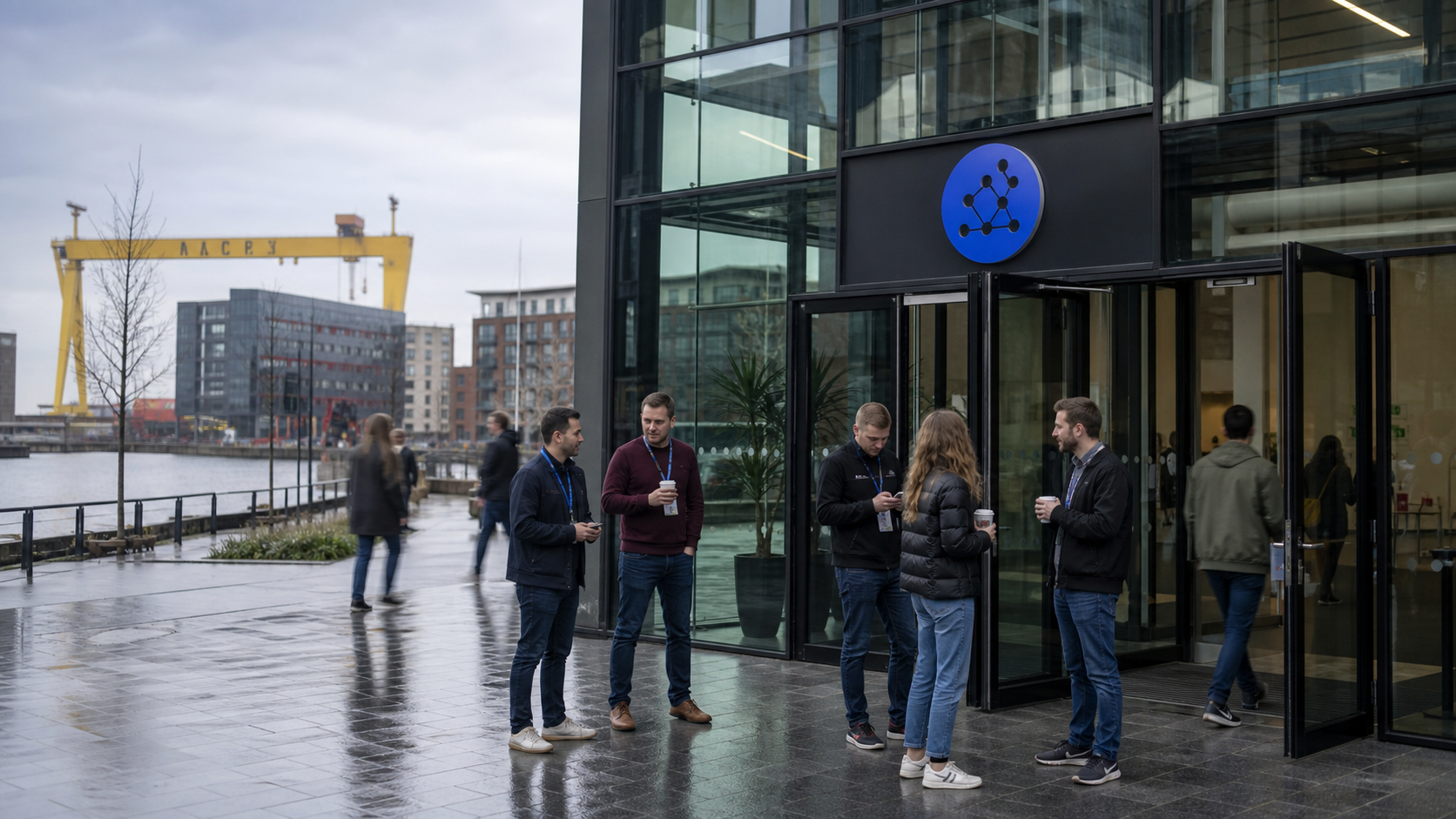
Rapid7 has been a significant presence in Belfast's technology sector since 2014, when it established its engineering and development centre at Chichester House in the city centre. Over the intervening decade, the Belfast operation has grown to become the company's largest engineering hub outside North America, employing approximately 530 people in roles spanning software development, security research, data engineering, and product management. The centre has been a consistent source of well-paid technology employment in Belfast and has contributed to the city's growing reputation as a hub for cybersecurity expertise.
The company, which provides cloud-based security analytics and automation products to organisations worldwide, has faced increasing competitive pressure in a market that is being rapidly reshaped by artificial intelligence. The appointment of Wael Mohamed as chief executive on 1 June 2026 signalled a strategic shift toward what the company describes as an "AI-first" approach to cybersecurity, integrating advanced language models and agentic AI systems into its core detection, response, and exposure management products. The restructuring announced in August is the operational consequence of that strategic pivot.
Rapid7 reported annual recurring revenue of $824 million and quarterly revenue of $210.9 million for the period ending June 2026, with a cash position of $702.6 million. Despite these relatively healthy financial metrics, the company has concluded that its current organisational structure is not optimally aligned with its AI-focused strategy, and that a reduction in headcount is necessary to fund the investment required to compete effectively in the next phase of the market.
Key Developments
The company confirmed that approximately 12% of its global workforce would be affected by the restructuring, which it described as a measure to "streamline its organisational structure" and better align resources with its core platform solutions. Rapid7 anticipates incurring restructuring charges of between $10 million and $11 million, primarily comprising severance payments to affected employees. The company has not provided a specific breakdown of the cuts by location, but the application of the 12% reduction to the Belfast workforce of approximately 530 suggests that around 60 positions are at risk.
A company spokesperson directed queries about the specific Belfast impact back to the general global restructuring statement, declining to provide a precise figure for local job losses. The Irish News reported that the cuts could affect approximately 60 Belfast employees, a figure consistent with the global percentage applied to the local headcount. Invest Northern Ireland, which has supported Rapid7's Belfast operations over the years, confirmed it was aware of the announcement and was engaging with the company to understand the full implications for its local workforce.
The restructuring is part of a broader technology sector trend in which companies that expanded rapidly during the post-pandemic period are now rationalising their workforces as growth rates normalise and investor pressure for profitability intensifies. Belfast's technology sector has been affected by several such announcements in recent years, though the city's overall employment in the sector has continued to grow as new entrants offset departures.
Why It Matters
The Rapid7 announcement is a reminder of the vulnerability that comes with Belfast's dependence on a relatively small number of large technology employers. The city has worked hard over the past decade to diversify its technology base beyond the financial services and legal technology sectors that dominated its early growth, and cybersecurity has been identified as a particular area of strength. Rapid7's Belfast centre has been a flagship example of that specialisation, and any significant reduction in its workforce will be felt across the local technology ecosystem, including the universities and further education colleges that have developed courses specifically to supply talent to the sector. The announcement also raises questions about the pace at which AI is displacing traditional software engineering roles, a trend that is likely to accelerate across the technology sector in the coming years.
Local Impact
The potential loss of 60 jobs at Rapid7's Chichester House facility in Belfast city centre will have a direct impact on the individuals affected and a broader ripple effect on the local economy. Technology workers in Belfast typically earn significantly above the Northern Ireland average wage, and the loss of such positions represents a meaningful reduction in the city's high-value employment base. Queen's University Belfast and Ulster University, both of which have developed strong cybersecurity programmes partly in response to demand from companies like Rapid7, will be monitoring the situation closely. The Belfast City Council's economic development team is expected to engage with affected workers through its employability support services, and Invest Northern Ireland has indicated it will work to identify alternative employment opportunities for those who lose their positions.
What's Next
Rapid7 is expected to complete its restructuring process by the end of the third quarter of 2026, with affected employees notified and severance arrangements concluded by September. The company has indicated that it will continue to invest in its Belfast operation as a centre of engineering excellence, though the reduced headcount will inevitably change the character of the facility. Invest Northern Ireland and the Department for the Economy are expected to publish a response to the announcement in the coming days, setting out the support available to affected workers. The situation will also be raised at Stormont, where the Economy Committee has been monitoring the health of the technology sector closely.