'When Your Child Is Dying You Shouldn't Have to Beg for Help': NI Parents Speak Out Over Disability Support Failure
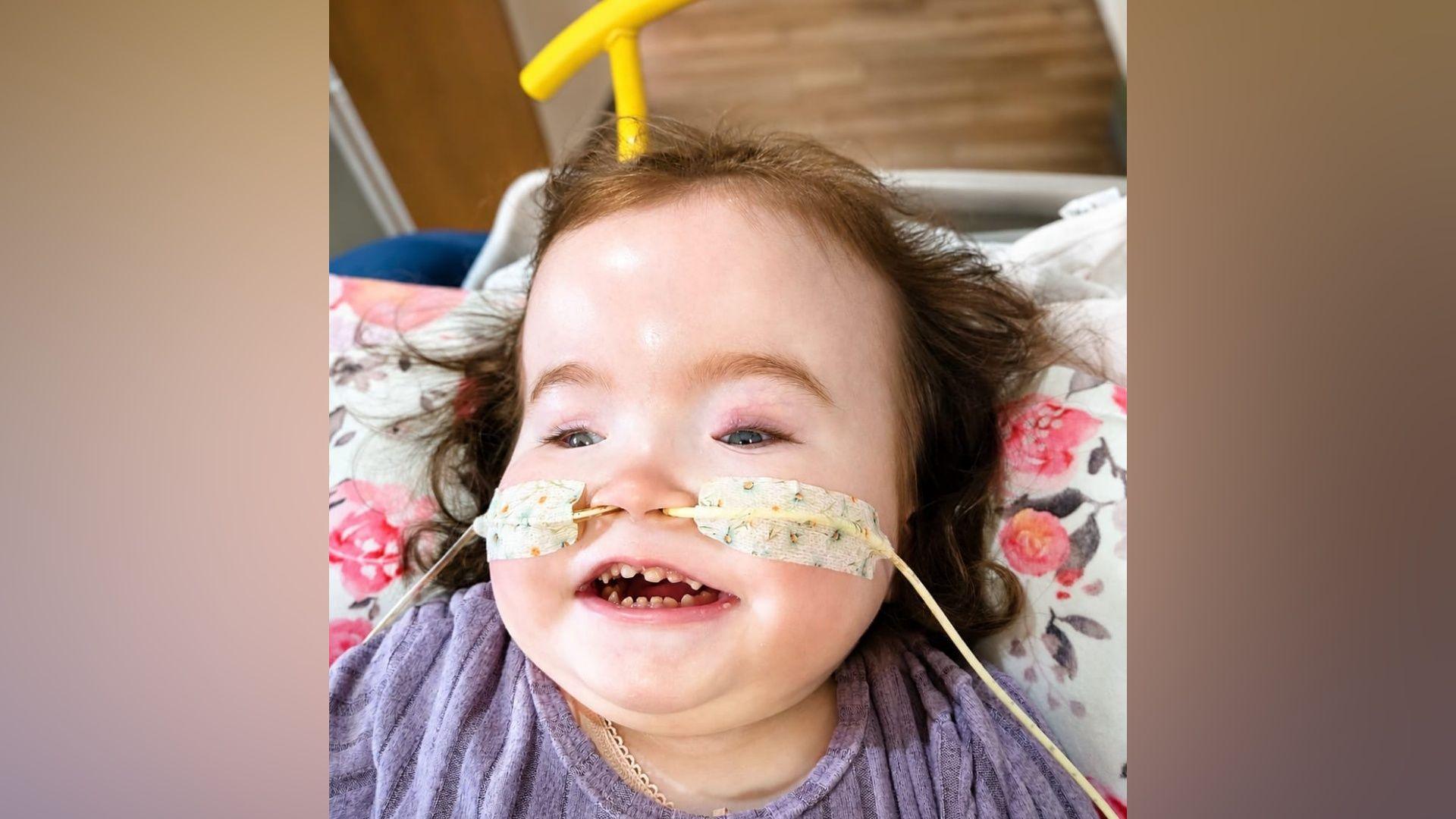
The parents of a severely disabled two-year-old child who died in May have spoken publicly about the anguish of spending their daughter's entire short life fighting for the support she needed, describing a system that left them exhausted, isolated, and begging for help while their child was dying. Their account has renewed calls for urgent and fundamental reform of disability support services in Northern Ireland.
The couple, who have chosen not to be named publicly, described a relentless battle with health trusts, social services, and government departments to secure the care their daughter required for her complex condition. Despite repeated assessments confirming the severity of her needs, they say they were consistently met with delays, bureaucratic obstacles, and a system that seemed designed to deny rather than provide support.
Background
Northern Ireland's disability support services have been under sustained pressure for years, with waiting lists for assessments and support packages among the longest in the United Kingdom. The five health and social care trusts — Belfast, South Eastern, Southern, Western, and Northern — are responsible for delivering disability services across the jurisdiction, but all have reported significant capacity constraints driven by underfunding, staff shortages, and growing demand.
Children with complex disabilities and multiple health needs are among the most vulnerable users of these services, requiring coordinated support from health, social care, and education professionals. When that coordination breaks down — as it frequently does in a system under pressure — the consequences for families can be devastating. Parents are left to fill the gaps, often at enormous personal cost, while simultaneously managing the emotional and physical demands of caring for a seriously ill child.
The case of this family is not unique. Disability advocacy organisations in Northern Ireland have documented numerous similar cases in recent years, and the Stormont Assembly's Health Committee has received extensive evidence about the failures of the system. However, the public nature of this family's account — and the rawness of their grief — has given the issue a new urgency.
Key Developments
"When your child is dying, you shouldn't have to beg for help," the child's mother said in an interview broadcast this week. "We spent every day of her life fighting — fighting for assessments, fighting for equipment, fighting for respite, fighting for someone to listen. We were exhausted. We were broken. And all the while, she was getting sicker."
The family described a series of specific failures: assessments that were delayed for months, equipment that arrived too late to be of use, respite care that was promised but never delivered, and a lack of coordination between the health trust, social services, and the child's medical team. They say they were repeatedly told that their daughter's needs were being assessed and that support was forthcoming, but that the support rarely materialised in time to make a difference.
Disability Action Northern Ireland, which has been supporting the family, described the case as "a devastating example of a system that is failing the most vulnerable children and their families." The organisation called for an independent review of how complex disability cases are managed across the five health trusts and for a significant increase in funding for disability support services.
Why It Matters
The case highlights a fundamental tension in Northern Ireland's approach to disability support: the gap between the rights that disabled children and their families are entitled to under law and the reality of what the system is able to deliver. The United Nations Convention on the Rights of Persons with Disabilities, which the United Kingdom has ratified, requires that disabled people receive the support they need to live with dignity and participate fully in society. The experiences described by this family suggest that Northern Ireland is falling far short of that standard.
The Stormont Executive's ongoing budget difficulties have made the situation worse. Without a confirmed budget for the current financial year, health trusts have been operating under emergency spending controls that have limited their ability to recruit staff, commission new services, or invest in the infrastructure needed to meet growing demand. The Finance Minister has warned that the situation is unsustainable, but agreement on a budget has remained elusive.
For families caring for children with complex disabilities, the consequences of these systemic failures are not abstract — they are lived, day by day, in the exhaustion of fighting a system that should be supporting them. The death of this family's daughter, and their decision to speak publicly about their experience, is a reminder of what is at stake when those systems fail.
Local Impact
The family is from the Belfast Trust area, which covers the city of Belfast and surrounding areas and is the largest of the five health and social care trusts in Northern Ireland. The Belfast Trust has reported some of the longest waiting times for disability assessments in the jurisdiction, with some families waiting more than two years for an initial assessment of their child's needs. The Trust has acknowledged the pressures on its services and has committed to working with the Department of Health to address the backlog, but progress has been slow.
What's Next
The Department of Health has indicated that it is reviewing the case and will respond to the family's concerns. Disability Action Northern Ireland has called for a meeting with the Health Minister to discuss the systemic issues raised by the case and to press for a commitment to independent review. The Stormont Assembly's Health Committee is expected to take evidence on disability support services in the autumn, and the family's account is likely to feature prominently in that process.