Over 80% of Ireland's Radiotherapy Machines Need Urgent Replacement, Cancer Experts Warn
Ireland's cancer treatment infrastructure is facing a crisis of ageing equipment, with leading oncologists warning that more than 80% of the country's radiotherapy machines are in immediate or imminent need of replacement — a situation that poses a direct and serious risk to the quality of care available to cancer patients across the island, and one that demands urgent investment from the HSE and the government if Ireland is to maintain standards comparable to its European neighbours.Background
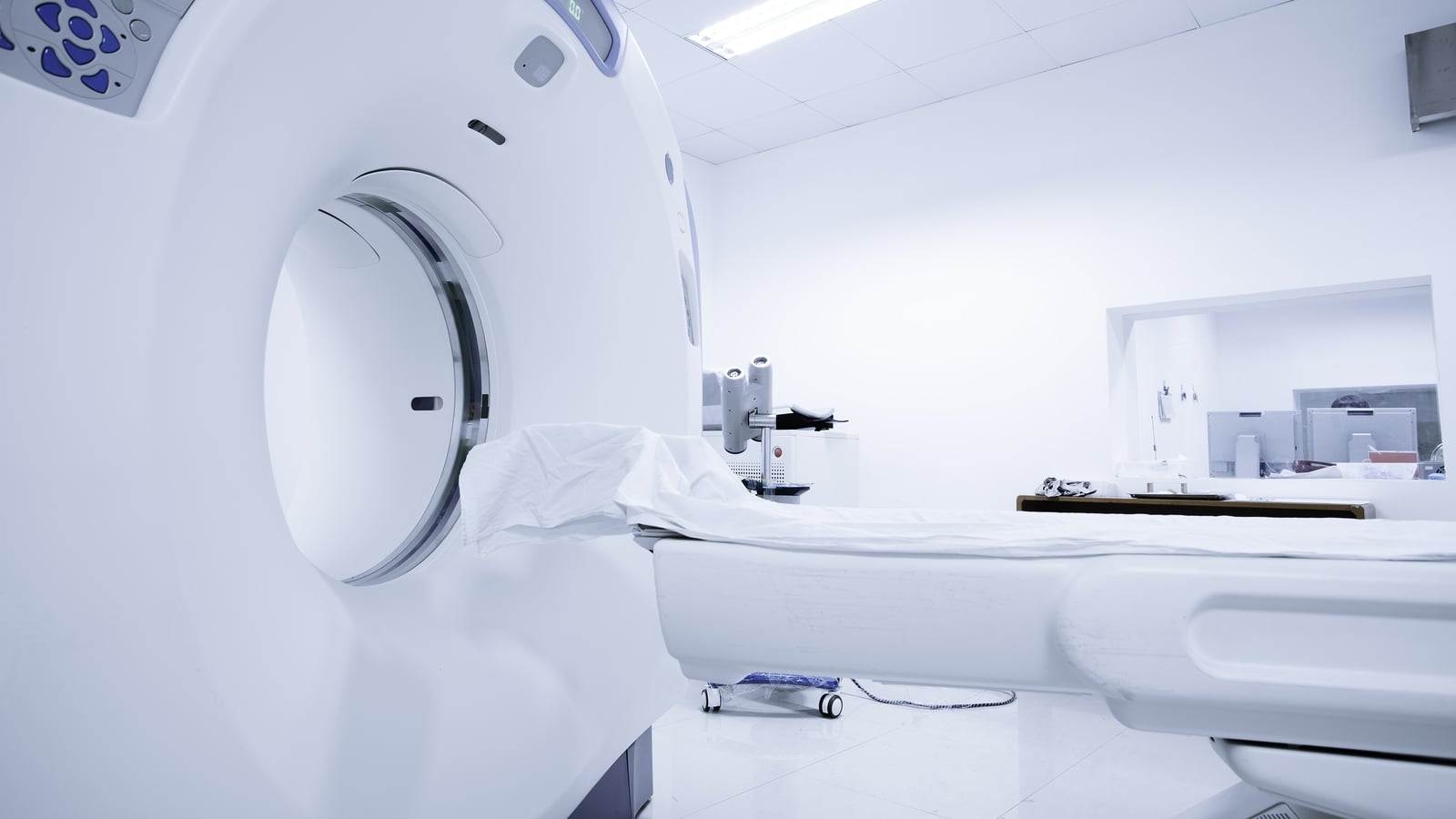
Radiotherapy is one of the most important tools in modern cancer treatment, used in approximately half of all cancer cases either as a primary treatment or in combination with surgery and chemotherapy. The technology relies on linear accelerators — complex, expensive machines that use high-energy radiation to destroy cancer cells while minimising damage to surrounding healthy tissue. Modern linear accelerators are significantly more precise and effective than older models, with advances in image-guided radiotherapy and stereotactic body radiotherapy allowing clinicians to deliver higher doses to tumours with greater accuracy and fewer side effects.
Ireland has been investing in radiotherapy infrastructure over the past decade, with the National Cancer Control Programme overseeing the development of a network of radiotherapy centres across the country. However, the pace of investment has not kept up with the ageing of the existing equipment base, and the warning from cancer experts represents a significant escalation of concerns that have been building within the oncology community for several years.
The issue is compounded by Ireland's relatively late start in developing a comprehensive radiotherapy network. For many years, Irish cancer patients who required radiotherapy had to travel to the UK for treatment — a situation that caused significant hardship for patients and their families. The development of domestic radiotherapy capacity has been a major priority, but the focus on building new capacity has sometimes come at the expense of maintaining and replacing existing equipment.
Key Developments
Cancer experts issued their warning on 7 May 2026, highlighting that more than 80% of Ireland's radiotherapy machines are in immediate or imminent need of replacement. The statement, which was directed at the HSE and the Department of Health, described a "lack of adequate planning" to address the ageing equipment base and called for an urgent capital investment programme to replace the machines before they fail.
The warning comes at a particularly difficult time for the HSE, which is already dealing with a €250 million budget overrun and has implemented a recruitment freeze for some non-frontline roles. The HSE has ordered all health regions to sharply control spending on overtime and agency staff, raising concerns about whether the organisation has the financial headroom to fund the capital investment required to replace the radiotherapy machines.
The cost of replacing a modern linear accelerator is approximately €2-3 million per machine, and Ireland has approximately 40 machines in operation across its radiotherapy centres. Replacing 80% of those machines would require an investment of approximately €64-96 million — a significant sum, but one that is dwarfed by the human cost of allowing the equipment to deteriorate to the point of failure.
Why It Matters
The warning about Ireland's radiotherapy machines matters because cancer is the leading cause of death in Ireland, accounting for approximately 30% of all deaths annually. The quality and availability of radiotherapy treatment is directly linked to survival rates for a wide range of cancers, including breast, prostate, lung, and head and neck cancers. If machines fail or are taken out of service for extended periods due to age-related breakdowns, patients will face longer waiting times, reduced treatment options, and potentially worse outcomes.
Ireland's cancer survival rates have improved significantly over the past two decades, but they remain below the European average for several cancer types. Investment in modern radiotherapy equipment is one of the most cost-effective ways to close that gap — modern machines can treat more patients per day, with better outcomes and fewer side effects, than the older equipment they replace. The failure to invest in replacement equipment is therefore not merely a capital budgeting issue; it is a patient safety issue with direct implications for cancer survival rates.
Local Impact
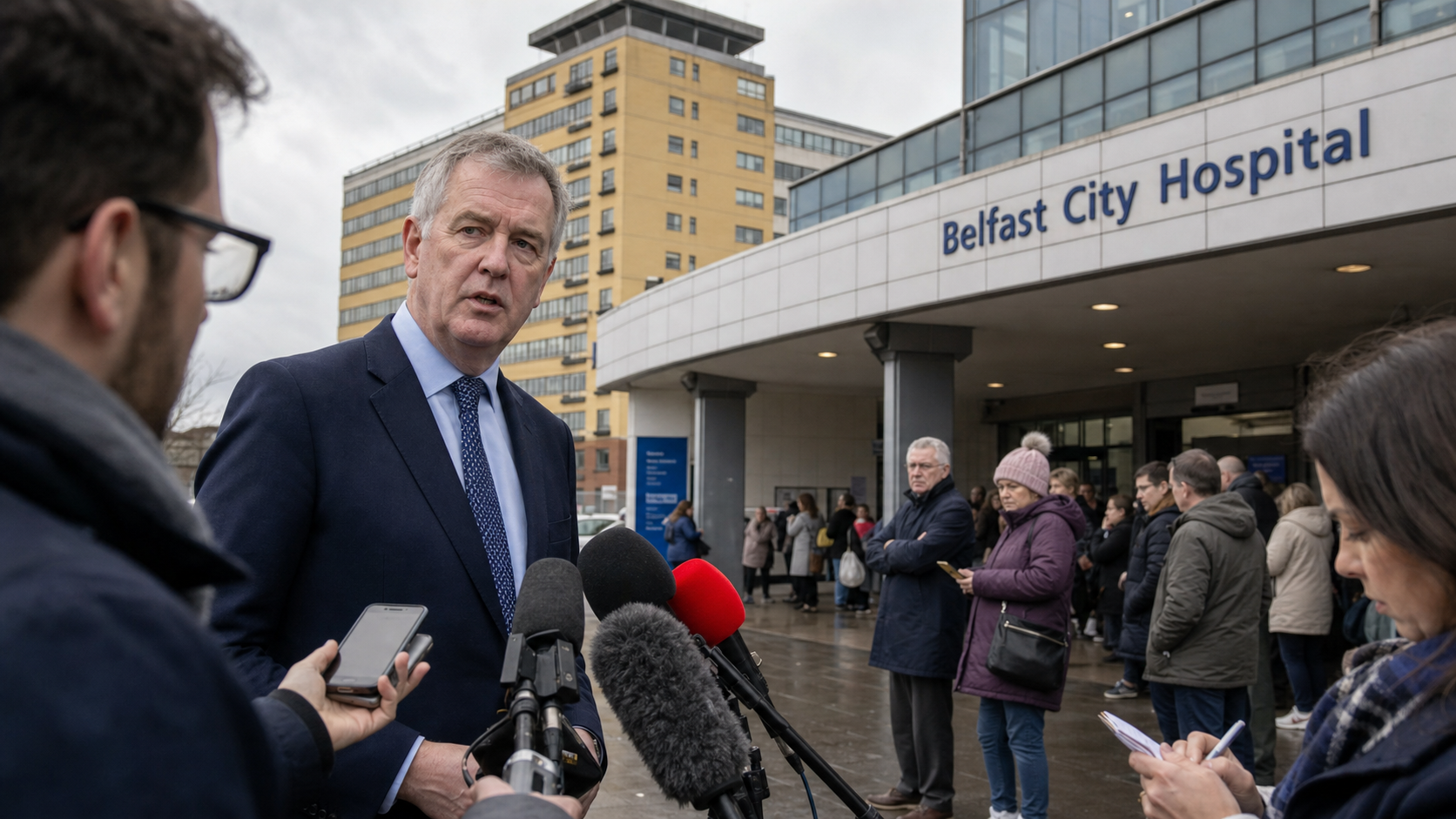
For cancer patients across Ireland — in Dublin, Cork, Galway, Limerick, and the regional centres — the warning about ageing radiotherapy machines is deeply concerning. Patients who are already navigating the stress of a cancer diagnosis should not have to worry about whether the equipment used to treat them is fit for purpose. In Northern Ireland, the situation is different: the Belfast Cancer Centre at Belfast City Hospital operates under the NHS and has its own capital investment programme, but cross-border patients — those who live in border counties and may receive some treatment in the Republic — could be affected by equipment failures in the southern system.
What's Next
The HSE and the Department of Health are expected to respond to the cancer experts' warning in the coming days. A capital investment plan for radiotherapy equipment replacement is urgently needed, and the government will face pressure to include funding for this in the next Budget. Readers should watch for: the HSE's formal response to the warning; any announcement of emergency capital funding for radiotherapy equipment; and whether the issue is raised in the Dáil by opposition parties in the coming weeks.
Sources: RTÉ News — Ireland radiotherapy machines warning; The Irish Times — Irish health news