Oil Prices Surge Past $100 as Iran Closes Strait of Hormuz, Fuel Shortages Loom
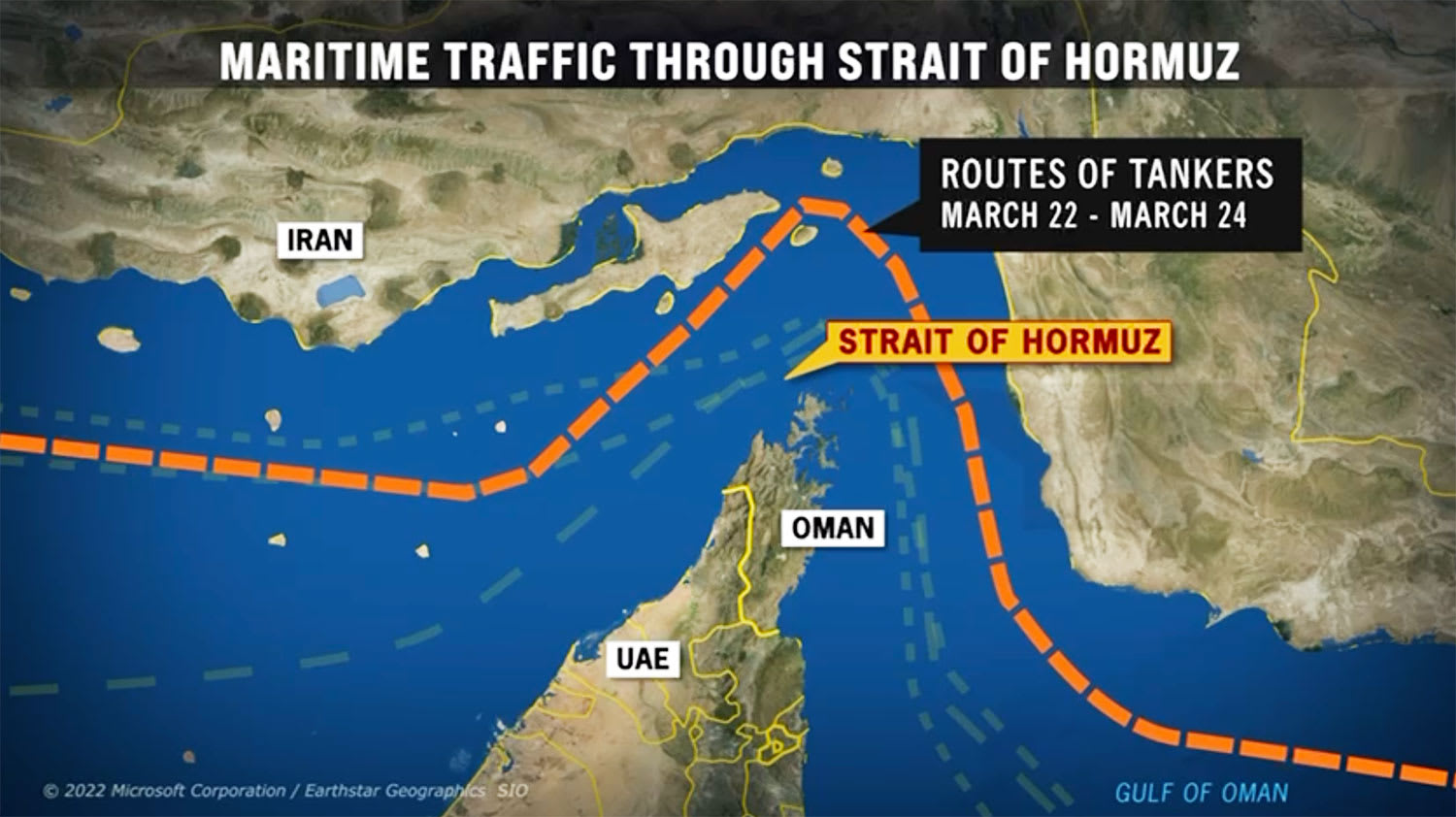
London/New York — Global oil markets are in crisis as Iran's closure of the Strait of Hormuz has removed approximately 8 to 10 million barrels of oil per day and 20% of the world's liquefied natural gas supply from circulation, sending prices soaring past $100 per barrel and threatening widespread fuel shortages that oil executives warn will soon be felt at petrol stations across Europe and beyond.
Background
The Strait of Hormuz, a narrow waterway between Iran and Oman, is the world's most critical oil chokepoint. Approximately 20% of global oil trade — and a fifth of the world's liquefied natural gas — passes through it daily. Iran's decision to close the strait on 4 March 2026, in retaliation for US-Israeli strikes on its nuclear facilities, was always going to trigger a global energy crisis. The scale of that crisis has nonetheless shocked markets and governments alike.
Since the Iran-Israel conflict began on 28 February 2026, US crude oil prices have surged 49% to $99.64 per barrel, while the international benchmark Brent has soared over 55% to $112.57 per barrel. The speed and severity of the price movement reflects not merely speculation but a genuine physical supply crisis: the molecules that power the global economy are simply not reaching their destinations. Asia has been the first region to feel the full impact, with China banning oil product exports and Thailand rationing gasoline. Europe is expected to experience significant shortages by April.
The crisis has been compounded by the entry of Houthi rebels into the conflict, which threatens the Bab al-Mandab Strait — a second critical chokepoint for global shipping that handles 12% of seaborne-traded oil. If both straits remain closed simultaneously, the global energy supply chain could face disruption on a scale without modern precedent.
Key Developments
The world's leading oil executives have been unusually blunt in their assessments of the crisis. ConocoPhillips CEO Ryan Lance warned: "You just can't take 8 to 10 million barrels a day of oil and 20 or so percent of the liquefied natural gas market off the world stage without having some significant repercussions." Shell CEO Wael Sawan emphasised that the crisis goes beyond price speculation: "I hear and I read a lot about talks about prices and the like, all interesting, but it's physical flows that matter. Our customers need the molecules, need the electrons."
TotalEnergies CEO Patrick Pouyanné issued perhaps the starkest warning: "The crisis begins to impact really the customers... All will depend on how long this conflict will last. I hope it will not be too long. Otherwise we will have very, very dramatic consequences." Kuwait Petroleum Corporation CEO Sheikh Nawaf al-Sabah characterised the situation in geopolitical terms: "This is an attack not only against the Gulf, but it is an attack that is holding the world's economy hostage." The shortages are expected to hit in stages, beginning with jet fuel, followed by diesel and gasoline. Despite the blockade, Iran has agreed to a UN request to allow humanitarian aid and agricultural shipments to pass through the strait, offering a small measure of relief.
Why It Matters
The oil price surge and looming fuel shortages represent the most direct economic consequence of the Iran conflict for ordinary people around the world. Unlike the geopolitical manoeuvring in Islamabad or the military posturing in the Gulf, rising petrol prices and potential fuel rationing will be felt in every household, every business, and every supply chain. The speed of the price movement — a 49% surge in US crude in less than a month — has already exceeded the oil shocks of the 1970s in terms of velocity, if not yet in absolute terms. Central banks across the world are now grappling with the inflationary implications of sustained high energy prices, and governments are under intense pressure to release strategic reserves and accelerate the transition to alternative energy sources. The crisis has also exposed the fragility of a global economy that remains deeply dependent on a handful of critical maritime chokepoints.
Local Impact
For households across the UK and Northern Ireland, the oil price surge is already translating into higher costs at the petrol pump and in home heating bills. Northern Ireland is particularly exposed: unlike the rest of the UK, a significant proportion of homes in the province rely on heating oil rather than mains gas, making them directly vulnerable to crude oil price movements. Petrol prices across Belfast and the wider province have risen sharply since the conflict began, adding to the cost-of-living pressures that have already stretched household budgets to breaking point. The UK government has been in discussions with allies about coordinated releases from strategic petroleum reserves, and there is growing pressure on Westminster to provide targeted support for the most vulnerable households if the crisis continues into the spring and summer months.
What's Next
The trajectory of oil prices will depend almost entirely on the duration of the Strait of Hormuz closure and the success of diplomatic efforts to achieve a ceasefire. A temporary two-week ceasefire agreed on 8 April 2026 offered some relief, but the underlying conflict remains unresolved and the strait has not fully reopened to commercial traffic. Oil executives are warning that even a partial reopening will take weeks to translate into normalised supply flows, given the disruption to shipping schedules and the depletion of inventories across the supply chain. For consumers and governments alike, the message is clear: the energy crisis triggered by the Iran conflict will not be resolved quickly, and its economic consequences will be felt long after the guns fall silent.
Sources: CNBC | Wikipedia — 2026 Strait of Hormuz Crisis | House of Commons Library