NTA Confirms Public Transport Fare Hikes of Up to 35% from January 2027 as Opposition Demands Reversal
The National Transport Authority has confirmed that bus and rail fares across Ireland will increase by up to 35% from January 2027, ending the pandemic-era fare reductions that had made Irish public transport among the cheapest in Europe and drawing fierce criticism from opposition parties, commuter groups, and environmental campaigners. Taoiseach Micheál Martin has defended the increases as a necessary step toward sustainable funding for public transport, but former Green Party leader Eamon Ryan has accused the government of making "political choices against public transport" at a time when climate targets demand a shift away from private car use.
Background
Ireland's public transport fares were significantly reduced during the pandemic, as the government sought to encourage a return to public transport and to make it more competitive with the private car. The reductions, which were introduced in 2022 and extended several times, brought Irish fares to some of the lowest levels in Europe relative to income, and contributed to a significant increase in passenger numbers on Dublin Bus, Irish Rail, and Luas services.
The National Transport Authority has been warning for some time that the fare reductions were not financially sustainable without continued government subsidy, and that the cost of maintaining them was growing as operating costs — particularly fuel and wages — increased. The NTA's annual report for 2025 noted that the gap between fare revenue and operating costs had widened significantly, and that without either fare increases or additional government funding, the authority would face difficult choices about service levels.
The government's decision to allow fares to increase rather than provide additional subsidy reflects a broader fiscal calculation: with public expenditure already rising faster than revenue, the government is reluctant to commit to open-ended subsidies for public transport fares. The NTA has argued that the increases are necessary to put public transport funding on a sustainable footing, and that the alternative — cutting services — would be worse for passengers and for the environment.
Key Developments
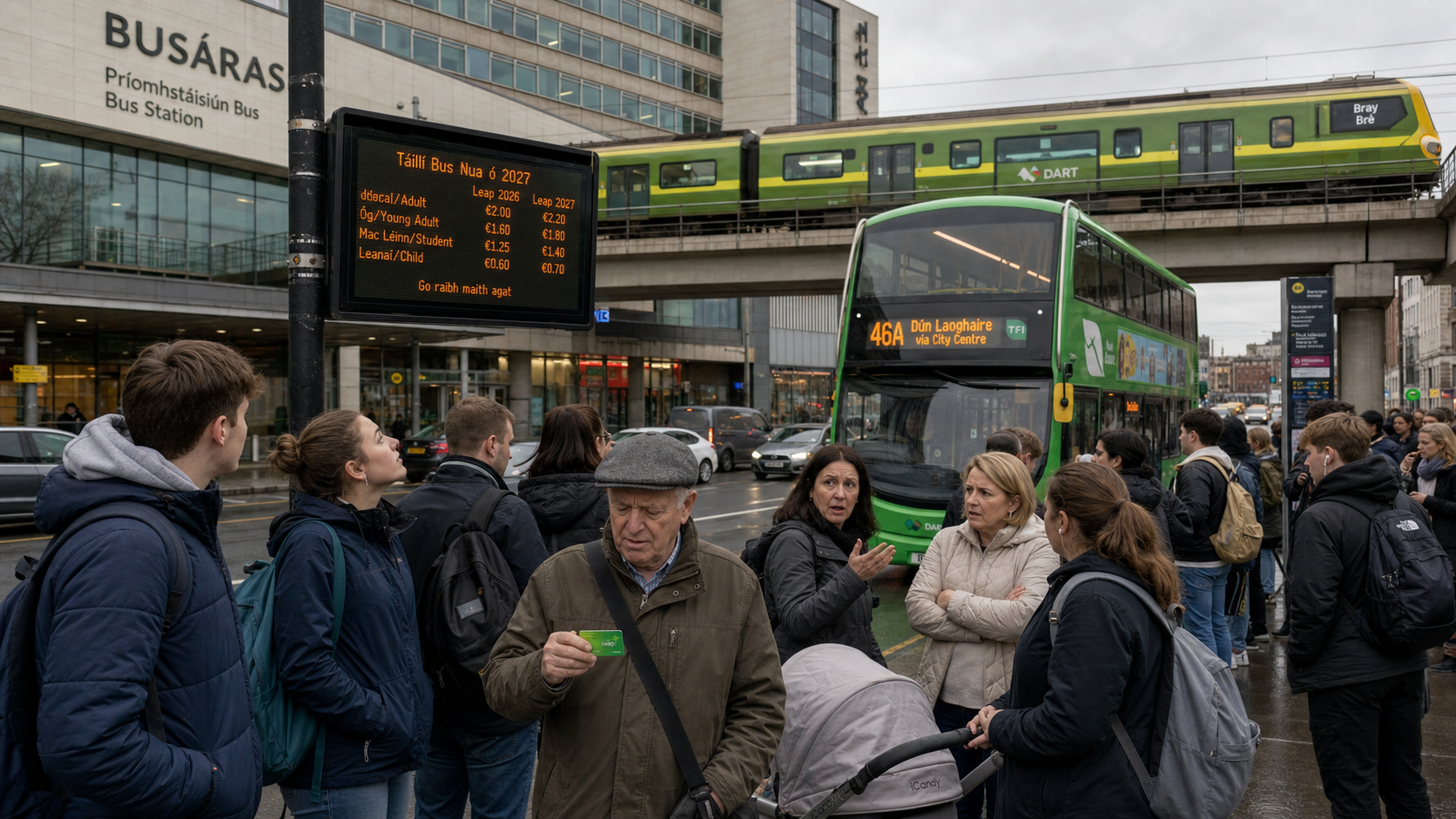
The NTA confirmed on 3 September that adult fares on bus and rail services will increase by an average of 15%, with some routes seeing increases of up to 35%, from January 2027. The increases will affect Dublin Bus, Bus Éireann, Irish Rail, and Luas services, as well as the integrated Leap Card system. Young adult and student fares will also increase, though by a smaller percentage than adult fares. Free travel for over-66s and people with disabilities will not be affected.
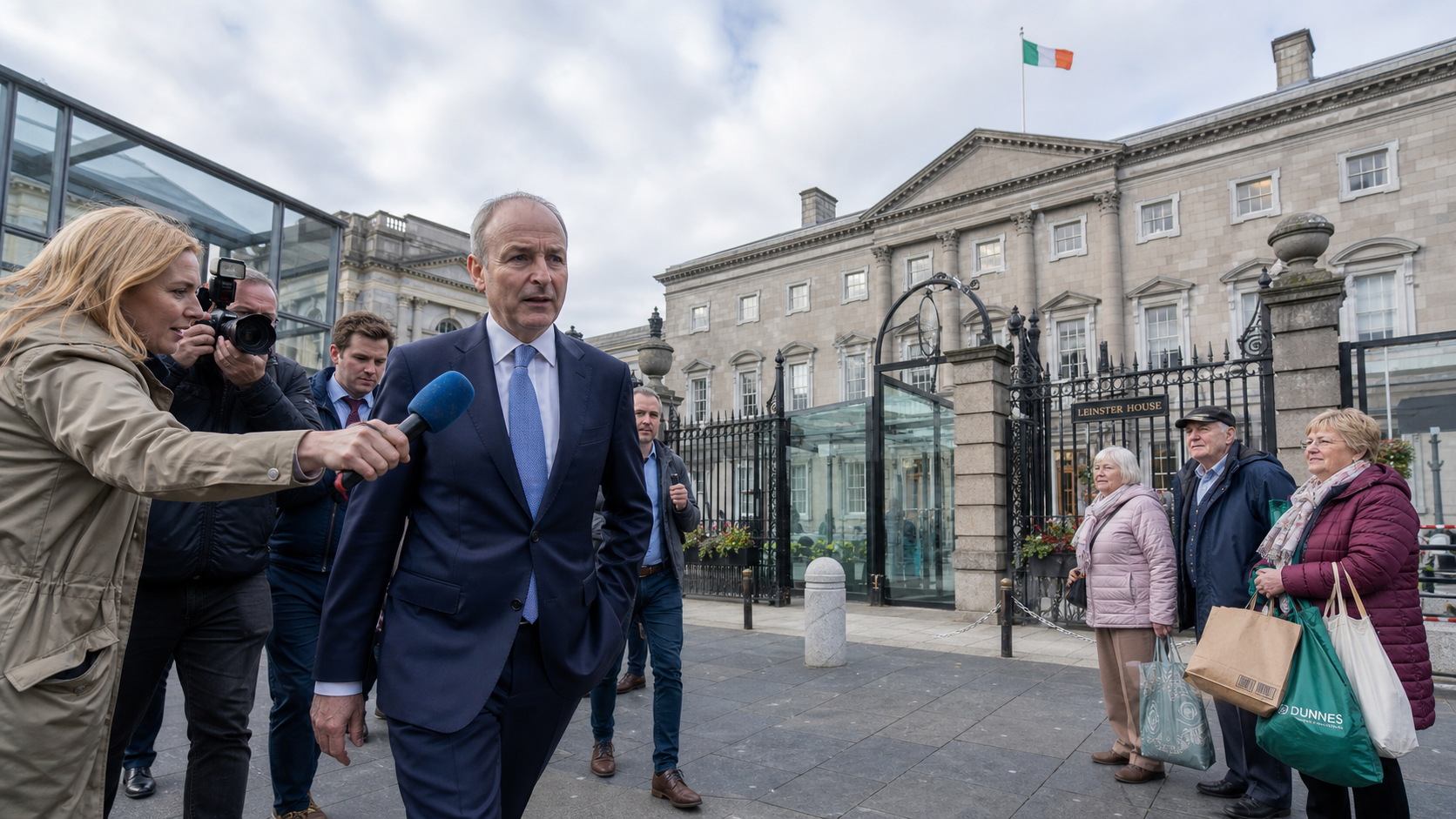
Taoiseach Micheál Martin defended the increases at a press conference on Thursday, saying that the government had invested significantly in public transport over the past five years and that fare revenue needed to make a greater contribution to the cost of running the network. He declined to rule out further increases in future years if operating costs continued to rise.
Eamon Ryan, the former Green Party leader who served as Minister for Transport in the previous government, was sharply critical of the decision, saying that the fare increases were "political choices against public transport" that would push commuters back into their cars and undermine Ireland's climate commitments. Sinn Féin transport spokesperson Darren O'Rourke called on the government to reverse the decision, arguing that public transport should be treated as a public good rather than a commercial service.
Why It Matters
The fare increases matter for several reasons. First, they will directly affect the household budgets of the hundreds of thousands of people who rely on public transport to get to work, school, and college. For a commuter travelling daily from Drogheda to Dublin by train, the increase could add several hundred euro to their annual transport costs. Second, the increases risk reversing the modal shift toward public transport that the pandemic-era fare reductions helped to achieve. If commuters return to their cars in significant numbers, the environmental and congestion benefits of the investment in public transport infrastructure will be partially offset. Third, the increases are politically significant: they represent a reversal of a policy that was popular with the public and that had cross-party support, and they will be a live issue in the run-up to the local elections in May 2027.
Local Impact
In Dublin, the fare increases will be felt most acutely by commuters on the outer suburban rail network — the lines to Maynooth, Drogheda, Gorey, and Newbridge — where journey times are long and the alternatives to public transport are limited. In Cork, the increases will affect users of the new commuter rail service that was expanded in 2024, potentially undermining the investment made in growing that network. In Galway, where Bus Éireann is the primary public transport option for most residents, the increases will add to the cost of living pressures already being felt by students and workers in the city. The NTA has indicated that it will publish a detailed breakdown of the fare changes by route and service in the coming weeks, allowing passengers to calculate the specific impact on their journeys.
What's Next
The NTA will publish the full schedule of fare changes in October, with the new fares taking effect from 1 January 2027. The Oireachtas Transport Committee is expected to invite the NTA and the Minister for Transport to appear before it to explain the decision, and opposition parties have indicated that they will seek a Dáil debate on the matter. The government's pre-Budget submission from the NTA, which sets out the funding requirements for public transport in 2027, is expected to be published alongside the Budget on 14 October.