Major Fall in Waiting Lists as Elective Care Investment Bears Fruit
Northern Ireland's healthcare waiting lists have fallen by 67 per cent following an £80 million investment in elective care, according to new figures published by the Department of Health. The dramatic reduction, which has been described as the most significant improvement in waiting times in a generation, represents a major milestone in the effort to address one of the most persistent problems in Northern Ireland's health service.
The figures show that the number of patients waiting more than two years for a first outpatient appointment has fallen from a peak of more than 100,000 to fewer than 35,000 over the past 18 months. The number waiting more than a year for inpatient or day case treatment has also fallen significantly, with the total waiting list now standing at its lowest level since before the Covid-19 pandemic.
The Investment Programme
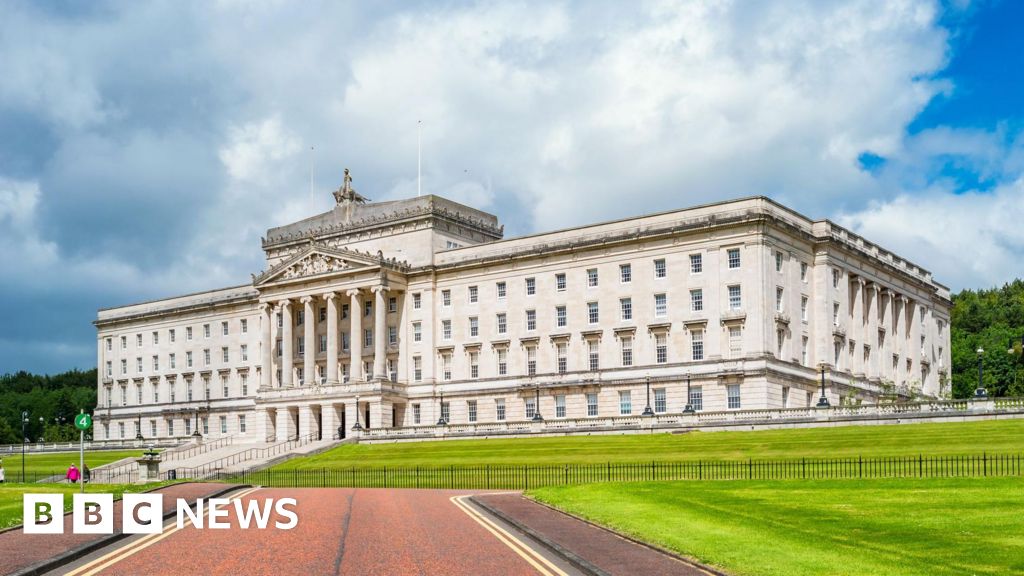
The improvement has been driven by a targeted investment programme that has funded additional capacity in the independent sector, extended working hours at NHS facilities, and the recruitment of additional clinical staff. The programme, which was announced by the Stormont Executive in late 2024, was designed to address the backlog of cases that had built up during the pandemic and to make progress towards the Executive's target of eliminating waits of more than a year by 2027.
Health Minister Mike Nesbitt said the figures were "genuinely encouraging" and represented a significant step forward for patients who had been waiting far too long for treatment. "Every number on these waiting lists is a person — someone who is in pain, or anxious, or whose quality of life is being affected by their condition," he said. "The progress we have made is real and meaningful, but we know there is still a long way to go."
Specialties Showing the Greatest Improvement
The greatest reductions in waiting times have been seen in orthopaedics, ophthalmology, and general surgery — three of the specialties that had the longest waits before the investment programme began. In orthopaedics, the number of patients waiting more than two years for a hip or knee replacement has fallen by more than 70 per cent, with many patients who had been waiting since before the pandemic now having received their operations.
Ophthalmology has also seen significant improvements, with the backlog of cataract operations — which had grown to alarming levels during the pandemic — now substantially reduced. The use of independent sector capacity, including private hospitals and treatment centres, has been particularly important in this specialty, where the procedures are relatively straightforward and can be performed efficiently in high-volume settings.
Challenges Remaining
Despite the progress, significant challenges remain. Mental health services continue to face severe pressures, with waiting times for child and adolescent mental health services (CAMHS) and adult community mental health teams remaining unacceptably long. The Department of Health has acknowledged that mental health has not benefited from the elective care investment to the same extent as physical health services, and has committed to developing a specific programme to address mental health waiting times.
Cancer services have also been under pressure, with the number of patients waiting more than 62 days from urgent referral to treatment remaining above the target level. The Department has indicated that additional investment in cancer services is planned for the coming year.
Patient Reaction
Patient groups have welcomed the improvement in waiting times but have cautioned against complacency. The Patient and Client Council, which represents the interests of health service users in Northern Ireland, said that while the figures were encouraging, it was important that the progress was sustained and that the investment in elective care was maintained.
For the thousands of patients who have now received the treatment they were waiting for, the improvement is life-changing. Stories of people who have had hip replacements after years of pain, or who have had their sight restored through cataract surgery, illustrate the human impact of the investment programme and the difference that targeted funding can make to people's lives.