Stormont Budget Standoff Deepens as DUP Rejects Finance Minister's Multi-Year Plan
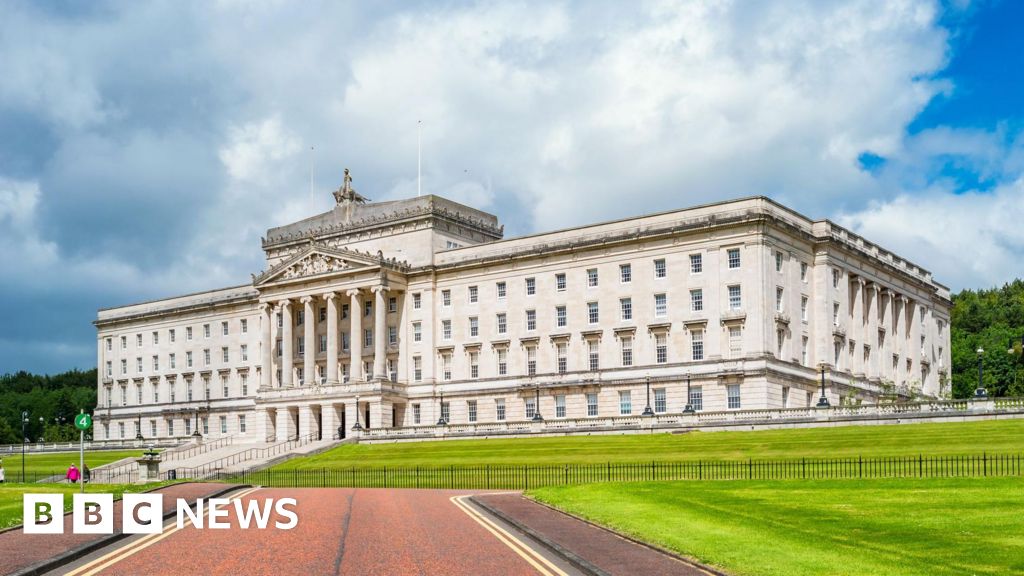
The Northern Ireland Executive is facing a potentially serious political stalemate over its finances, with Finance Minister John O'Dowd's draft multi-year budget plan drawing fierce opposition from the DUP and raising concerns across the other Executive parties. The DUP has described the plan as "flawed" and published without proper Executive consensus, while Education Minister Paul Givan has warned that the proposed allocations would force "massive cuts and redundancies" in his department. The dispute lays bare the structural fiscal challenges facing Stormont and the difficulty of managing them within a power-sharing framework that requires cross-community agreement.
Background
Northern Ireland's public finances have been in a state of chronic difficulty for several years. The region receives a block grant from Westminster under the Barnett formula, but this has consistently fallen short of what the Executive believes is needed to maintain public services at an acceptable level. The health service, in particular, has been operating under severe financial pressure, with waiting lists that are the longest in the United Kingdom and a workforce crisis that shows no sign of abating.
The introduction of multi-year budgeting — a departure from the annual budget cycles that have historically made long-term planning difficult — was intended to provide greater stability and allow departments to plan more effectively. Finance Minister John O'Dowd, a Sinn Féin MLA from Armagh, has been working on the draft plan for several months, consulting with departments and attempting to build consensus within the Executive. The publication of the draft, however, has exposed the depth of the disagreements that remain.
The DUP's position is complicated by its own history with the Executive. The party collapsed the institutions twice in recent years — first over Brexit and the Northern Ireland Protocol, and then over the Windsor Framework — and its return to power-sharing in 2024 was conditional on a series of commitments from the UK government. The party is acutely sensitive to any suggestion that it is being outmanoeuvred within the Executive, and its rejection of the budget plan reflects both genuine policy disagreement and political positioning.
Key Developments
The DUP issued a formal statement on June 11 describing O'Dowd's draft multi-year budget as "flawed" and asserting that it had been published without the agreement of the full Executive. Education Minister Paul Givan was particularly vocal, warning that the proposed allocations for his department would necessitate "massive cuts and redundancies" — a claim that O'Dowd's department has disputed, arguing that the plan represents a fair distribution of available resources.
The budget proposes annual increases to both domestic and non-domestic rates as a mechanism for raising additional revenue, a measure that has drawn criticism from business groups and some community organisations who argue it will place an unfair burden on households and small businesses already struggling with the cost-of-living crisis. The Ulster Unionist Party and the Alliance Party have also expressed reservations about aspects of the plan, though neither has adopted the DUP's position of outright rejection.
Finance Minister O'Dowd has defended the plan as the best available option given the constraints of the block grant settlement, arguing that the alternative — continuing with annual budgets that make long-term planning impossible — is worse for public services than the imperfect multi-year framework he has proposed. He has called on all Executive parties to engage constructively with the consultation process rather than rejecting the plan outright.
Why It Matters
The budget dispute matters because it goes to the heart of how Northern Ireland is governed. The power-sharing institutions created by the Good Friday Agreement require the main parties to work together in an Executive, but they do not require those parties to agree on policy. The result is a system that can produce political deadlock even when the institutions are formally functioning — a situation that has real consequences for the delivery of public services.
The specific context of this dispute — a multi-year budget intended to provide stability — makes the DUP's rejection particularly significant. If the Executive cannot agree on a framework for managing its finances over the medium term, it will be forced to continue with the annual budget cycles that have made strategic planning so difficult. This is not merely a political problem; it has direct implications for the health service, the education system, and the infrastructure projects that Northern Ireland needs to develop its economy.
For context, the Republic of Ireland operates a multi-year National Development Plan that provides a framework for capital investment over a ten-year period. The contrast with Northern Ireland's inability to agree even a multi-year revenue budget illustrates the governance challenges that the power-sharing system creates.
Local Impact
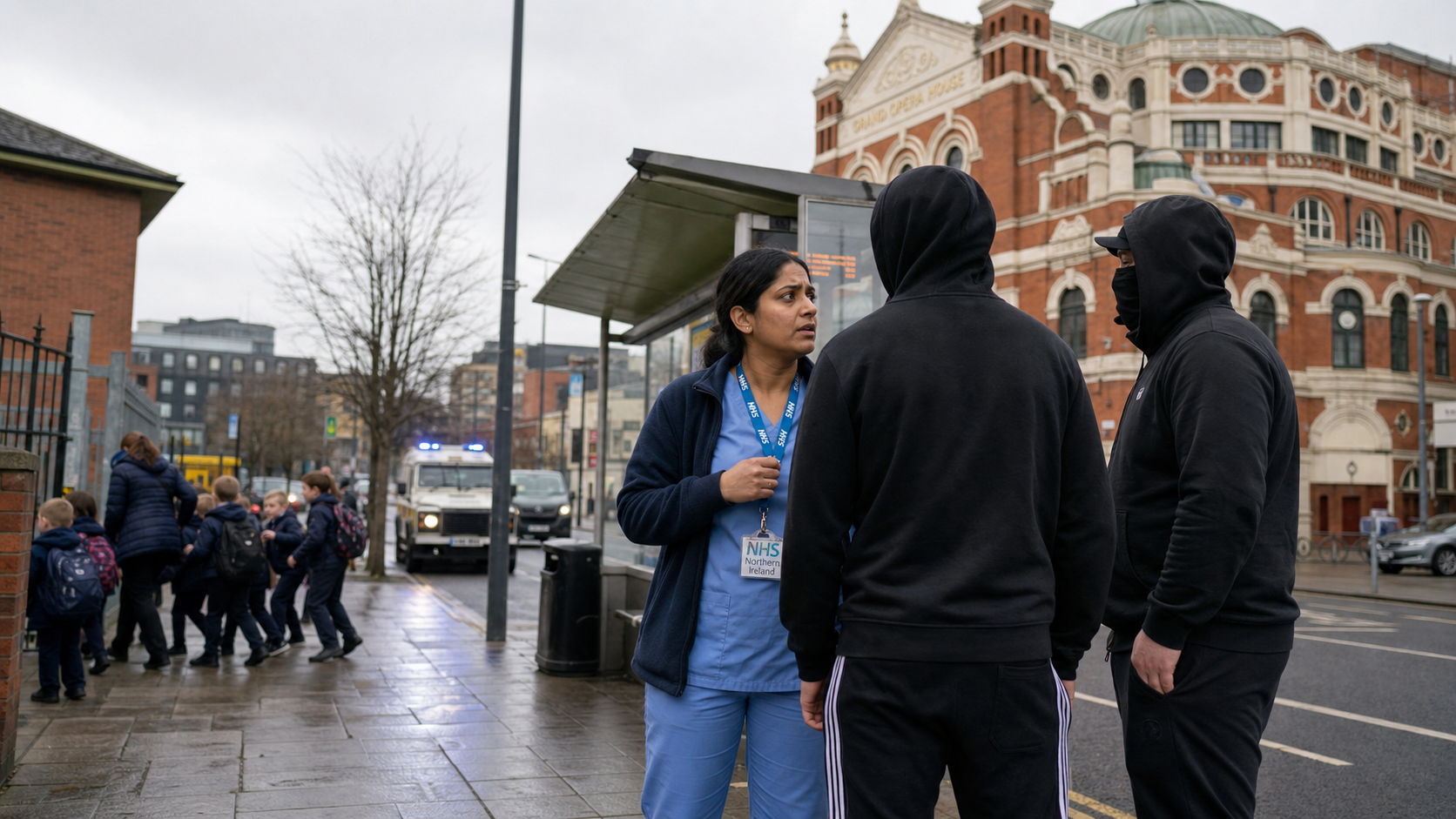
The practical implications of the budget dispute are felt most acutely in the departments that are most dependent on public funding. The education sector — which includes schools across all 11 council areas, from Belfast City Council to Derry City and Strabane District Council — is facing significant uncertainty about its funding for the next three years. School principals and governors have been warning for months that they cannot plan effectively without a settled budget, and the DUP's rejection of the multi-year plan extends that uncertainty.
The health service is in an even more precarious position. The five Health and Social Care trusts have been operating under financial pressure for years, and the prospect of further cuts — which the DUP's rejection of the budget plan makes more likely — has prompted the trust chairs to issue their own warning about "catastrophic" impacts on services. Patients across Northern Ireland, from those waiting for elective procedures to those dependent on domiciliary care, will be directly affected by the outcome of this political dispute.
What's Next
Finance Minister O'Dowd has indicated he will continue to engage with Executive parties in an attempt to build consensus around the multi-year budget framework. A formal Executive meeting to discuss the plan is expected in the coming weeks. If agreement cannot be reached, O'Dowd has indicated he may proceed with a modified version of the plan, though this would risk further political conflict with the DUP. The UK government is also watching the situation closely, with Treasury officials monitoring whether the Executive's fiscal difficulties require additional intervention from Westminster.