Calm Returns to Belfast Streets as Police Make 16 Arrests Following Days of Violent Disorder
After two nights of serious rioting that shocked communities across Northern Ireland and drew condemnation from governments in London, Dublin, and beyond, the streets of Belfast were largely quiet on the night of June 11 as the PSNI maintained a significant and visible presence across flashpoint areas. Sixteen arrests have been made in connection with the disorder, twelve police officers have been injured, and the human cost — measured in displaced families, intimidated workers, and cancelled public events — continues to mount even as the immediate violence subsides.
Background
The unrest that gripped Belfast over the preceding days was triggered by a knife attack in North Belfast on June 8, in which a man was seriously injured. The suspect, who was subsequently remanded in custody, had travelled from Dublin, a detail that was seized upon by some commentators and political figures to make broader arguments about immigration and border security. Within hours, social media was amplifying inflammatory content, and by the evening of June 9, groups had gathered in several parts of Belfast to engage in what police described as orchestrated disorder.
The scenes that followed were among the most serious in Belfast since the flag protests of 2012-13. Properties were attacked, vehicles were set alight, and a Glider bus — one of the flagship public transport investments of recent years — was hijacked and burned on the Newtownards Road. Homes in areas with significant minority ethnic populations were targeted, and approximately 200 people, including children, were displaced from their homes. The disorder spread beyond Belfast to other parts of Northern Ireland, including Newtownabbey, where water cannons were deployed.
Northern Ireland has experienced periodic outbreaks of civil disorder since the Good Friday Agreement, but the explicitly racist character of this week's violence marked it as something qualitatively different from the sectarian tensions that have historically defined the region's conflicts. The targeting of minority ethnic communities — many of them long-established residents with deep roots in Belfast — represented a new and deeply troubling dimension to the city's ongoing challenges.
Key Developments
By the night of June 11, the situation had stabilised significantly. Small groups gathered in some flashpoint areas, but no major incidents were reported after 10:00 PM. The PSNI maintained what it described as a "robust" presence, with officers deployed across the Newtownards Road, the north of the city, and other areas that had seen disorder in previous nights. Assistant Chief Constable Bobby Singleton briefed media on the overnight situation, confirming that the 16 arrests made to date covered a range of offences including riot, arson, and assault on police.
Secretary of State for Northern Ireland Hilary Benn was unequivocal in his condemnation, describing the violence as "racist thuggery" and stating that those responsible would face "the full force of the law." First Minister Michelle O'Neill and Deputy First Minister Emma Little-Pengelly issued a joint statement condemning the attacks as "disgusting cowardice," a rare display of cross-community unity from the Executive's two leaders. The statement was notable for its directness and its explicit framing of the violence as racist rather than merely criminal.
Police are also investigating the circulation of what has been described as a "hit list" of addresses on social media — a list purportedly identifying properties occupied by minority ethnic families. Officers have warned that sharing such content constitutes a criminal act and have urged the public to report any such material immediately.
Why It Matters
The significance of this week's events extends well beyond the immediate disorder. Northern Ireland has spent nearly three decades building a fragile but genuine peace, and the institutions created by the Good Friday Agreement — the Assembly, the Executive, the cross-border bodies — depend on a degree of social stability that events like this week's riots directly threaten. The fact that the violence was explicitly racist in character raises questions about the integration of minority ethnic communities into Northern Irish society that go beyond the immediate crisis.
There is also a political dimension that will take time to fully unfold. The suggestion by some figures that the Irish border played a role in the events — that the "porousness" of the Common Travel Area enabled the suspect to travel from Dublin — has opened a debate about immigration policy and border management that cuts across the existing fault lines of Northern Irish politics. This is a debate that will not be resolved quickly, and its implications for the relationship between London, Dublin, and Belfast are significant.
For context, this is the third significant outbreak of civil disorder in Belfast in the past five years, following the flag protests of 2021 and the interface tensions of 2023. Each episode has tested the resilience of the peace process and the capacity of the political institutions to respond effectively. The joint statement from O'Neill and Little-Pengelly suggests that the Executive is, at least for now, holding together — but the underlying pressures that produced this week's violence have not been addressed.
Local Impact
The impact on Belfast's communities has been severe and multifaceted. In the east of the city, along the Newtownards Road and in the Short Strand area, residents have spent several nights unable to sleep, with the sounds of disorder audible from their homes. In North Belfast, the New Lodge and Tiger's Bay areas have been on edge, with community workers reporting heightened anxiety among residents of all backgrounds.
Public transport has been significantly disrupted, with Translink suspending Glider services on several routes following the hijacking and burning of a bus. Metro services in affected areas have also been curtailed, leaving residents — many of whom depend on public transport to get to work — without reliable connections. Schools in several parts of the city closed early on June 11 due to safety concerns, disrupting the education of thousands of children.
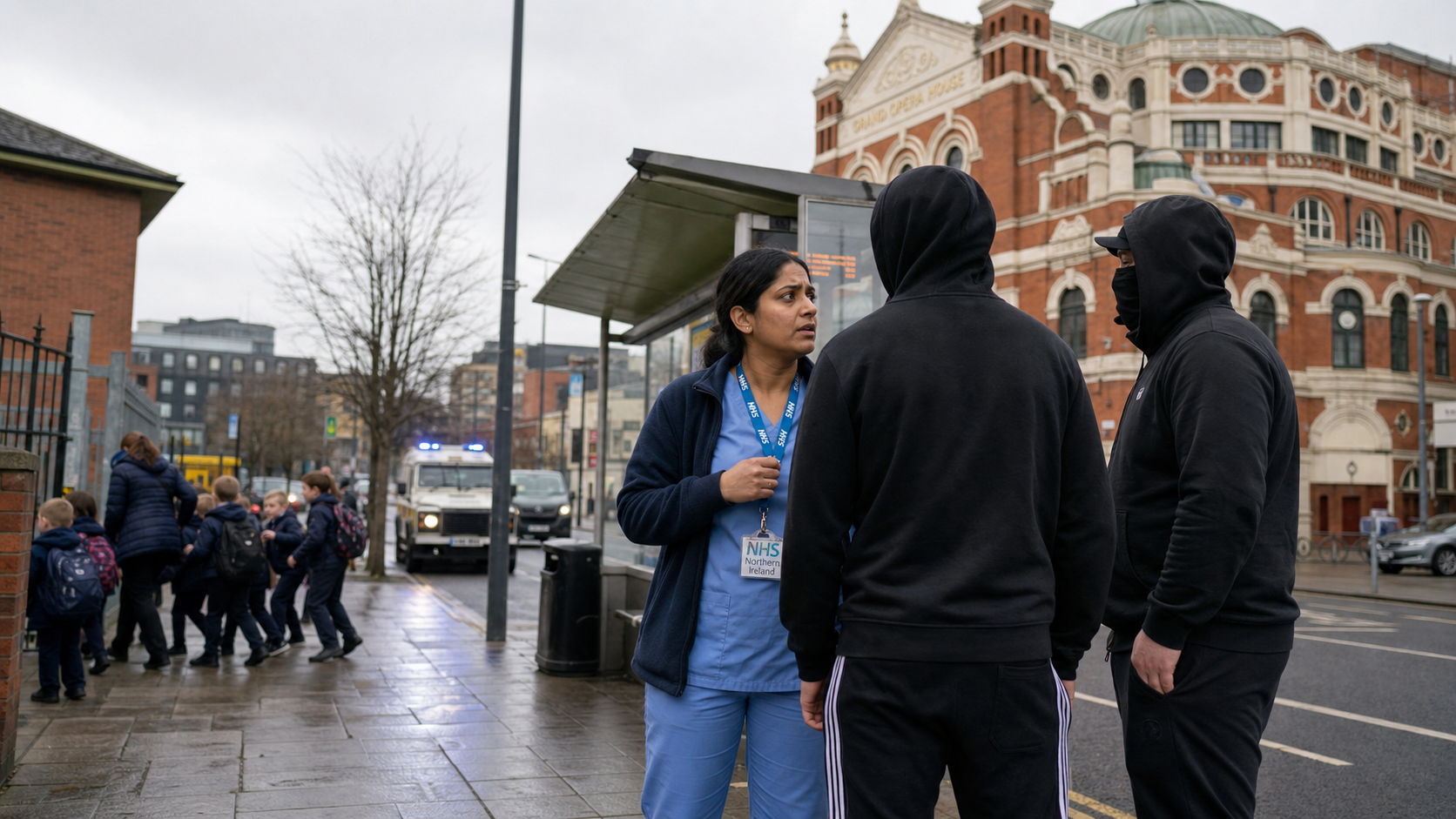
The Grand Opera House cancelled its run of the Mean Girls musical over safety concerns, and several other cultural events in the city centre were postponed or cancelled. The economic impact on Belfast's hospitality and retail sectors — already under pressure from the cost-of-living crisis — is expected to be significant, with footfall in the city centre sharply reduced during the period of disorder.
What's Next
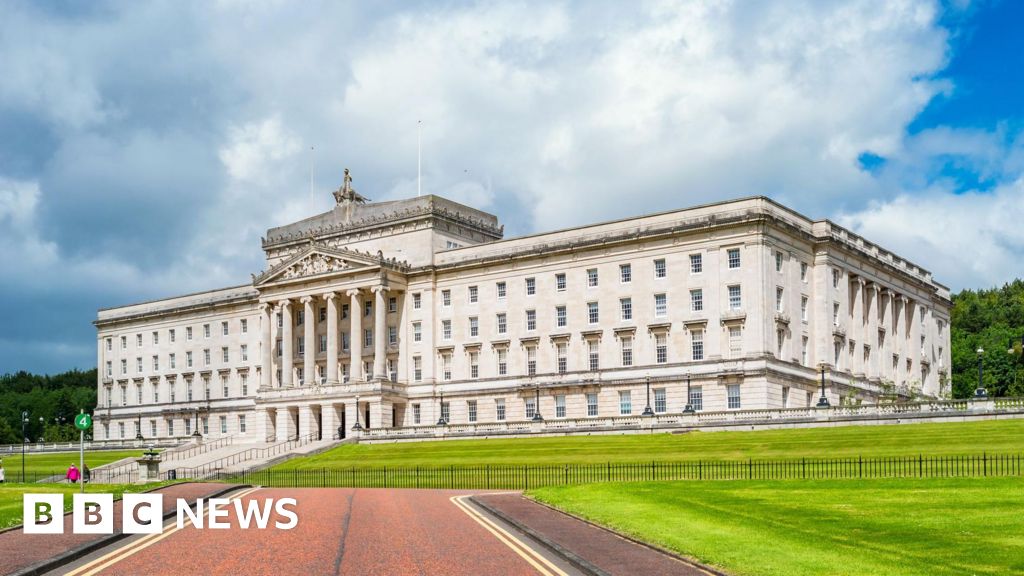
The PSNI has indicated that its investigation into the disorder is ongoing and that further arrests are expected. The Public Prosecution Service will be reviewing files as they are submitted. A Stormont debate on the unrest is expected to take place in the coming days, with all parties having indicated they wish to address the Assembly on the matter. The Executive has also indicated it will convene a special meeting to discuss the community response and the longer-term implications of the violence. Community organisations across Belfast are planning a series of solidarity events over the coming weeks, aimed at demonstrating public rejection of the racism that drove the disorder.