NI Health Trust Chairs Warn of 'Catastrophic' Service Cuts as Stormont Budget Crisis Deepens
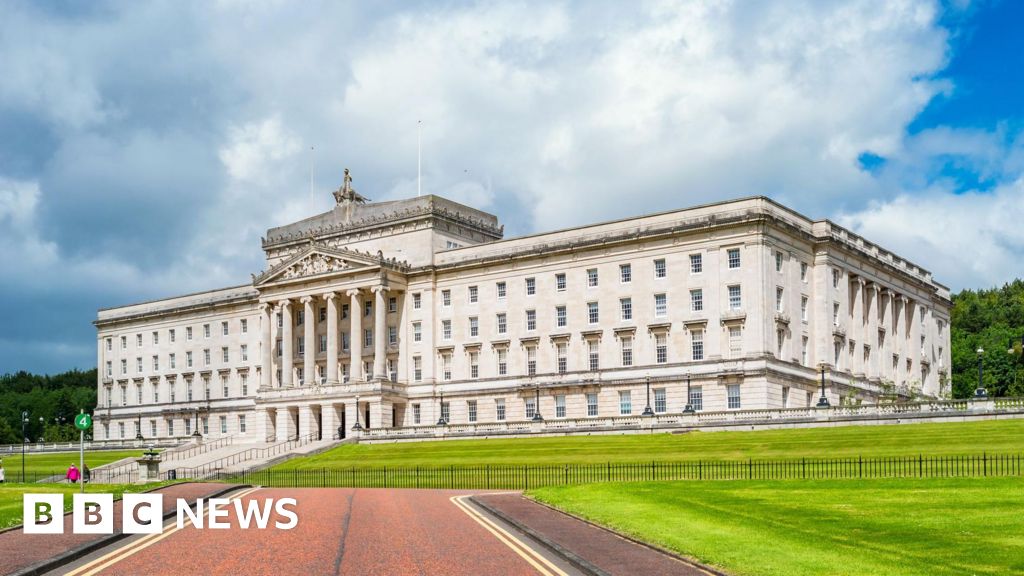
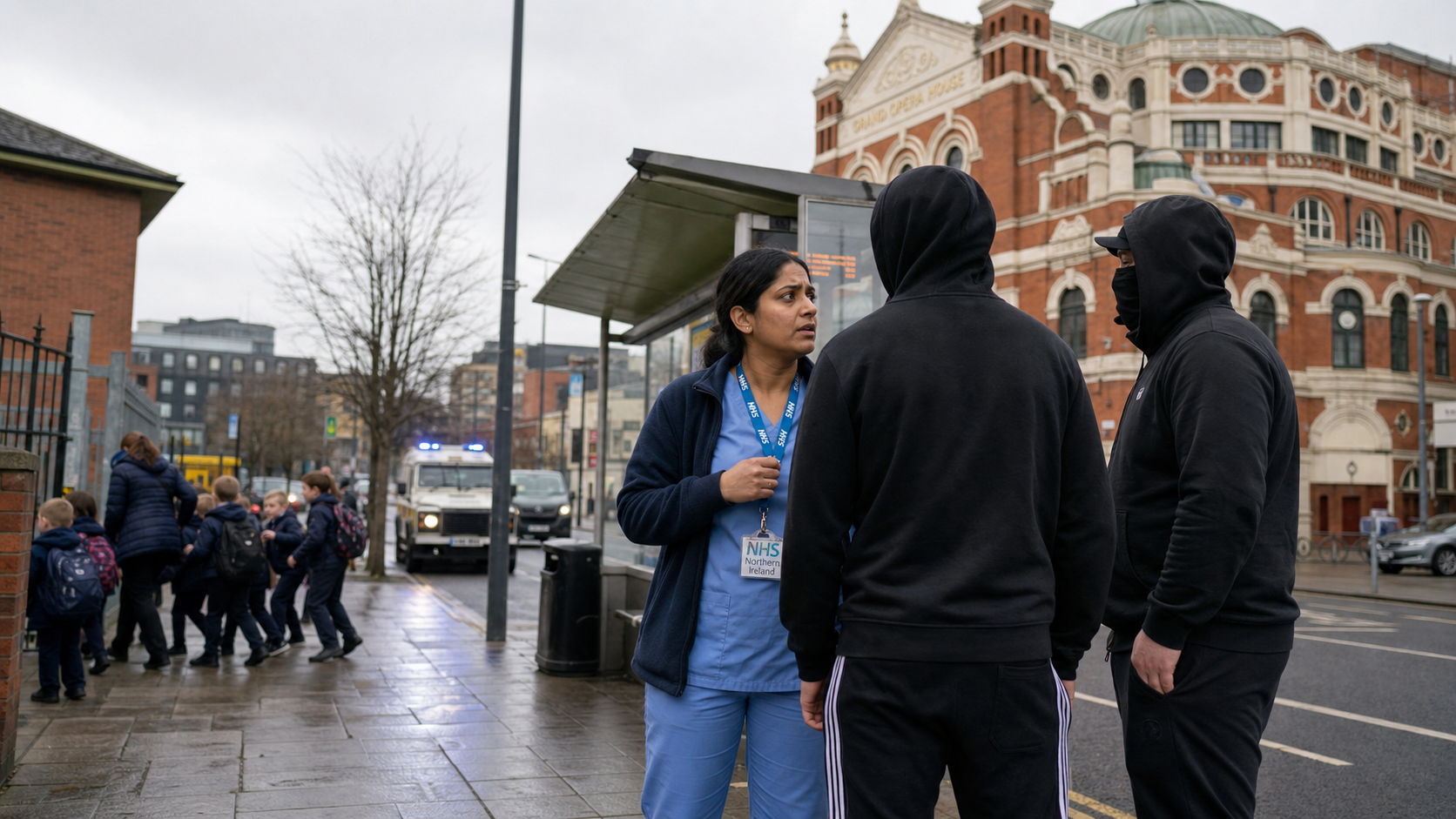
The chairs of Northern Ireland's five Health and Social Care trusts have issued one of the most alarming public warnings in recent memory about the state of the region's health service, telling the Stormont Executive that the current draft budget will have "catastrophic impacts" on the care available to patients across the six counties. The potential consequences outlined include the closure of acute hospital beds, a significant reduction in outpatient appointments, and a sharp reduction in the domiciliary care packages that allow elderly and disabled people to remain in their own homes. Health Minister Mike Nesbitt has responded by stating he will not preside over such cuts — a position that places him in direct conflict with the budget framework proposed by Finance Minister John O'Dowd.
Background
Northern Ireland's health service has been in a state of managed crisis for the better part of a decade. Waiting lists for elective procedures are the longest in the United Kingdom, with hundreds of thousands of patients waiting more than a year for treatment. The workforce is under severe pressure, with vacancy rates in nursing, medicine, and allied health professions running at levels that would be considered a crisis in any comparable health system. The five trusts — Belfast, South Eastern, Southern, Western, and Northern — have been operating under financial pressure that has required them to make difficult decisions about service provision year after year.
The introduction of a multi-year budget was intended to provide some relief from this pressure by allowing trusts to plan over a longer horizon. But the draft plan produced by Finance Minister O'Dowd has, according to the trust chairs, failed to provide the level of funding needed to maintain current services, let alone address the backlog of unmet need that has accumulated over years of underfunding. The chairs' warning is not a negotiating position — it is a clinical assessment of what the proposed budget would mean for patients.
Health Minister Mike Nesbitt, a Ulster Unionist Party MLA, has been one of the most vocal advocates for increased health funding since taking office. His statement that he will not preside over the cuts outlined by the trust chairs is consistent with his public position, but it creates a significant political problem: if the budget is not changed, he will either have to implement cuts he has publicly opposed or resign from the Executive. Neither option is straightforward in a power-sharing system.
Key Developments
The trust chairs delivered their assessment to the Stormont Executive in a series of budget briefings that Nesbitt described as "stunning" in their implications. The specific cuts outlined include the closure of acute hospital beds across the five trusts — a measure that would directly affect the capacity of hospitals including the Royal Victoria, Antrim Area, Craigavon Area, Altnagelvin, and the Ulster Hospital to treat patients. Outpatient appointment capacity would also be reduced, extending already lengthy waiting times for specialist consultations.
The potential reduction in domiciliary care packages is perhaps the most immediately human of the proposed cuts. These packages — which provide support to elderly and disabled people in their own homes, enabling them to live independently — are a critical component of the health and social care system. Their reduction would place additional pressure on families and carers, and would likely result in increased demand for residential care, which is both more expensive and less preferred by most patients.
Nesbitt's response has been to publicly state that he will not implement such cuts, while simultaneously calling on the Finance Minister to revise the budget allocations for health. He has also indicated he will make the case directly to the UK Treasury for additional funding, arguing that Northern Ireland's health needs cannot be met within the current block grant settlement.
Why It Matters
The warning from the trust chairs matters because it comes from the people who are actually responsible for running the health service — not politicians making arguments for electoral advantage, but the governance leaders of the organisations that employ tens of thousands of staff and care for hundreds of thousands of patients. Their assessment of the budget's implications carries a weight that political statements do not.
The situation also illustrates a fundamental tension in Northern Ireland's governance arrangements. The power-sharing Executive is designed to ensure that no single community can dominate decision-making, but it also makes it difficult to resolve disputes between ministers from different parties. When the Finance Minister and the Health Minister are from different parties — Sinn Féin and the Ulster Unionist Party respectively — and hold fundamentally different views about budget priorities, the system has limited mechanisms for resolution short of political crisis.
For context, the Republic of Ireland's health service — which faces its own significant challenges — operates with a budget that has grown substantially in recent years, reflecting the government's commitment to Sláintecare reform. Northern Ireland's health service, by contrast, has seen its real-terms funding eroded by inflation and the failure of the block grant to keep pace with rising costs. The gap between the two systems is widening, with implications for cross-border health cooperation and the all-island health initiatives that both governments have committed to developing.
Local Impact
The impact of the proposed cuts would be felt differently across Northern Ireland's five trust areas. The Western Trust, which serves Derry/Londonderry, Omagh, and the wider west of the region, has historically been the most under-resourced of the five trusts, and any reduction in its budget would have a disproportionate impact on communities that already face significant health inequalities. The Northern Trust, which covers Antrim, Ballymena, Coleraine, and Causeway, has been managing the closure of services at Causeway Hospital for several years and is particularly vulnerable to further cuts.
In Belfast, the trust that bears the city's name is the largest and most complex, managing the Royal Victoria Hospital, the Mater, the Royal Belfast Hospital for Sick Children, and a range of community and mental health services. Any reduction in its acute bed capacity would have immediate and visible consequences for patients across the greater Belfast area, including those who travel from other trust areas for specialist treatment.
What's Next
Health Minister Nesbitt has indicated he will seek an urgent meeting with Finance Minister O'Dowd to discuss the health budget allocations. He has also written to the Secretary of State for Northern Ireland requesting that the UK government consider additional funding for the health service as part of any revised block grant settlement. The trust chairs are expected to present their assessment to the Assembly's Health Committee in the coming weeks. A final budget decision is expected before the end of June, with the multi-year plan intended to take effect from April 2027.