Northern Ireland Pubs and Hotels Face Higher Bills as Business Rates Revaluation Takes Effect
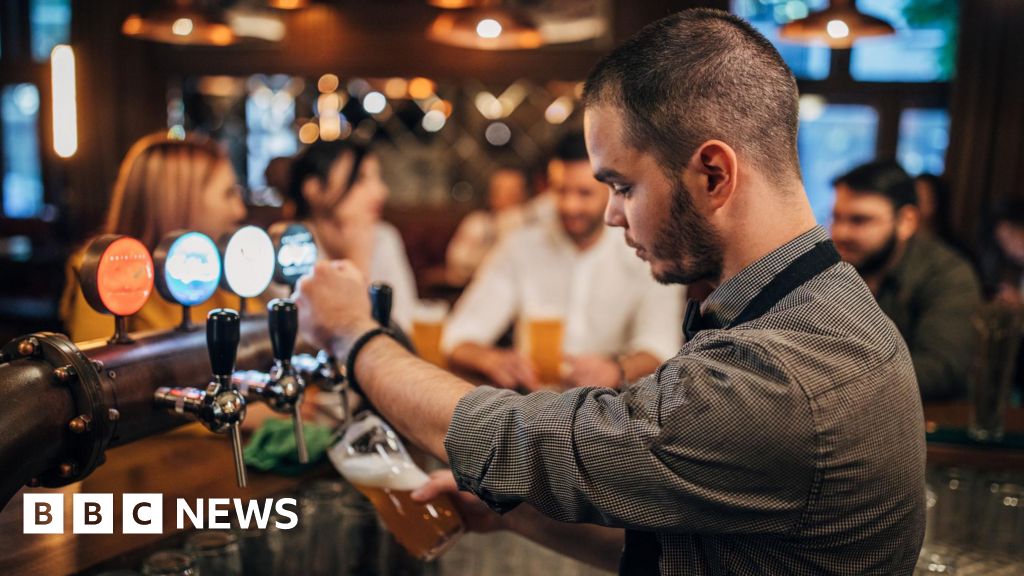
Pubs and hotels across Northern Ireland face significantly higher business rates bills following the Reval 2026 property revaluation, with hotel valuations up an average of 84% and pub valuations up 47% — increases that industry figures have warned could prove devastating for the hospitality sector, prompting Finance Minister John O'Dowd to pause the process in January 2026 after an immediate and unified campaign of opposition from the trade.
The revaluation, conducted by Land and Property Services, updated the Net Annual Value of over 75,000 non-domestic properties in Northern Ireland based on rental values as of April 1, 2024. While the overall average increase across all property types was 15%, the hospitality sector faced increases that dwarfed the Northern Ireland average — with some individual establishments facing proposed NAV hikes of over 300%.
Background
Reval 2026 is a statutory revaluation of non-domestic properties in Northern Ireland, designed to redistribute the rates burden based on updated property market conditions. The previous revaluation was based on rental values from October 2021, a period when the market was still significantly suppressed by the COVID-19 pandemic. Reval 2026 sought to realign valuations with the post-pandemic recovery — but for the hospitality sector, that recovery in headline revenues has been accompanied by a dramatic increase in costs, leaving actual profitability far below pre-pandemic levels.
For specialised properties like pubs and hotels, where direct rental evidence can be scarce, Land and Property Services employs a "fair maintainable trade" methodology, assessing a property's NAV based on its potential turnover and profitability. Hospitality Ulster and other industry voices have heavily criticised this method, arguing that it is detached from the severe economic pressures businesses face — including high inflation, energy costs, and wage bills — which erode actual profitability even as revenues recover.
Key Developments
The draft valuation list published on January 22, 2026, revealed the scale of the proposed increases. Among the most dramatic individual cases: Kelly's Cellars in Belfast faced a proposed NAV increase from £47,600 to £210,500 — a 342% surge. Bittle's Bar faced a proposed 202% increase, The Garrick a 101% increase, and the Ulster Sports Club a 117% increase. In the hotel sector, the Slieve Donard Hotel faced a proposed NAV increase of £844,000 — a 208% hike — while the Galgorm Resort faced a £1.07 million increase, a 127% rise. Major Belfast city centre hotels including the Europa, Merchant, Grand Central, and Hilton faced NAV increases ranging from £351,000 to £437,000.
Hospitality Ulster, the sector's main trade body, spearheaded the response. Chief Executive Colin Neill described the proposals as a "death knell" for the industry, pointing out the absurdity of taxing the hospitality sector — the fourth-largest private sector employer — out of existence while the Department for the Economy aimed to double tourism revenue. Neill warned the organisation would "explore every possible avenue — political, legal and practical" if the government failed to act.
On January 29, 2026, just a week after the draft list was published, Finance Minister John O'Dowd announced a pause to the Reval 2026 process, stating he had "listened carefully" to the concerns raised and that it was "right and proper" to halt the process to allow for further engagement. The pause ensured that 2026-2027 business rates would be calculated using existing valuations, providing immediate relief to the sector.
Why It Matters
The business rates crisis in Northern Ireland's hospitality sector is not merely a dispute about property valuations — it is a fundamental question about the viability of an industry that employs tens of thousands of people and is central to Northern Ireland's tourism offer. Pubs and hotels are community anchors, cultural institutions, and in many cases the economic lifeblood of towns and villages that have few other sources of employment or visitor spend.
The proposed increases would have translated into crippling annual bills for many establishments. A pub facing a 342% increase in its NAV would see its rates bill increase by a multiple that no business operating on the thin margins typical of the hospitality sector could absorb. The inevitable consequence would be closures — not just of marginal businesses, but of well-established venues that have survived recessions, the pandemic, and the cost-of-living crisis, only to be felled by a revaluation methodology that fails to account for the reality of their financial position.
The pause announced by Minister O'Dowd is welcome, but it is a temporary reprieve rather than a solution. The fundamental question of how to fairly value hospitality properties for rates purposes remains unresolved.
Local Impact
For Belfast's hospitality sector — which has seen significant investment and growth in recent years, with the city establishing itself as a major tourism destination — the Reval 2026 proposals represented a serious threat to the momentum that has been built. The city's iconic pubs, from Kelly's Cellars to the Crown Liquor Saloon, are as much a part of Belfast's tourism offer as its museums and murals. Rates increases of the scale proposed would have forced difficult decisions about investment, staffing, and in some cases survival.
The pause gives the sector breathing space, but businesses need certainty. Investment decisions, staffing plans, and lease renewals cannot be made against a backdrop of unresolved rates uncertainty. The industry is calling for a fundamental review of the fair maintainable trade methodology.
What's Next
The pause initiates a period of engagement between the hospitality industry and Land and Property Services, with the onus on the sector to present an evidence-based case for a more equitable valuation methodology. A revised valuation list is expected following the engagement period, with new rates taking effect from April 2027 at the earliest.
Land and Property Services publishes Reval 2026 information at lpsni.gov.uk/reval2026. Hospitality Ulster's response to the revaluation is detailed at hospitalityulster.com. The Department of Finance's announcement of the pause is available at finance-ni.gov.uk.