Norovirus Circulating at 'Very High Levels' Across Ireland, Health Authorities Warn
Ireland's Health Protection Surveillance Centre (HPSC) has issued an urgent warning that norovirus — the highly contagious winter vomiting bug — is currently circulating at very high levels across the country, with hospitals and care facilities urged to implement strict hygiene protocols to prevent outbreaks. The warning comes as health authorities report a significant surge in cases placing considerable strain on the nation's healthcare system.
Background
Norovirus is one of the most common causes of gastroenteritis in Ireland and worldwide, responsible for sudden onset vomiting, diarrhoea, nausea, and stomach cramps. Despite its colloquial name as the "winter vomiting bug," the virus can circulate at any time of year and is particularly dangerous because of its resilience — it can survive on surfaces for extended periods and is resistant to many common hand sanitisers. Only thorough handwashing with soap and water is effective in preventing its spread.
The virus poses the greatest risk to vulnerable populations, including young children, the elderly, and those with underlying health conditions, for whom severe dehydration can become a serious complication. It spreads rapidly in enclosed settings such as hospitals, nursing homes, schools, and childcare facilities — transmitted through contact with infected individuals, contaminated surfaces, or food and water. The HPSC monitors norovirus activity through its national notifiable disease hub and provides weekly updates during periods of elevated circulation.
Data from the HSE and HPSC revealed a sharp increase in norovirus activity in early 2026. In one week in February alone, cases rose by 54%, with 86 cases reported compared to 56 the previous week. By 12 February 2026, a total of 676 cases had been recorded for the winter season, and the trajectory has continued upward since.
Key Developments
The HPSC confirmed this week that norovirus is spreading widely, with cases reported across all age groups and regions. The current outbreak is having a tangible impact on Ireland's hospitals. Cork University Hospital (CUH) was forced to implement visitor restrictions after an outbreak affected two wards, with other wards placed under observation — a measure designed to prevent further spread to patients, visitors, and staff.
Dr Lynda Sisson, a consultant in public health medicine, said the current levels were "notably high for this time of year" and urged people to take the warning seriously. "Norovirus can be very unpleasant and can cause serious complications for vulnerable groups. The best thing people can do is stay home if they are unwell and wash their hands regularly," she said. Dr Paul McKeown, another public health consultant, added: "Norovirus cases have been at high levels in recent weeks and outbreaks in hospitals have increased. It's not always possible to avoid getting norovirus, but you can help stop the virus spreading."
Health authorities are urging anyone experiencing symptoms to stay at home and avoid contact with vulnerable people, particularly the elderly and those with underlying health conditions. People are advised not to visit hospitals or care homes while symptomatic and to wait at least 48 hours after symptoms have fully resolved before returning to normal activities. As the HPSC confirmed, the current levels are among the highest recorded for this period of the year.
Why It Matters
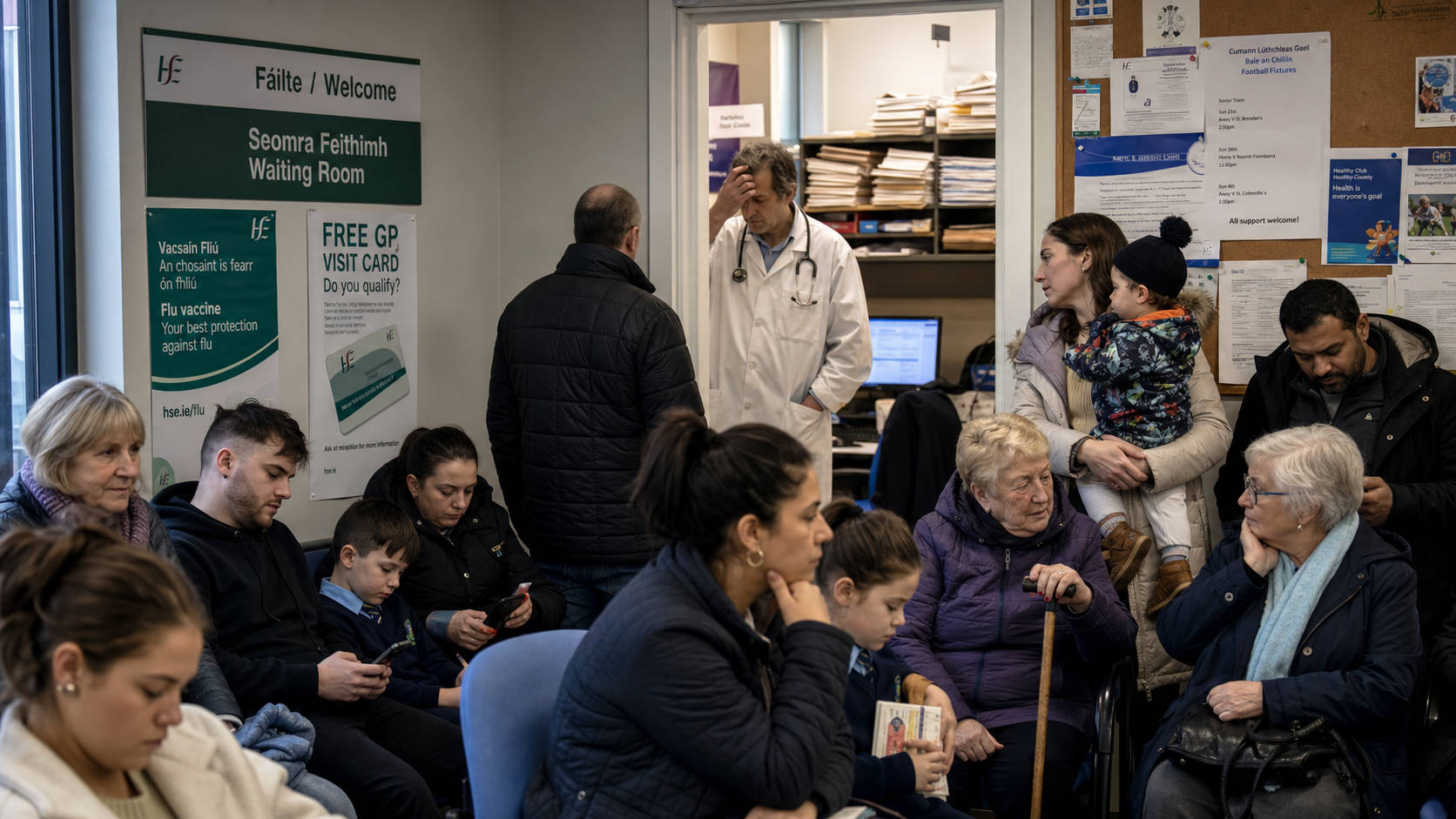
The timing of this norovirus surge is particularly concerning for Ireland's already-stretched healthcare system. Emergency departments across the country are operating under significant pressure, and a widespread norovirus outbreak risks compounding existing capacity problems. Ward closures and visitor restrictions, while necessary to contain the virus, reduce the number of available beds and disrupt the flow of patients through the system at a time when hospitals can least afford it.
For the most vulnerable members of society — elderly residents in nursing homes, immunocompromised patients, and young children — norovirus is not merely an unpleasant inconvenience but a genuine medical risk. Dehydration caused by prolonged vomiting and diarrhoea can escalate rapidly in these groups, requiring hospitalisation and intensive nursing care. The HSE's call for strict infection prevention and control measures in healthcare settings reflects the seriousness with which authorities are treating the current outbreak. As RTÉ News reported, the scale of the increase has prompted urgent action from health services nationwide.
Local Impact
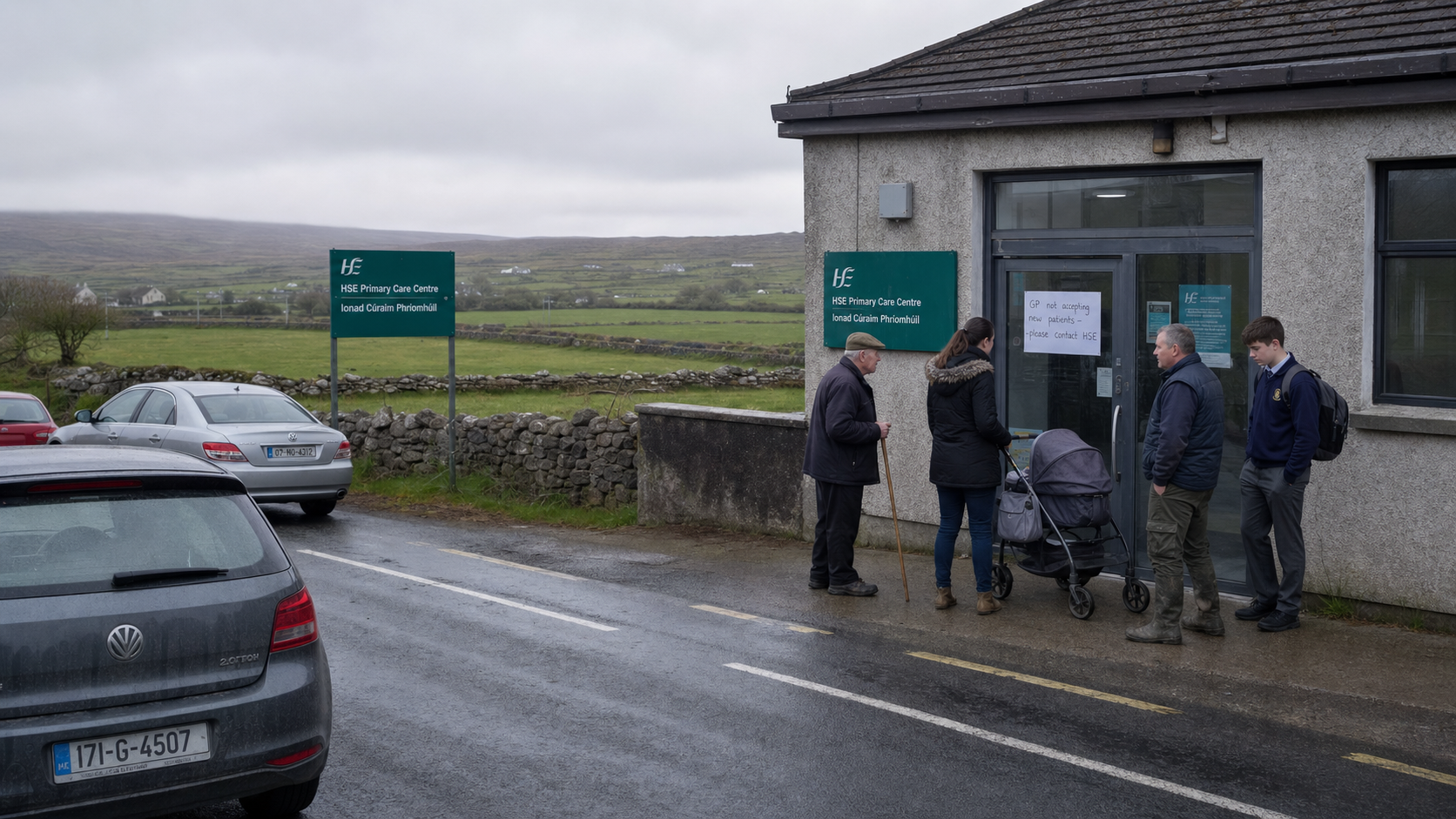
Across Ireland, the norovirus surge is being felt in communities from Dublin to Cork and beyond. Schools and childcare facilities have been placed on alert, with parents urged to keep symptomatic children at home rather than risk spreading the virus through classrooms. Nursing homes and residential care facilities have implemented enhanced cleaning regimes and restricted visitor access in an effort to protect their most vulnerable residents. The HSE has reminded healthcare workers to follow infection prevention and control guidelines rigorously to protect both patients and colleagues. Community pharmacists have reported increased demand for rehydration products, and GPs have seen a rise in calls from patients seeking advice on managing symptoms at home. The message from health authorities is consistent: stay home, wash hands thoroughly with soap and water, and do not visit healthcare settings while symptomatic.
What's Next
The HPSC will continue to monitor norovirus activity closely and publish weekly updates as the situation develops. Health authorities expect the current elevated levels to persist for several weeks, and are urging the public to remain vigilant. The HSE has indicated it is working with hospitals and care facilities to ensure adequate staffing and resources are in place to manage the increased demand. Public health officials stress that individual behaviour — particularly rigorous hand hygiene and responsible self-isolation when symptomatic — remains the most powerful tool available to slow the spread of the virus and protect the most vulnerable members of Irish society.