NHS to Trial AI Tool for Faster Prostate Cancer Diagnosis
The NHS is set to pilot a new artificial intelligence tool in up to 15 hospitals across England to speed up the diagnosis of prostate cancer, in a development that could significantly reduce waiting times and improve outcomes for thousands of patients.
The trial represents one of the most significant applications of AI technology in NHS cancer diagnostics to date, and could pave the way for a wider rollout if the results prove positive.
Background
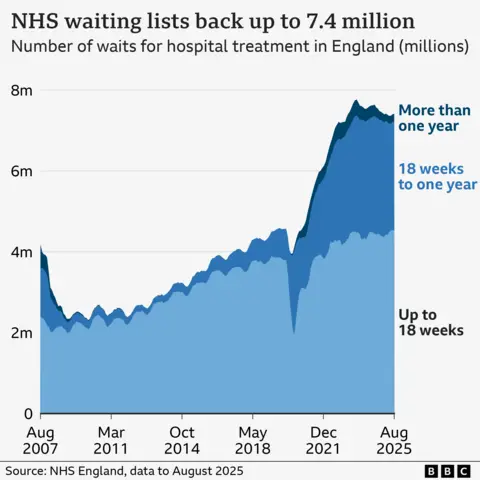
Prostate cancer is the most common cancer in men in the UK, with around 52,000 new cases diagnosed each year. Early diagnosis is critical to improving survival rates, but the NHS has faced significant challenges in reducing waiting times for cancer diagnosis and treatment, with many patients waiting months for results.
Artificial intelligence has been identified as a potentially transformative technology for NHS diagnostics, with the ability to analyse medical images and data far more quickly than human clinicians, potentially freeing up specialist time and reducing backlogs.
Key Developments
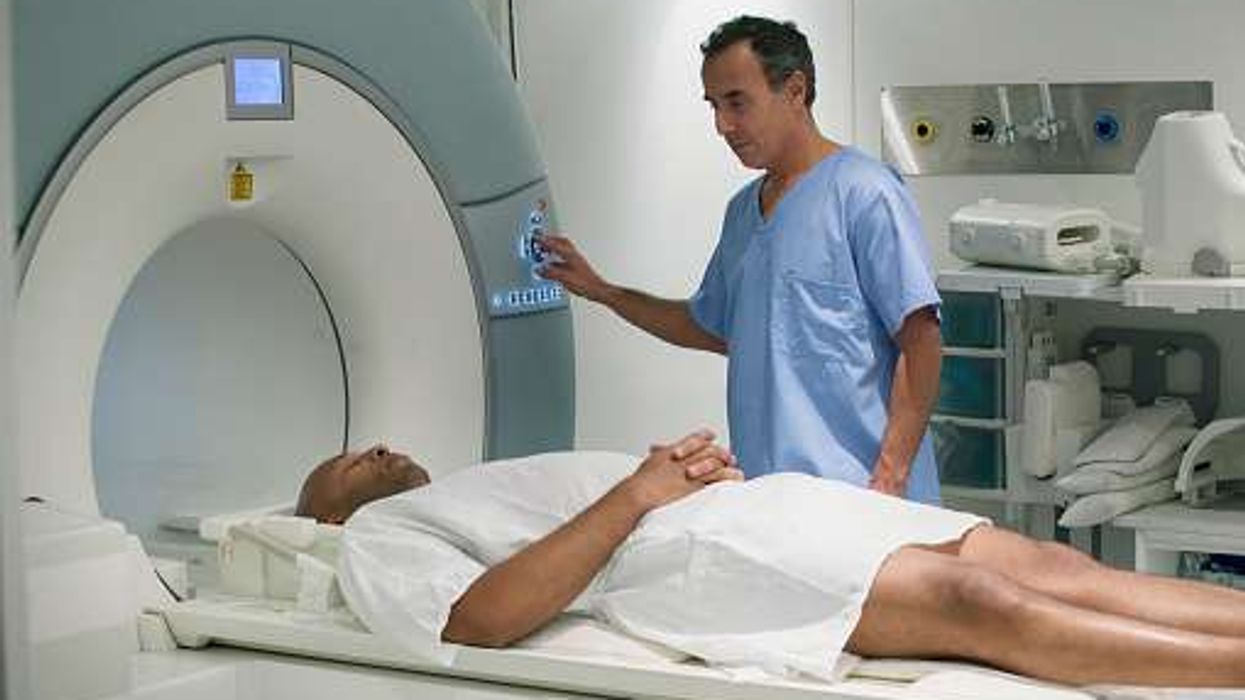
The AI diagnostic tool, which will be trialled in up to 15 NHS hospitals, uses machine learning algorithms to analyse prostate MRI scans and identify potential cancerous lesions. The technology has been developed to assist radiologists and urologists in making faster and more accurate diagnoses, rather than replacing clinical judgement.
The trial, announced on 24 April 2026, will assess the tool's accuracy, its impact on waiting times, and its effect on patient outcomes. If successful, the NHS plans to consider a wider rollout across the health service.
Why It Matters
For the thousands of men waiting for prostate cancer diagnoses each year, faster and more accurate diagnosis could be life-saving. Earlier detection of prostate cancer significantly improves the chances of successful treatment, and reducing the anxiety of waiting for results is also a significant benefit for patients and their families.
The trial also represents an important test case for the broader use of AI in NHS diagnostics, with implications for how the health service approaches the adoption of new technologies.
What's Next
The trial is expected to run for several months, with results anticipated later in 2026. If the AI tool proves effective, the NHS could move to a wider rollout, potentially transforming the speed and accuracy of prostate cancer diagnosis across England. Read more at The Conversation.