NHS to Launch At-Home Health Tests via App in Major Digital Transformation
The NHS is set to launch a pioneering service allowing patients to conduct basic health tests at home through the NHS app, in a major step towards the government's vision of transforming the health service from a reactive, hospital-based system to a proactive, community-centred one.
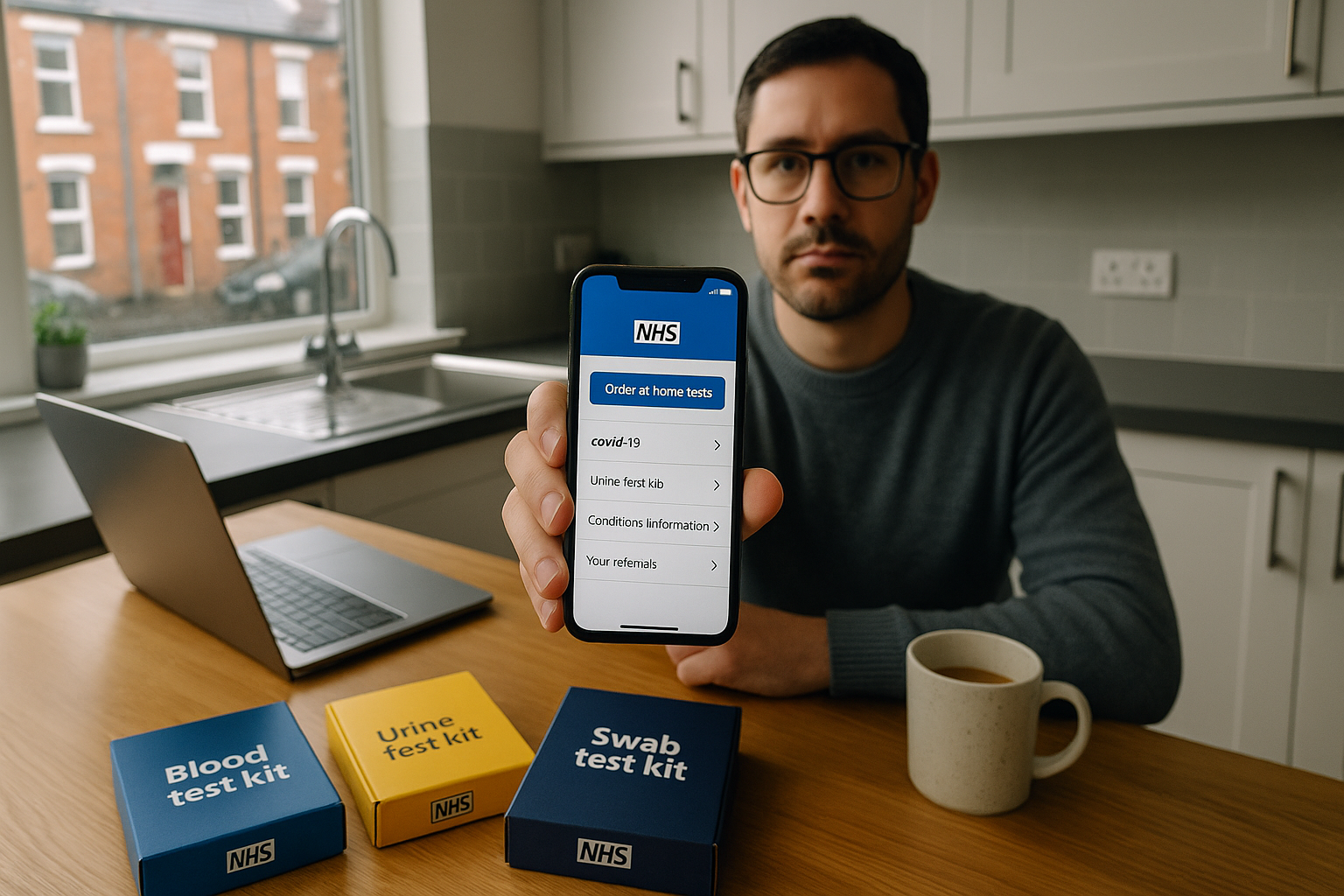
The initiative, which is expected to roll out from April 2026, will allow patients to order tests across seven medical specialties, complete them at home, and receive results directly through the NHS app, reducing the need for GP visits and hospital appointments.
Background
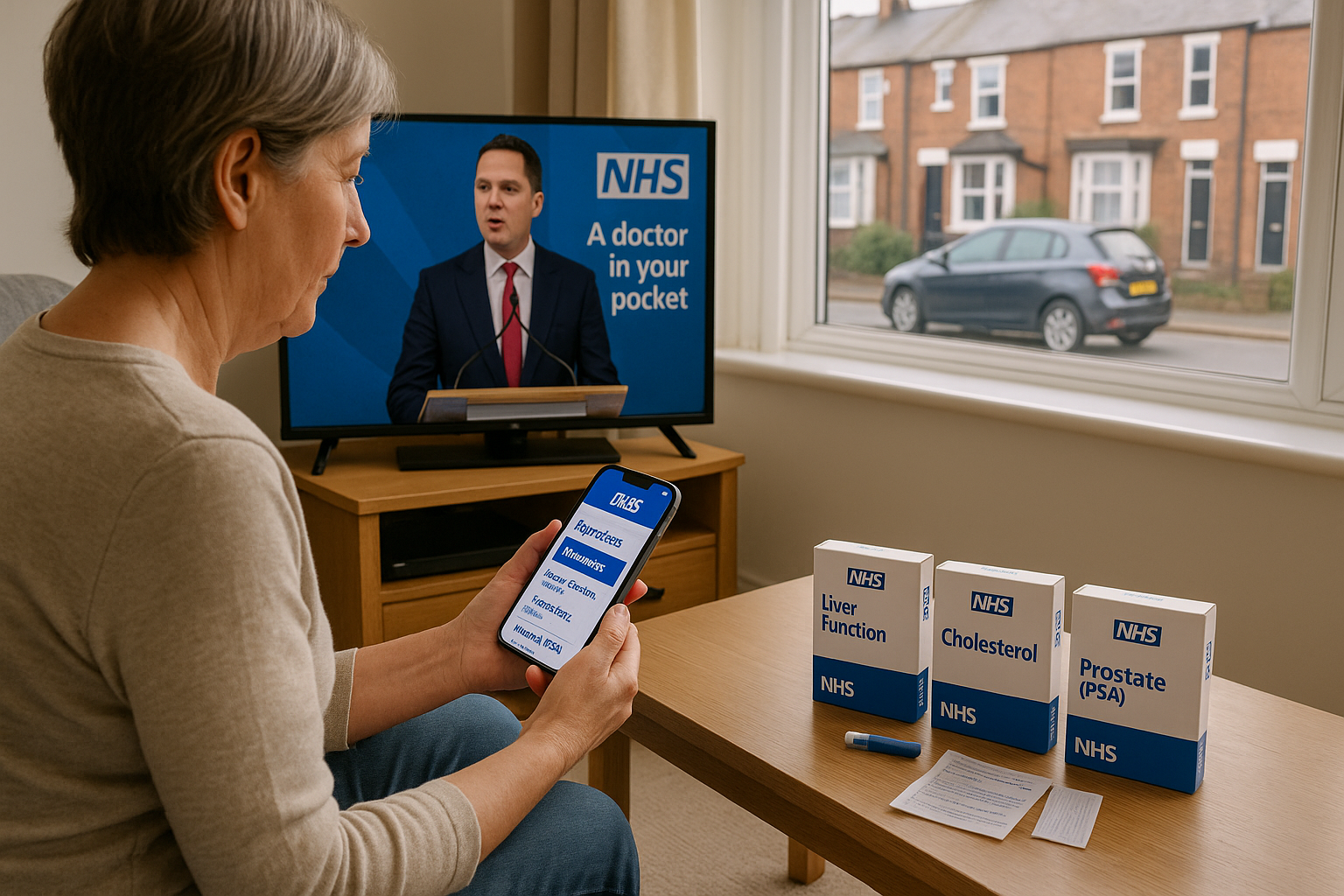
The NHS app has been steadily expanding its capabilities in recent years, moving from a simple appointment booking tool to a more comprehensive health management platform. Health Secretary Wes Streeting has described the ambition for the app to become "a doctor in your pocket," giving patients more control over their own health and reducing pressure on GP surgeries and hospitals. The at-home testing initiative builds on existing NHS app services for HIV and bowel cancer screening.
Key Developments
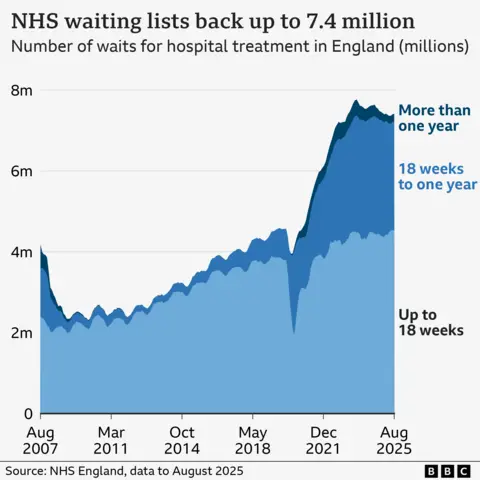
The proposed "HomeTest" service will initially offer tests across areas including liver function, cholesterol levels, sexually transmitted diseases, and Prostate Specific Antigen (PSA) blood checks for prostate cancer monitoring. Other areas under consideration include rheumatology, fertility and menstrual issues, and blood tests for antibiotic-resistant superbugs like MRSA. The service aims to make diagnosis faster and more convenient, eliminating the need for patients to take time off work or travel for testing. According to BritBrief, the initiative aligns with Labour's 10-year health plan to achieve a 92% diagnostic test, outpatient appointment, or operation within 18 weeks of a GP referral by 2029.
Why It Matters
The at-home testing service has the potential to significantly reduce pressure on GP surgeries and hospitals by enabling patients to access diagnostic services without needing to attend a clinical setting. Early diagnosis is a key priority for the NHS, as catching conditions early typically leads to better outcomes and lower treatment costs. The initiative also reflects the broader shift towards digital health services and patient empowerment that is central to the government's NHS reform agenda.
What's Next
The NHS is expected to announce further details of the HomeTest service in the coming weeks, including the specific tests that will be available at launch and the eligibility criteria. Experts have cautioned that care must be taken to ensure the service does not create a two-tier system, with those who are less digitally literate or who lack access to smartphones being disadvantaged. The government has indicated that support will be available for those who need help using the app.