'Racism Infiltrates Every Aspect of Medicine': UK's First Anti-Racist Medical Textbook Launched at Parliament
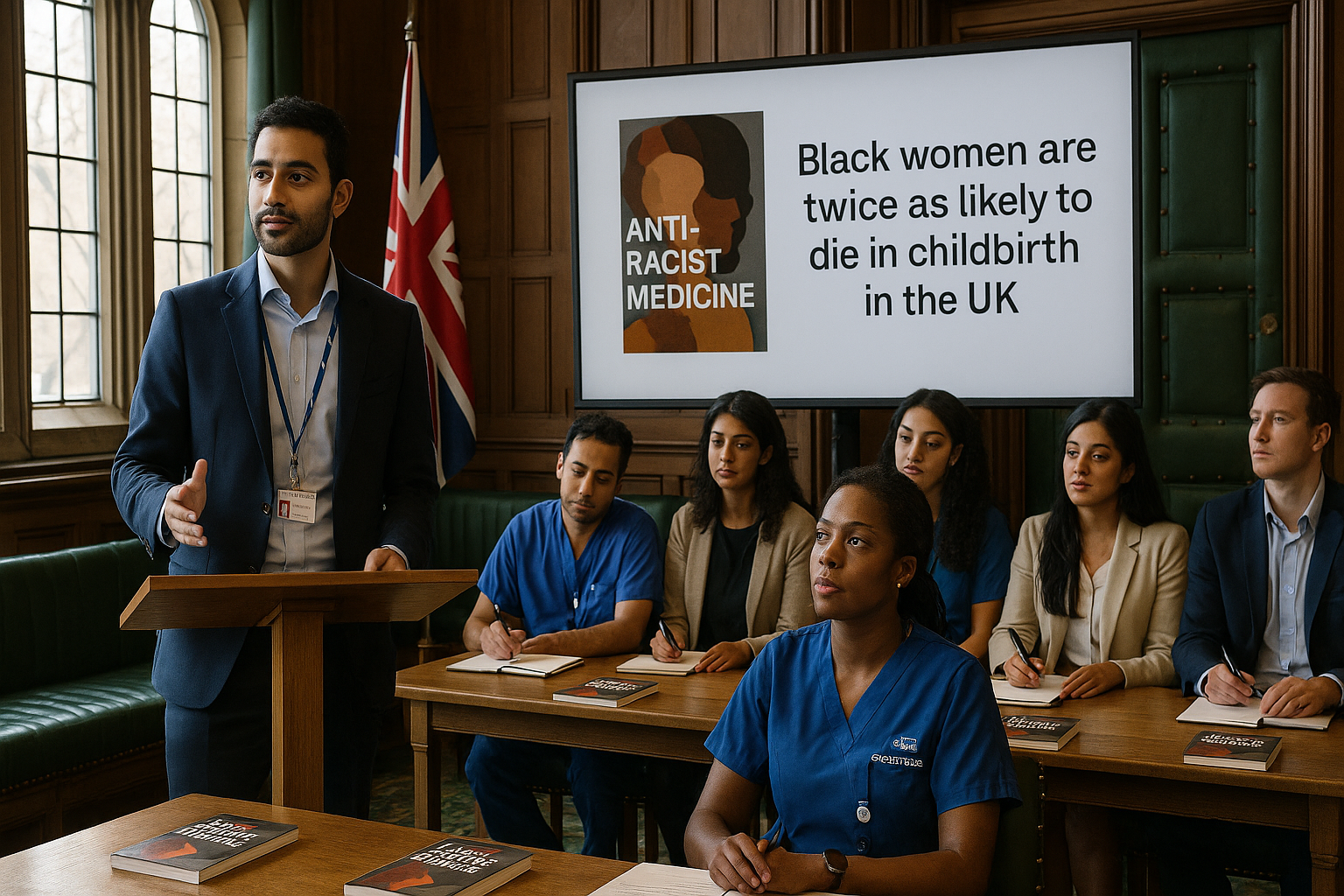
The UK's first medical textbook dedicated to anti-racist healthcare has been launched at a parliamentary event on 23 April 2026, providing a blueprint for medical students and healthcare professionals on how to better serve ethnically diverse populations and tackle systemic inequalities in the NHS.
Co-led by Dr Seshan Qureshi, an NHS doctor and Cambridge PhD student, the book Anti-Racist Medicine argues that despite the NHS's founding principle of fairness, equal access to high-quality healthcare in Britain remains "an ideal rather than a reality."
Background
Health inequalities along racial and ethnic lines have been documented in the UK for decades, but have received renewed attention following the COVID-19 pandemic, which disproportionately affected Black, Asian, and minority ethnic communities. The NHS has committed to addressing these disparities, but critics argue that progress has been too slow.
Key Developments
The textbook highlights the pervasive impact of systemic racism on multiple facets of medicine, including the understanding of disease, the treatment of patients, career progression for healthcare professionals, and the quality of data collection. It provides specific examples of stark disparities: Black women in the UK are twice as likely to die in childbirth as white women; sickle cell disease, which predominantly affects people of Black heritage, is under-resourced; and there are significant disparities in mental health diagnoses and the higher prevalence of Type 2 diabetes among South Asian and Black patients.
The book offers a series of recommendations, including reforming data collection to reduce inequalities, implementing medical courses to improve "cultural humility" among clinicians, providing greater support for international medical graduates, and instituting safeguards against bias in new digital health technologies. The University of Cambridge confirmed the launch, with the institution's research news highlighting the book's significance for medical education.
Why It Matters
Addressing racial disparities in healthcare is both a moral imperative and a practical necessity for the NHS. Improving outcomes for all patients, regardless of their ethnic background, will require systemic changes to medical education, clinical practice, and data collection — all of which this textbook seeks to address.
What's Next
The textbook is being distributed to medical schools across the UK. Dr Qureshi and his co-authors are planning a series of events to promote the book and engage with healthcare professionals. More at Varsity.