NHS on High Alert as Iran War Threatens Medical Supply Shortages Within Weeks
The NHS is on high alert over fears of looming shortages of medicines and medical equipment, as the ongoing conflict in Iran disrupts global supply chains for petrochemicals — the raw materials used to manufacture everything from syringes and gloves to cancer drugs and intravenous bags.
Background
Modern healthcare is heavily reliant on petrochemicals for active pharmaceutical ingredients and the production of millions of sterile single-use items, including personal protective equipment, syringes, intravenous bags, gloves, catheters, and components for surgical robots. The Iran conflict and the associated disruption to the Strait of Hormuz — a critical shipping route — have significantly reduced the flow of petrochemicals from the region, with cascading effects on global medical supply chains.
Key Developments
NHS England chief executive Jim Mackey has stated he is "very worried" about supply chain challenges, warning that the NHS will need extra government funding if price increases become a "huge shock." He highlighted that "everything's at risk" due to the international nature of the supply chain. The price of naphtha, a crude oil byproduct used to make petrochemicals, has soared from approximately $560 a tonne in February to over $900 a tonne in April, driving up the cost of polyethylene, polypropylene, and other materials crucial for medical products.
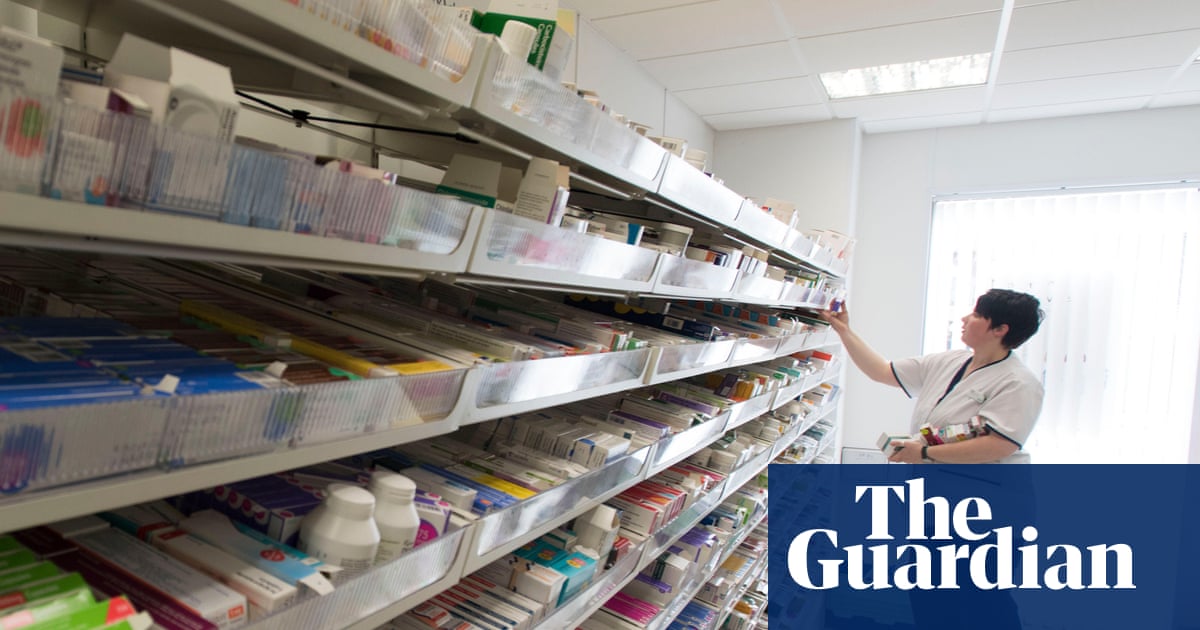
Major NHS contractors are already raising prices significantly. Polyco Healthline has raised prices by 10.3% to 26.3%, with further increases anticipated. Malaysian glove maker Karex is increasing prices by 20% to 30%, and Top Glove, the largest manufacturer, is passing on 50% cost increases. Pharmacists in England have reported price increases of 20–30% for common medicines like paracetamol and hay fever medication since February. The number of items on the government's price concessions list reached a record 230 in March, compared to 90 the previous year.
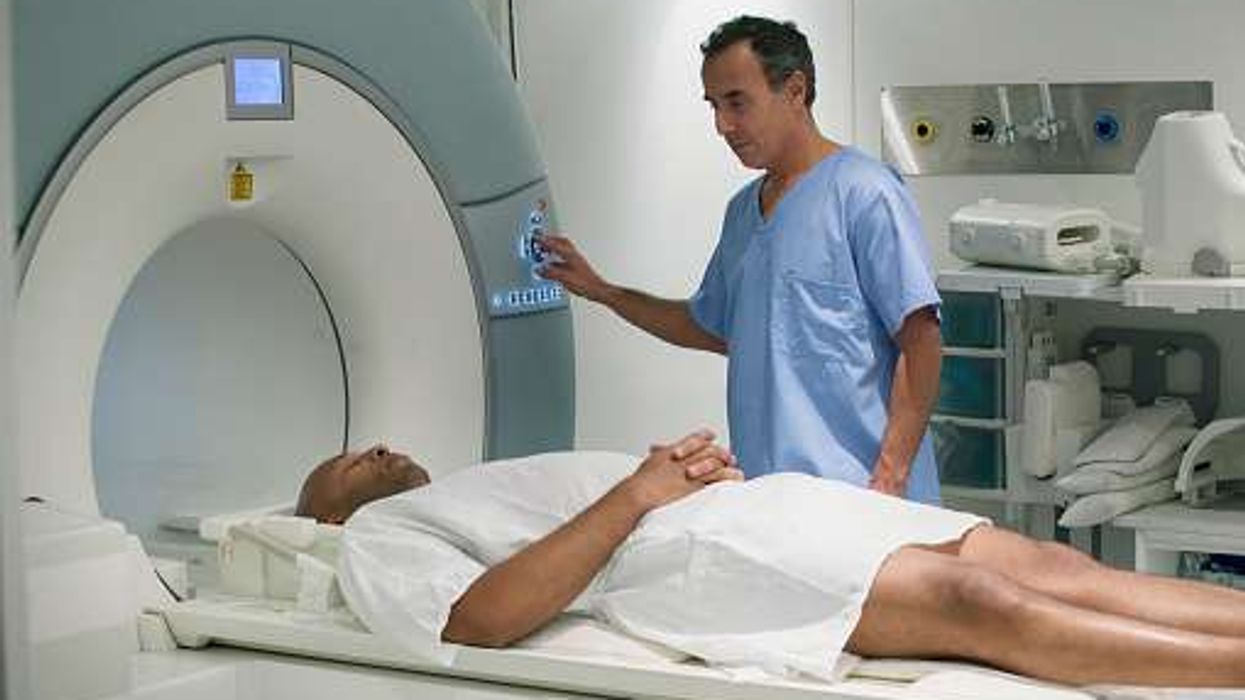
Experts warn that the UK is "a few weeks away" from medicine shortages if the conflict continues. Pharmaceutical companies typically hold 6–8 weeks of stock. Cancer treatments including Creon and Efudix, as well as intravenous cancer drugs, are already in short supply. The conflict also threatens the supply of helium, essential for cooling MRI machines, as Qatar's production has been affected.
Why It Matters
The NHS's reliance on "just-in-time" supply chains has been exposed as a significant vulnerability. Mark Samuels, chief executive of Medicines UK, has warned that if the conflict continues, rising prices or shortages of essential medicines are inevitable within weeks, impacting critical areas including cancer care, pain relief, antibiotics, and mental health. NHS Supply Chain has increased purchases of drugs and devices to build up buffers and is engaging with suppliers about continuity plans and alternative logistics routes.
What's Next
The government is under pressure to announce additional support measures for the NHS to offset rising supply costs. Experts are calling for investment in bringing manufacturing closer to home and for a standing G20 coordination system to track medicine availability and prevent shortages. The situation will be reviewed as the Iran conflict develops.