NI Executive Issues Unified Condemnation of Belfast Violence as Stormont Leaders Demand Calm
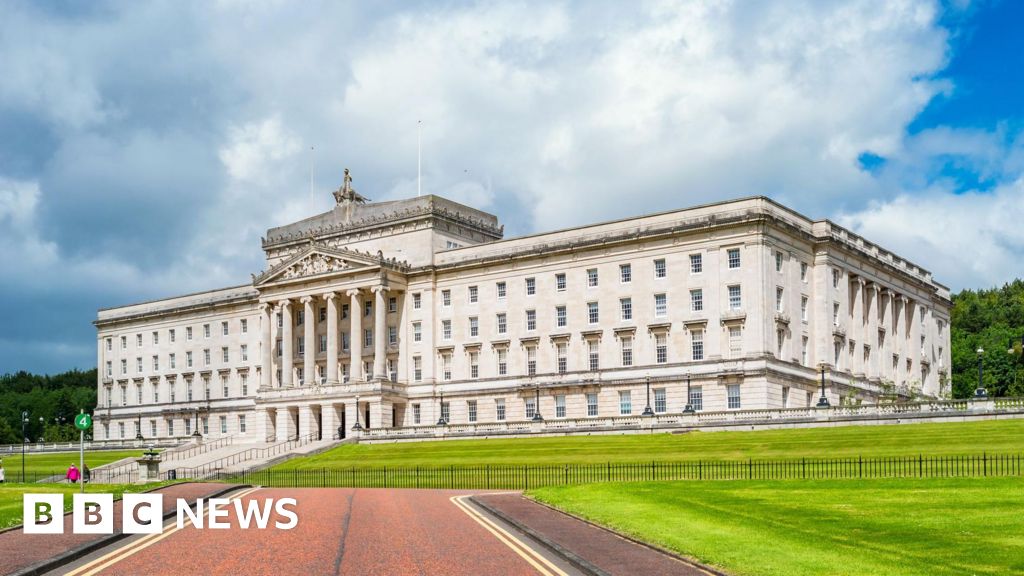
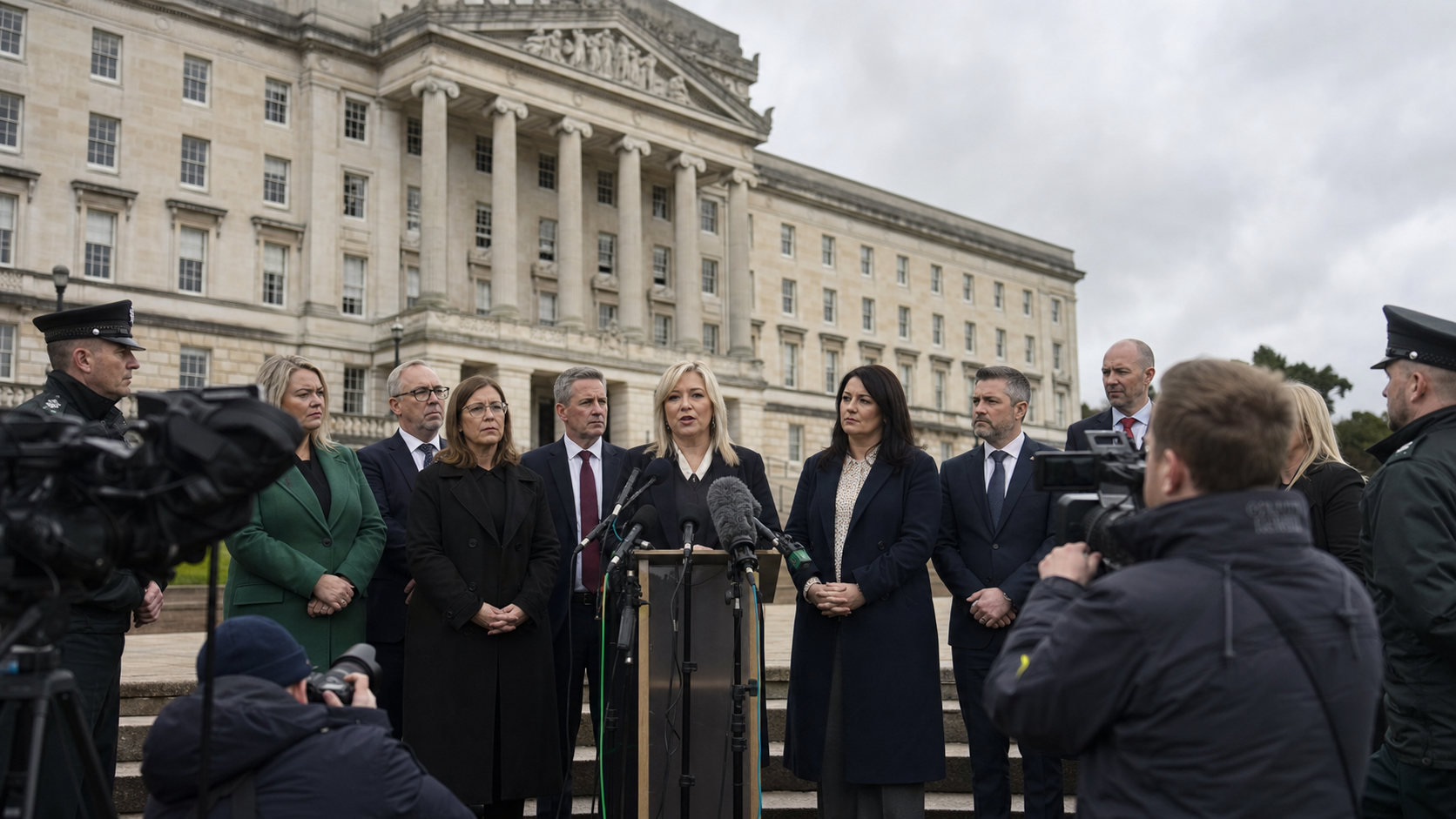
The Northern Ireland Executive has spoken with one voice in condemning the anti-immigrant violence that has swept through Belfast and Newtownabbey this week, with First Minister Michelle O'Neill describing the disorder as "nothing less than disgusting cowardice" and the leaders of all five main parties at Stormont joining in a joint statement that represents one of the most unified political responses to civil unrest in Northern Ireland in recent memory.
Background
The Northern Ireland Executive operates on a mandatory power-sharing basis, with ministerial positions allocated to parties in proportion to their Assembly seats. This means that the Executive includes ministers from Sinn Féin, the DUP, the Alliance Party, the SDLP and the UUP — parties that disagree profoundly on questions of constitutional identity, economic policy and social issues. Achieving a genuinely unified response from such a diverse coalition is not straightforward, and the speed and clarity of the Executive's condemnation of the Belfast disorder is therefore notable.
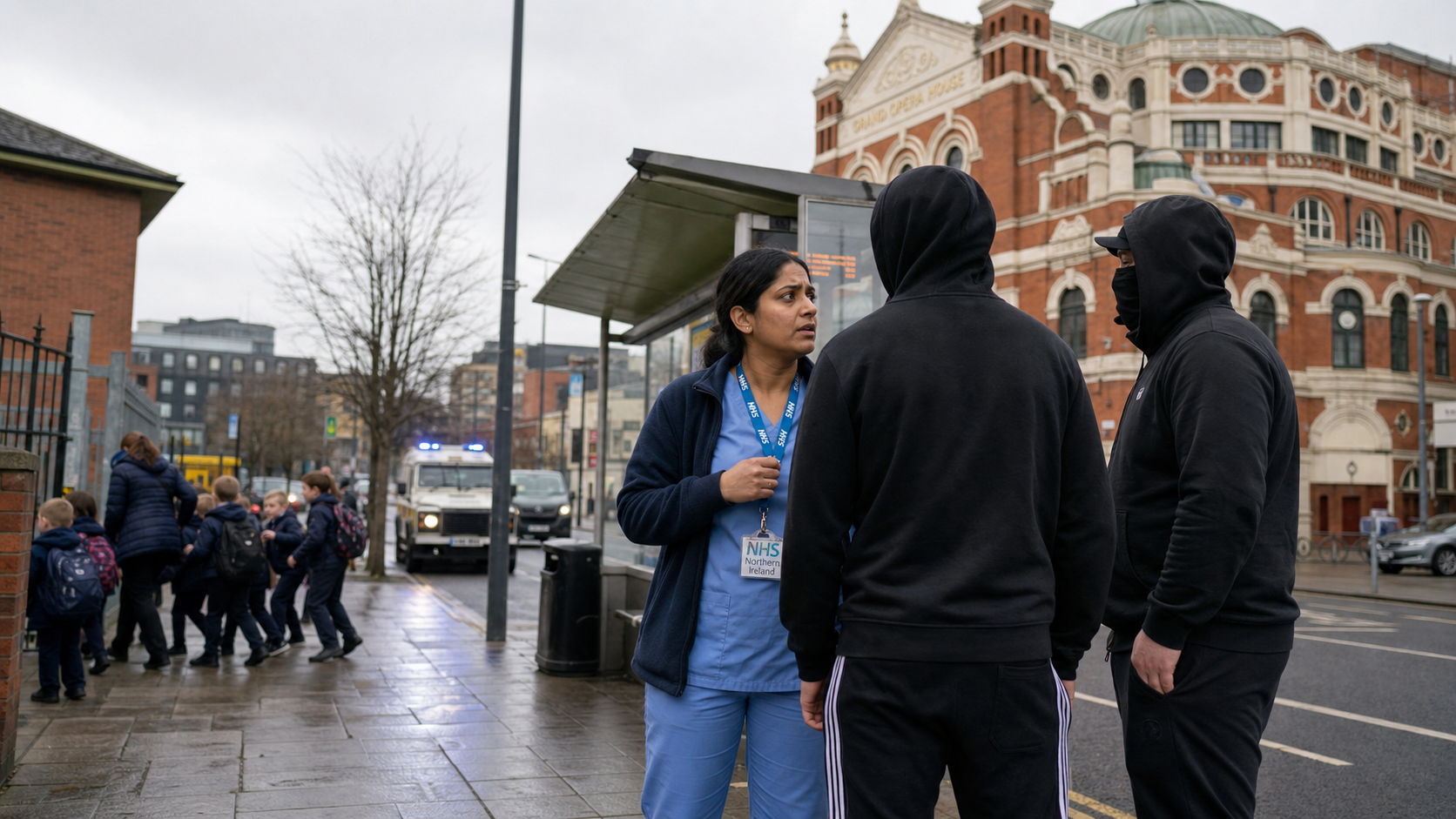
The disorder began on Tuesday, 9 June, following the viral spread of footage from a knife attack in north Belfast the previous evening. By Wednesday, it had spread to Newtownabbey, with water cannons deployed against rioters near the Sandyknowes roundabout. The scale and nature of the violence — targeted attacks on migrant homes, the burning of a public bus, the circulation of "hit lists" online — created a political imperative for a clear and unambiguous response from the region's elected leaders.
The Executive's response was shaped in part by the awareness that the disorder was being watched internationally, and that the images being broadcast around the world had the potential to cause lasting damage to Northern Ireland's reputation as a safe, welcoming and stable place to live, work and invest.
Key Developments
First Minister Michelle O'Neill was among the first to speak publicly, describing the violence as "nothing less than disgusting cowardice" and stating that "racism, intimidation and violence are wrong wherever they occur." She emphasised that the disorder did not represent Northern Ireland and called on community leaders to work with the PSNI to restore calm.
Deputy First Minister Emma Little-Pengelly of the DUP joined in condemning the attacks on homes, describing them as "utterly unacceptable" and calling for those responsible to be brought to justice. The joint statement from the Executive, signed by all ministers, condemned the violence in unequivocal terms and pledged the full support of the devolved government for the PSNI's efforts to restore order.
Education Minister Paul Givan specifically condemned the disruption to schools in affected areas, where a number of pupils had been unable to attend due to the disorder. Infrastructure Minister Liz Kimmins condemned the attacks on public transport infrastructure, including the burning of the Glider bus, describing it as an attack on the services that ordinary working people depend on.
Why It Matters
The unified Executive response matters for several reasons. First, it demonstrates that Northern Ireland's power-sharing institutions are capable of functioning effectively in a crisis — a point that is not always taken for granted, given the history of Executive collapses and political deadlock at Stormont. Second, it sends a clear signal to those who might have hoped to exploit the disorder for political purposes that there is no political cover for anti-immigrant violence in Northern Ireland.
The response also matters in the context of Northern Ireland's relationship with the rest of the UK and with the Republic of Ireland. The Taoiseach Micheál Martin expressed solidarity with the affected communities and praised the Executive's response, while Prime Minister Keir Starmer pledged that those responsible for the disorder would face the "full force of the law." The cross-border and cross-channel political response reinforces the message that the violence is isolated and condemned.
For context, the last time the Northern Ireland Executive issued a similarly unified condemnation of civil disorder was during the loyalist flag protests of 2012-13, when the scale of the disruption to Belfast city centre prompted a joint response from the then-First Minister and deputy First Minister. The current response is, if anything, more emphatic.
Local Impact
The Executive's statement has been welcomed by community organisations working in the areas most affected by the disorder. In east Belfast, where a number of migrant families were targeted during the initial night of rioting, community workers have reported that the clear political condemnation has helped to reassure residents that they have the support of the region's elected leaders.
In Newtownabbey, where the second night of disorder was centred, local councillors from across the political spectrum have been working with community groups to organise clean-up operations and to provide support to businesses and residents affected by the violence. The council's community development team has been deployed to the area to assist with the response.
What's Next
The Stormont Assembly is expected to hold an emergency debate on the disorder in the coming days, providing an opportunity for all parties to place their condemnation on the public record and to discuss the longer-term policy response. The Executive is also expected to announce a package of support for the communities most affected by the violence, including additional funding for community organisations working with migrant populations. A review of online hate speech legislation is being discussed, with several parties calling for stronger powers to deal with those who use social media to incite disorder.