NI Councillors' Pay 'Not Attractive' to Young Candidates as MLA Salary Gap Widens
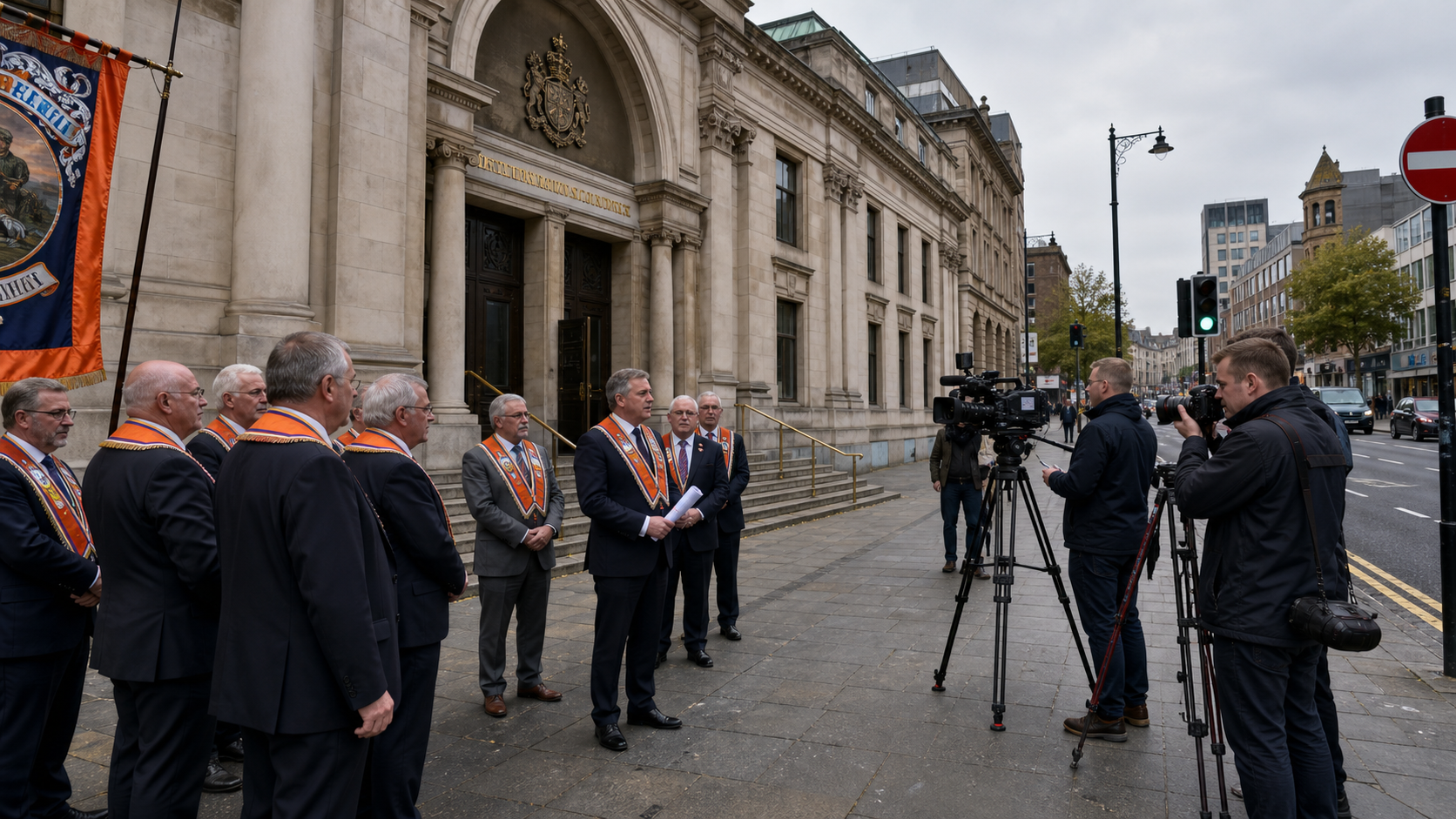
The National Association of Councillors in Northern Ireland has formally warned the Department for Communities that the basic annual allowance of more than £18,000 paid to local councillors is failing to attract younger, working-age, or high-calibre candidates to local government, with the gap between councillor pay and the £67,200 salary of Stormont Assembly members now at its widest point in the history of devolution.
Background
Local government in Northern Ireland is delivered through eleven district councils, which between them are responsible for a wide range of services including planning, waste management, leisure facilities, economic development, and community relations. The eleven councils employ thousands of staff and manage budgets running to hundreds of millions of pounds, yet the elected representatives who oversee this work receive a basic annual allowance that many argue is inadequate for the demands of the role.
The current basic allowance of more than £18,000 per year was set following a 5% increase awarded in 2025, itself a modest uplift that fell well short of the recommendations of an independent review conducted the same year. That review recommended increasing councillor allowances to nearly £22,000 per year — a 28% rise — but Stormont ministers rejected the proposal, opting instead for the smaller increase.
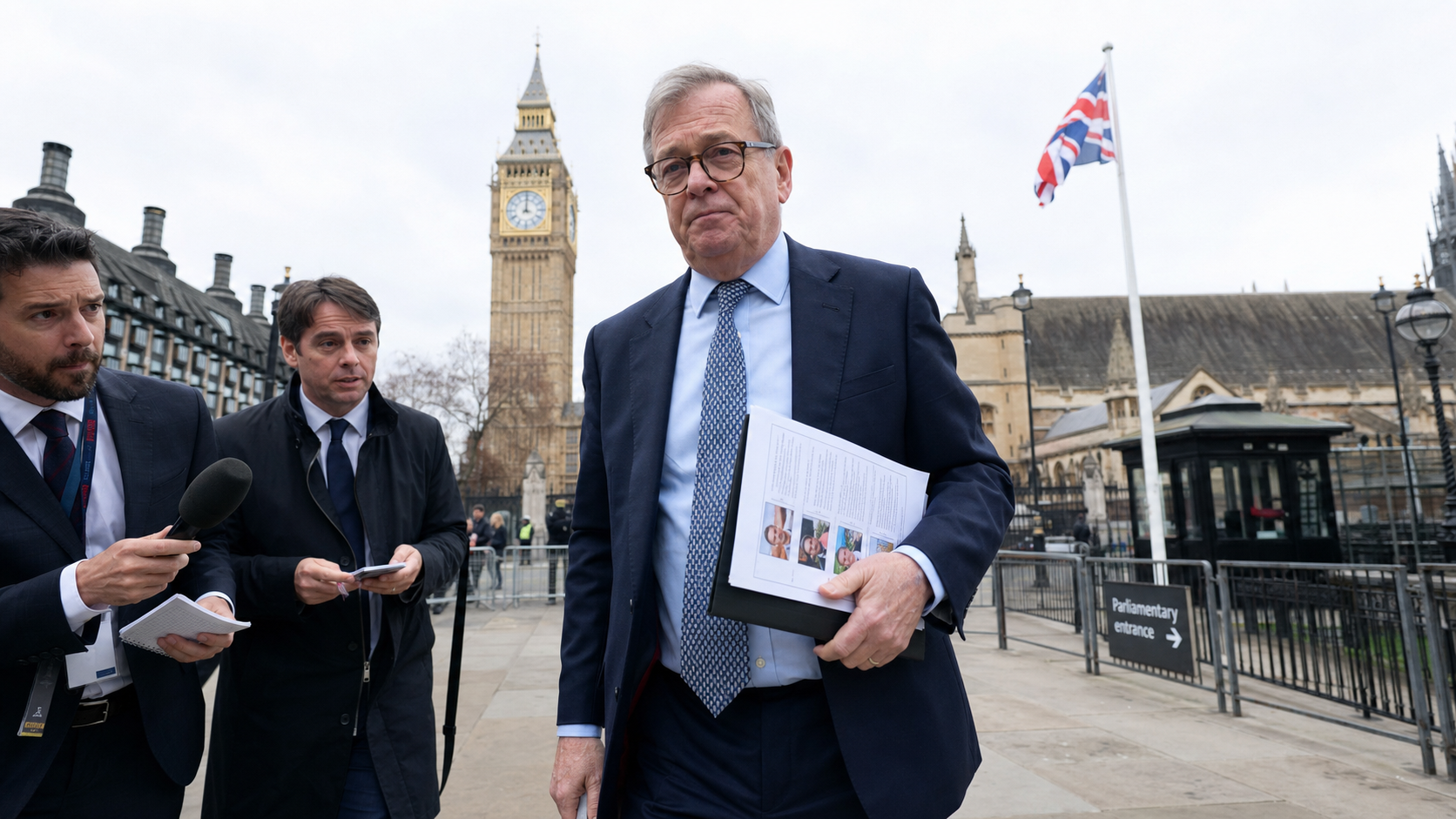
The contrast with MLA pay has become increasingly stark. In April 2026, Assembly members received a pay increase of over £14,000, raising their annual salary to £67,200 — an uplift of nearly 27%. The gap between the pay of a local councillor and an MLA now stands at approximately £49,000 per year, a disparity that the National Association of Councillors argues sends a damaging signal about the value placed on local democratic representation.
Key Developments
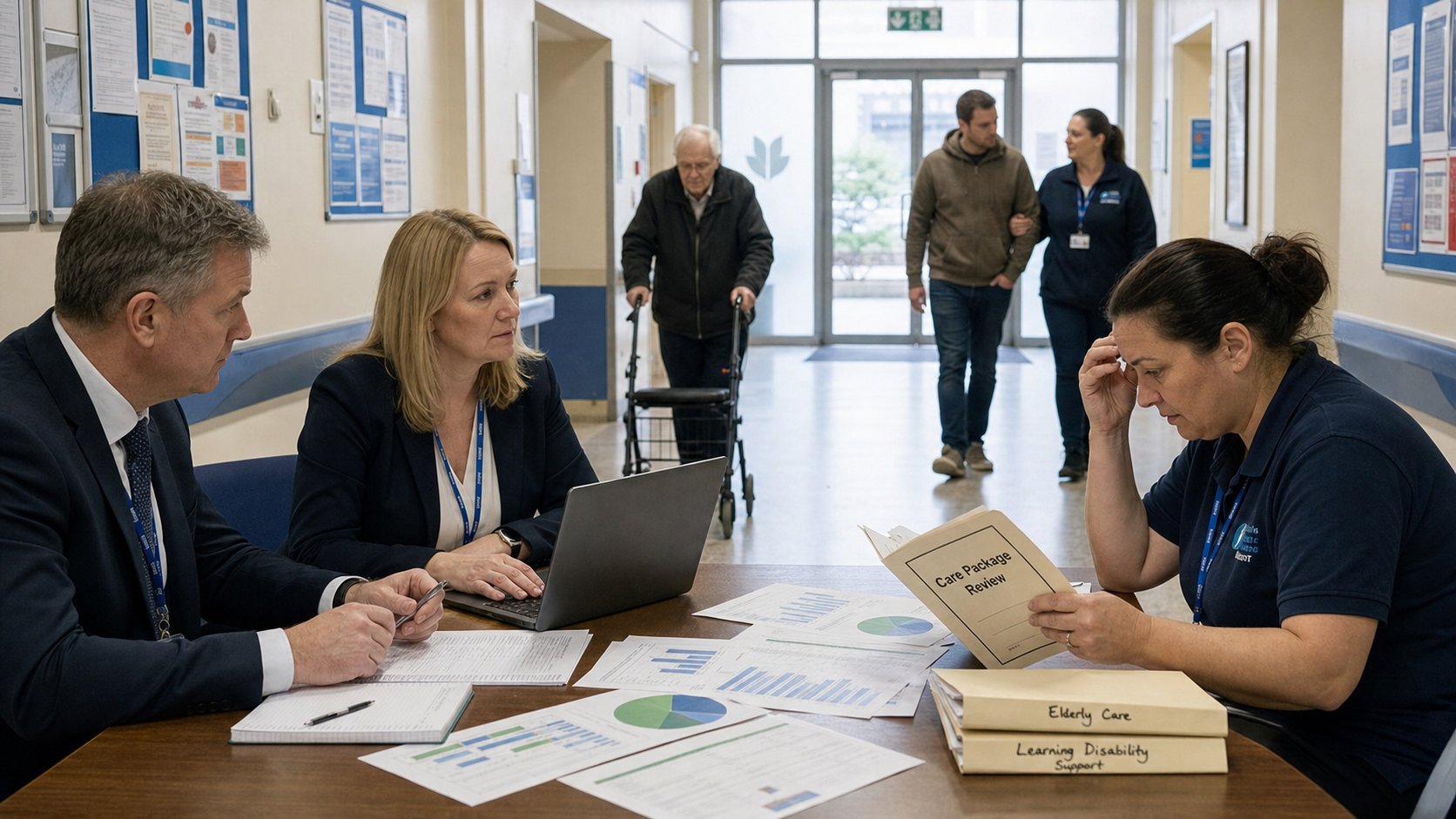
The National Association of Councillors in Northern Ireland submitted a formal representation to the Department for Communities this week, warning that the current pay structure is creating barriers to participation in local democracy. The submission highlighted three specific concerns: the difficulty of balancing council duties with employment and family commitments on a salary that does not reflect the time demands of the role; the particular barriers faced by primary caregivers — disproportionately women — who cannot afford to reduce their working hours without adequate compensation; and the risk that local government becomes the preserve of those who can afford to serve, rather than a genuinely representative institution.
Advocacy group 50:50 NI, which campaigns for gender balance in elected office, supported the submission, noting that better pay could help remove structural barriers for women who might otherwise be unable to stand for election. The group pointed to evidence from other jurisdictions showing that improved councillor remuneration is associated with greater diversity among elected representatives.
Some political figures argued that focusing on "ever more generous packages" was inappropriate given broader financial pressures on households, but the National Association of Councillors countered that the issue was not generosity but basic fairness and the sustainability of local democracy.
Why It Matters
The quality of local government matters enormously to the daily lives of people across Northern Ireland. Planning decisions, leisure facilities, waste collection, economic development — these are not abstract policy questions but practical matters that affect every household. If the pay structure of local government systematically excludes younger people, working parents, and those without independent means, the result is a democratic deficit that undermines the legitimacy and effectiveness of the councils themselves.
The comparison with MLA pay is particularly pointed. Assembly members, who earn £67,200 per year, are responsible for scrutinising legislation and holding the Executive to account — important work, but work that is supported by a substantial staff and research infrastructure. Councillors, by contrast, often work with minimal support while managing complex planning applications, community disputes, and service delivery challenges. The argument that their work is worth less than a quarter of an MLA's salary is difficult to sustain.
Local Impact
Across Northern Ireland's eleven councils — from Belfast City Council to Derry City and Strabane District Council, from Antrim and Newtownabbey to Newry, Mourne and Down — the pay issue is a live concern for sitting councillors and for those considering standing at the next local government elections, expected in 2027. Several councils have reported difficulty in attracting candidates for co-option to fill casual vacancies, with potential candidates citing the financial implications of taking on the role. In rural councils, where the distances involved in attending meetings and carrying out constituency work are greater, the time demands are particularly significant.
What's Next
The Department for Communities is expected to respond to the National Association of Councillors' submission in the coming weeks. A further independent review of councillor allowances is possible, though whether any recommendations would be implemented ahead of the 2027 local government elections remains uncertain. The issue is likely to feature prominently in the pre-election debate, with candidates across all parties expected to be asked about their position on councillor pay and the sustainability of local democratic representation in Northern Ireland.