NI Cleft Surgery Service in Crisis After Only Specialist Surgeon Resigns, Leaving Babies Facing Delays
Northern Ireland's Cleft Lip and Palate Service has been thrown into crisis after the region's only specialist consultant plastic surgeon resigned in June, leaving families of babies requiring time-sensitive corrective operations facing agonising uncertainty — a situation that has exposed the fragility of specialist surgical services in a health system already under severe strain.
Background
Cleft lip and palate is one of the most common birth defects in the United Kingdom and Ireland, affecting approximately one in every 700 babies born. The condition, which occurs when the lip or the roof of the mouth does not fully close during foetal development, requires a series of carefully timed surgical interventions in the first years of life. The timing of these operations is critical: delays can affect a child's ability to feed, speak, and develop normally, and the window for optimal surgical outcomes is narrow.
Northern Ireland's Cleft Lip and Palate Service is managed jointly by the South Eastern Trust and the Belfast Trust, with the specialist surgical work carried out by a consultant plastic surgeon based at the Royal Victoria Hospital in Belfast. The service covers the entire Northern Ireland population, meaning that the loss of the single specialist surgeon has immediate and serious implications for every family in the region with a child requiring cleft surgery.
The resignation of the consultant plastic surgeon on June 19, 2026, was not publicly announced at the time, and many families only became aware of the situation when they were contacted by the trust to discuss the implications for their children's planned operations. The lack of transparency around the resignation has added to the distress of affected families, who have described feeling "abandoned" by a health system that they trusted to care for their most vulnerable children.
Key Developments
The South Eastern Trust confirmed this week that the consultant plastic surgeon position has been vacant since June 19, 2026. Despite advertising the post, the trust has not received any applications and is currently evaluating the best timing to re-advertise in order to attract suitable candidates. The shortage of specialist cleft surgeons across the United Kingdom makes recruitment extremely challenging, and the trust has acknowledged that filling the post quickly will be difficult.
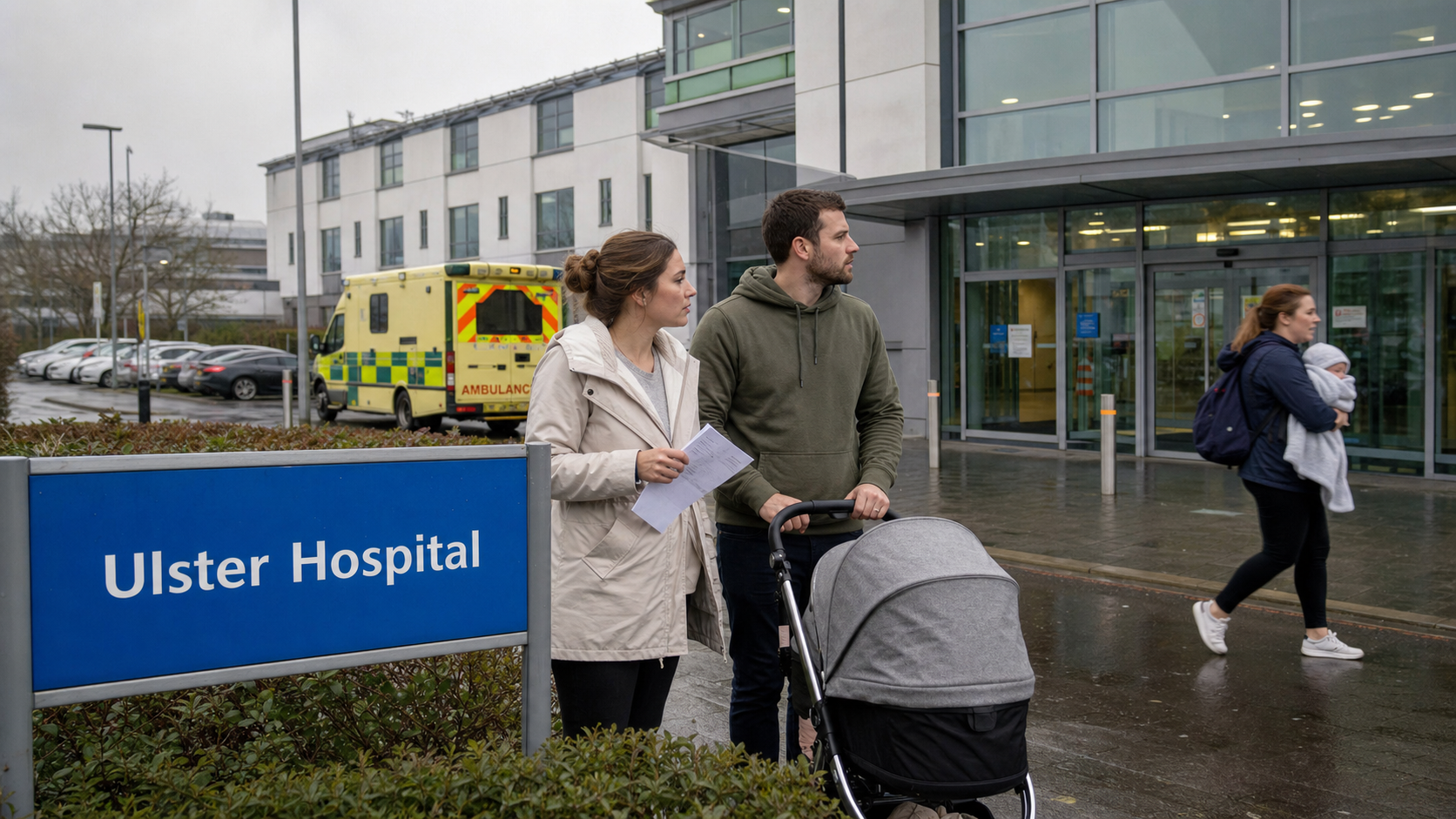
Among the families most acutely affected is that of a nine-month-old boy whose third operation — a critical stage in his cleft palate repair — is required before he reaches thirteen months of age. His parents have spoken publicly about the anxiety of not knowing whether the operation will proceed on schedule, and their case has become emblematic of the wider crisis facing the service.
To mitigate the immediate impact of the vacancy, the trust has engaged a former cleft surgeon to provide locum sessions throughout the summer months. The trust is also in "advanced discussions" with specialist centres in the United Kingdom to facilitate arrangements whereby specialist cleft surgeons would travel to Northern Ireland to conduct outpatient assessments, surgical procedures, and follow-up care. The Department of Health has acknowledged the concerns of affected families and has indicated that it is working with the trusts to identify both short-term and long-term solutions.
Why It Matters
The crisis in Northern Ireland's Cleft Lip and Palate Service is a stark illustration of the consequences of running a specialist health service with no redundancy or resilience built into its staffing model. A service that depends on a single specialist surgeon is inherently fragile: the resignation, retirement, or illness of that individual immediately creates a crisis that affects every patient in the system. This is not a new problem in Northern Ireland's health service — similar vulnerabilities have been identified in other specialist services, including paediatric cardiology, neurosurgery, and ophthalmology — but the impact on babies and young children makes the cleft surgery situation particularly distressing. The broader context is one of a health system under severe strain, with waiting lists at record levels, recruitment challenges across virtually every specialty, and a funding model that has left Northern Ireland's health service chronically underfunded relative to its needs.
Local Impact
The impact of the crisis is being felt by families across Northern Ireland, from Belfast and the greater metropolitan area to rural communities in Tyrone, Fermanagh, Antrim, and Down. For parents of babies with cleft lip and palate, the uncertainty about whether their child's operations will proceed on schedule is a source of profound anxiety, compounded by the knowledge that delays can have lasting consequences for their child's development. The South Eastern Trust has established a dedicated point of contact for affected families and has committed to keeping them informed of developments as they occur. The trust has also indicated that it will prioritise children who have already commenced their surgical journey, ensuring that those at the most critical stages of their treatment are seen as a matter of urgency.
What's Next
The South Eastern Trust is expected to re-advertise the consultant plastic surgeon post in the coming weeks, with a revised recruitment strategy designed to attract candidates from across the United Kingdom and Ireland. The trust's discussions with specialist centres in England and Scotland about providing emergency surgical cover are expected to conclude shortly, with arrangements for visiting surgeons to travel to Belfast expected to be confirmed within days. The Department of Health has indicated that it will provide a full update to the Stormont Health Committee when the Assembly returns from recess on August 30. Affected families have been urged to contact the trust's dedicated helpline for the most up-to-date information about their children's planned operations.