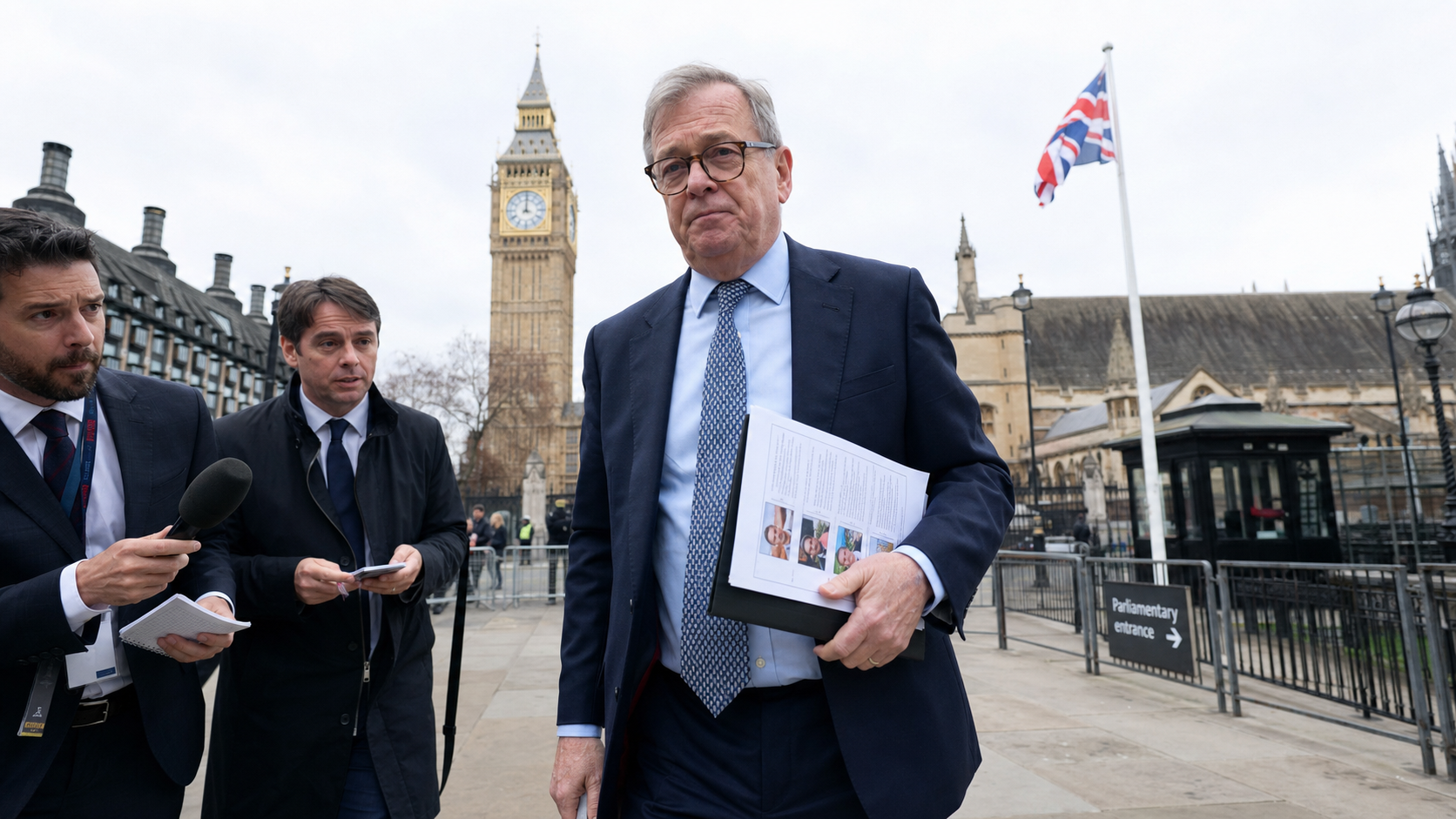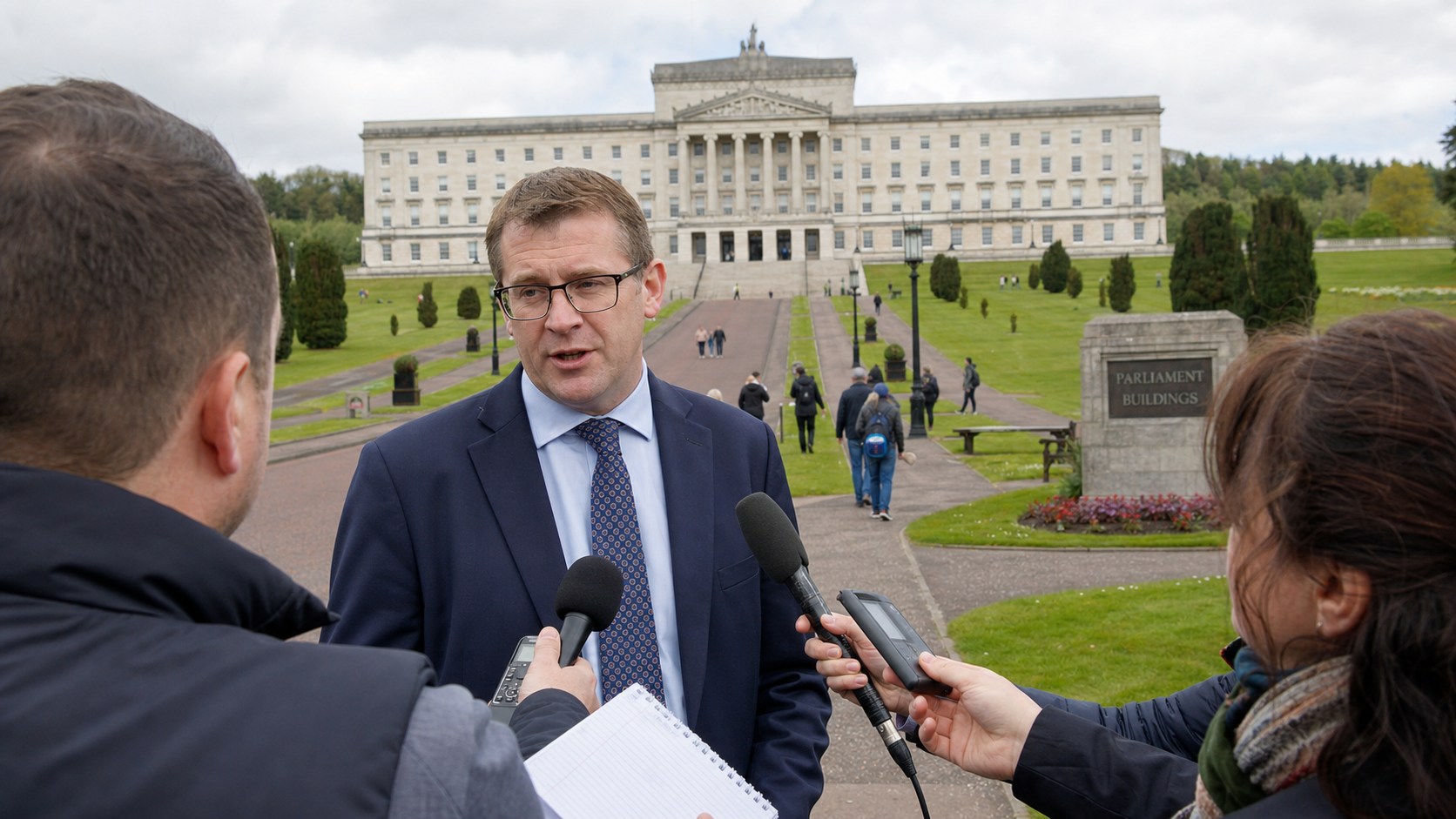
New NI Health Minister Robbie Butler Inherits Waiting List Crisis as Progress Emerges on Long-Term Backlogs
Newly appointed Northern Ireland Health Minister Robbie Butler has taken charge of a department grappling with one of the most severe waiting list crises in the United Kingdom, even as new data reveals encouraging signs of progress — including a 14% reduction in long-term outpatient waits and a 21% decrease in surgical waits exceeding four years — in what promises to be one of the most demanding ministerial briefs in the Stormont Executive.
Background
Northern Ireland's health waiting lists have been a source of political controversy and public anxiety for well over a decade. The structural gap between patient demand and funded capacity — exacerbated by an ageing population, chronic underfunding relative to need, and the devastating impact of the Covid-19 pandemic on elective care — has produced a situation in which over 440,000 people were waiting for a first consultant-led outpatient appointment across four of the five Health and Social Care Trust areas as of December 2024. That figure represents roughly a quarter of Northern Ireland's entire population.
The scale of the crisis is without parallel in the UK. While England, Scotland, and Wales all face significant waiting list pressures, Northern Ireland's per-capita waiting times are consistently the worst of any UK nation. The Department of Health has acknowledged that achieving sustainable, long-term targets will require annual investment of approximately £135 million over a five-year period — funding that is not currently available within the block grant settlement from Westminster.
Robbie Butler's appointment as Health Minister follows the resignation of his predecessor, who left the role following a policy disagreement with Ulster Unionist Party leader Jon Burrows. Butler has been given what he described as "no red lines" by his party leader — a degree of ministerial freedom that his predecessor did not enjoy, and which may allow him to pursue a more pragmatic approach to the difficult choices that health reform requires.
Key Developments
The latest waiting list data, published this week, provides a mixed but cautiously encouraging picture. Long-term outpatient waits — those exceeding four years — have fallen by 14% compared to the same period last year, while surgical waits of the same duration have decreased by 21%. These reductions reflect the impact of Waiting List Initiatives funded through supplementary allocations, as well as increased use of the independent sector to provide additional elective capacity.
The Department of Health has also moved to introduce regional waiting lists for certain procedures — including bladder outflow surgery and kidney stone services — to maximise efficiency by directing patients to whichever trust has the shortest wait, regardless of geography. This approach, which has been used successfully in other health systems, is expected to reduce variation in waiting times between trusts and make better use of existing capacity.
Butler, speaking after his appointment, pledged to prioritise front-line care and to work constructively with health professionals, trade unions, and patient groups to develop a sustainable reform agenda. He acknowledged the scale of the challenge but expressed confidence that progress was possible. "The data shows that when we invest in the right initiatives, we can make a real difference to waiting times," he said. "My priority is to build on that progress and to ensure that every patient in Northern Ireland gets the care they need in a timely manner."
Why It Matters
The appointment of a new Health Minister at this juncture is significant for several reasons. Butler inherits a department that is simultaneously managing a waiting list crisis, implementing a major reform programme, and navigating the political complexities of a power-sharing Executive in which health policy is a source of ongoing tension. His ability to build cross-party consensus on the difficult choices that health reform requires — including decisions about hospital reconfiguration, the role of the independent sector, and the allocation of scarce resources between competing priorities — will be a defining test of his ministerial competence.
The waiting list data also matters because it affects real people in real communities across Northern Ireland. For a patient in the Western Trust area waiting for an orthopaedic appointment, or a family in the Southern Trust area waiting for a paediatric assessment, the abstract statistics translate into months or years of pain, anxiety, and uncertainty. The 14% reduction in long-term outpatient waits is meaningful progress, but it needs to be sustained and accelerated if Northern Ireland is to move toward waiting times that are comparable with the rest of the UK.
Local Impact
Across Northern Ireland's five Health and Social Care Trust areas — Belfast, South Eastern, Southern, Western, and Northern — the waiting list crisis manifests differently depending on specialty and geography. The Western Trust, which serves Derry/Londonderry, Omagh, and the wider west of the province, has historically had some of the longest waits, reflecting the challenges of providing specialist services in a geographically dispersed rural population. The Belfast Trust, which manages the major acute hospitals including the Royal Victoria, Belfast City, and the Mater, faces the highest absolute volumes of patients. The new regional waiting list approach is expected to benefit patients in areas where local trust capacity is most constrained, by directing them to trusts with shorter waits for specific procedures.
What's Next
Butler will present his priorities to the Assembly's Health Committee in September, when the Assembly returns from recess. The Department of Health is expected to publish an updated Elective Care Framework in the autumn, setting out a multi-year plan for reducing waiting times with specific targets and milestones. The next quarterly waiting list statistics will be published in November, providing an early indication of whether the progress seen in the second quarter of 2026 has been sustained. The Minister will also need to engage with the Treasury on the case for additional health funding in the next Spending Review, which is expected to be announced before the end of the year.