NATO Allies Face US Pressure as Pentagon Weighs Punitive Options Over Iran War Support
A leaked Pentagon email has outlined options to punish NATO allies perceived as not adequately supporting US operations in the Iran war, including potentially reviewing the US position on Britain's claim to the Falkland Islands and suspending Spain from NATO — a development that has alarmed European capitals and prompted the UK to reaffirm its long-standing position on the Falklands.
The Leaked Document
The leaked Pentagon email outlined a range of options to pressure NATO allies who have not provided sufficient support for US military operations against Iran. Among the options reportedly considered were reviewing the US position on Britain's claim to the Falkland Islands and suspending Spain from NATO.
The UK government has reaffirmed its long-standing position on the Falkland Islands in response to the reports. The revelation has caused significant alarm in European capitals, where governments are already navigating the difficult balance between maintaining the transatlantic alliance and managing domestic opposition to the Iran conflict.
European Response
EU leaders are discussing a "mutual assistance pact" amid growing criticisms of NATO's cohesion. Spanish Prime Minister Sánchez has criticised Trump's war on Iran as "illegal and a big mistake," while European leaders express pessimism about the conflict's long-term impact on energy prices and regional stability.
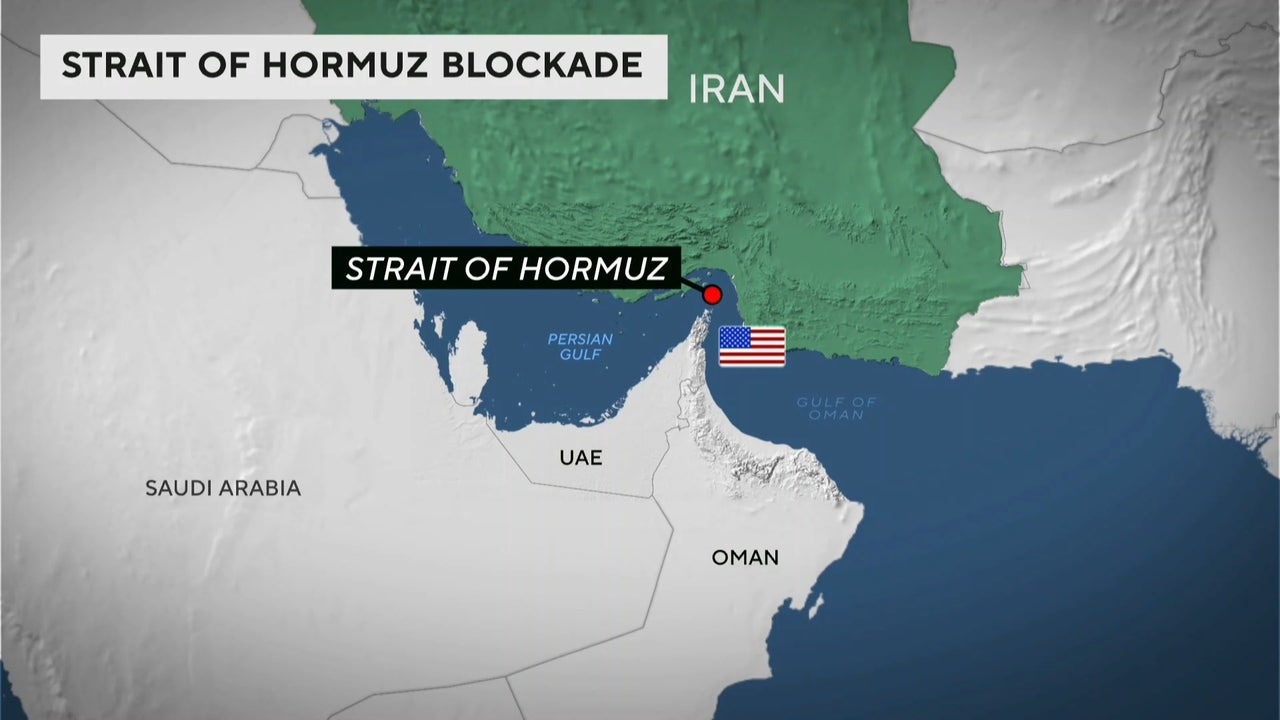
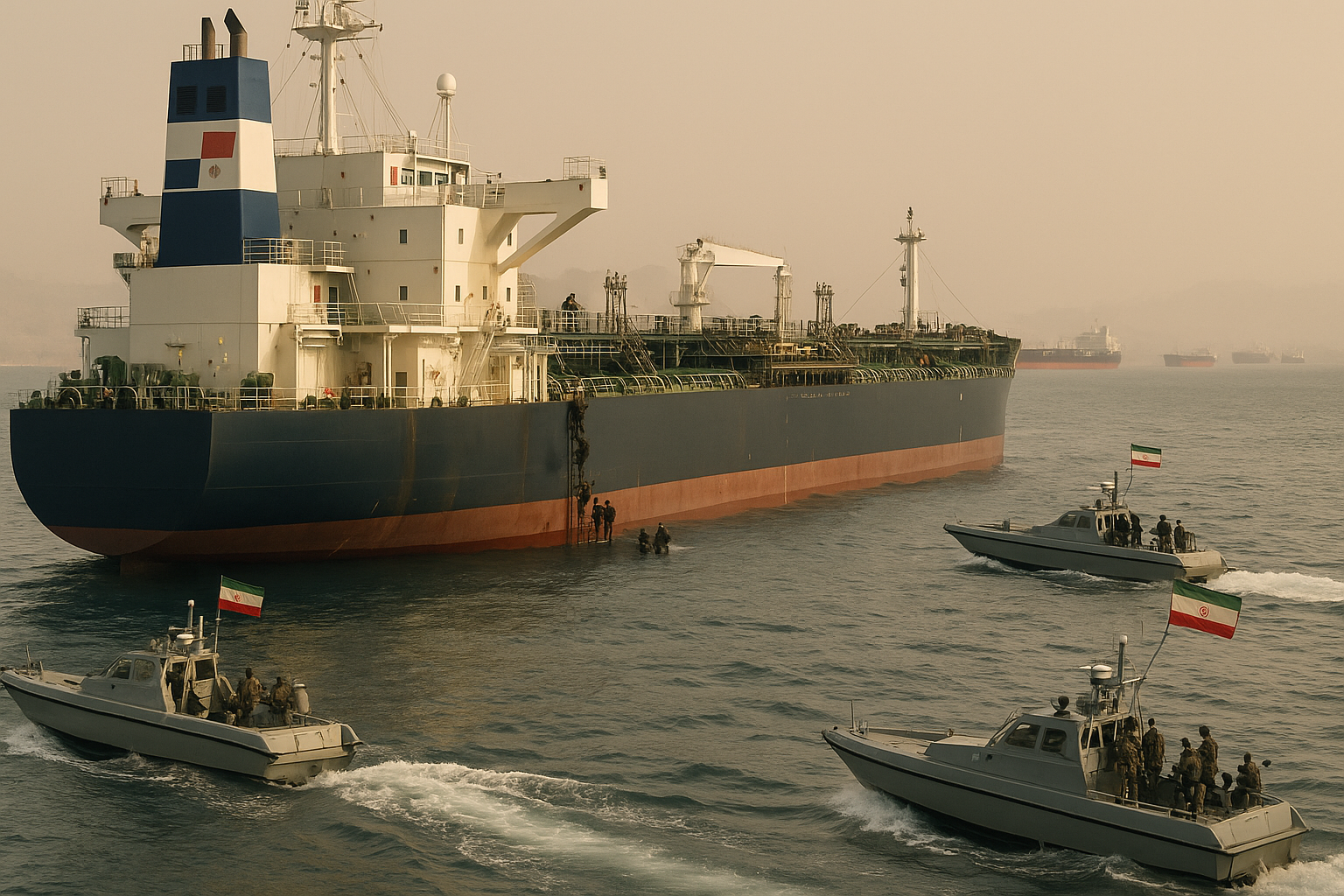
The Pentagon has indicated that the standoff in the Strait of Hormuz is "much more their fight than ours," referring to European allies — a statement that has been interpreted as pressure on European nations to take a more active role in the conflict.
US Munitions Concerns
The US has used a significant portion of its munitions in the war against Iran, raising concerns among some officials about the nation's ability to defend Taiwan from a potential Chinese attack. Over 1,000 long-range Tomahawk missiles and 1,500 to 2,000 critical air-defence missiles have been used, which could take over six years to replace.
What's Next
The transatlantic relationship faces its most serious test in decades, with European governments under pressure to demonstrate solidarity with the US while managing domestic political opposition to the Iran conflict. The outcome of ongoing ceasefire talks will be critical in determining whether the alliance holds together.