Iran War: Ceasefire Talks Intensify as Hormuz Blockade Threatens Global Energy Crisis
Diplomatic efforts to end the Iran war are intensifying, with Iranian Foreign Minister Abbas Araghchi embarking on a tour of Pakistan, Oman, and Russia for talks, as the blockade of the Strait of Hormuz continues to threaten what the International Energy Agency has called "the biggest energy security threat in history" — a crisis that has sent crude oil prices above $105 a barrel and placed European fuel supplies under severe strain.
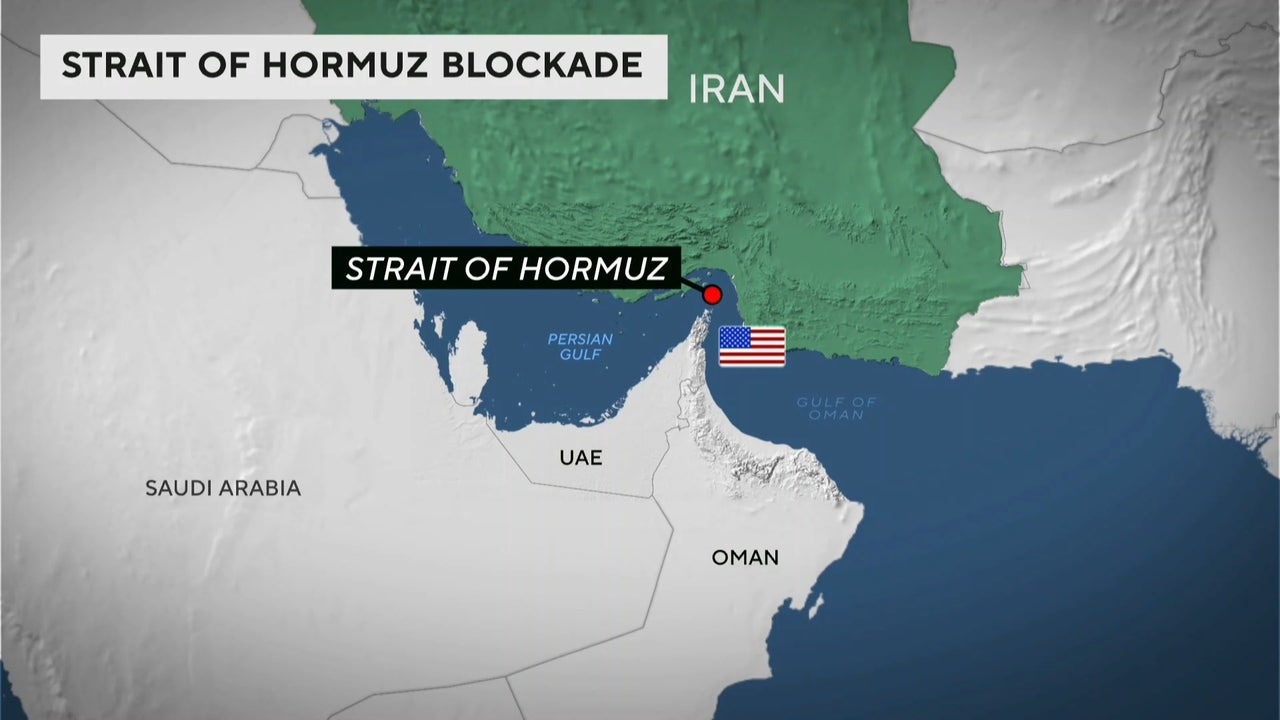
The armed conflict, which commenced on 28 February 2026 when a US-Israeli coalition launched "Operation Epic Fury" against Iran, has rapidly escalated into one of the most consequential geopolitical crises of the modern era. The effective closure of the Strait of Hormuz — the world's most critical oil transit chokepoint — has removed approximately 13 million barrels of oil per day from the global market, a disruption that dwarfs even the oil shocks of the 1970s.
Background
The 2026 Iran war is the culmination of decades of hostility rooted in Iran's nuclear programme and its regional military expansion through the "Axis of Resistance" — a network of allied militant groups including Hezbollah in Lebanon and the Houthis in Yemen. The conflict was preceded by the 2024 Iran-Israel confrontation and the "Twelve-Day War" in June 2025, which involved Israeli and US strikes on Iranian military and nuclear facilities. A successful "decapitation strike" killed Iran's Supreme Leader, Ali Khamenei, in the early stages of the current conflict, leaving Iran's leadership in disarray.
The Strait of Hormuz, a narrow waterway between Oman and Iran, is the only sea route from the Persian Gulf to the open ocean. Prior to the conflict, it handled approximately 20-21 million barrels of oil per day — around 21% of global petroleum liquids consumption and roughly a quarter of all seaborne oil trade. Qatar's LNG exports, which supply approximately one-fifth of global liquefied natural gas trade, also pass through the strait. Iran has mined the waterway and fired on commercial vessels, while the US Navy enforces a blockade on Iranian ports, creating a "double blockade" that has effectively shut down the world's most important energy corridor.
Key Developments
Iranian Foreign Minister Abbas Araghchi is undertaking a diplomatic tour including visits to Pakistan, Oman, and Russia, aiming to facilitate bilateral consultations and discuss regional developments. US special envoy Steve Witkoff and Jared Kushner were scheduled to travel to Pakistan for talks with Araghchi, though President Trump unilaterally cancelled the US delegation's trip, citing "tremendous infighting and confusion" within Iran's leadership and asserting that Iran's offers were "not enough." Russia has offered to store or reprocess Iran's enriched uranium — an offer reportedly rejected by the US. Negotiations remain deadlocked: Iran insists it will not enter substantive talks until the US lifts its naval blockade, while the US demands verifiable assurances regarding Iran's nuclear programme.
As the IEA has warned, the consequences of the blockade are cascading. Europe sources approximately 75% of its jet fuel from Middle Eastern refineries — a supply now reduced to zero. The IEA has warned that without securing significant new imports from the US or Nigeria, European nations may face shortages within weeks, potentially forcing drastic reductions in air travel. QatarEnergy has declared force majeure on its LNG contracts, and an Iranian attack on Qatar's Ras Laffan liquefaction complex has caused Asian LNG spot prices to spike by 140%. The 32 member countries of the IEA agreed in March to release a record 400 million barrels of oil from strategic emergency stockpiles — a measure IEA Director Fatih Birol described as a "reprieve rather than a resolution."
On the Lebanon front, a fragile US-mediated ceasefire between Israel and Hezbollah took effect on 16 April and was extended for three weeks. However, Hezbollah has declared the ceasefire "meaningless in light of continued Israeli hostile actions," and hostilities continue on both sides. A sixth UN peacekeeper — Corporal Rico Pramudia from Indonesia — has died from injuries sustained in southern Lebanon, bringing total UNIFIL casualties to six. As BBC News has reported, the UN has warned that deliberate attacks on peacekeepers may amount to war crimes.
Why It Matters
The scale of the economic threat posed by the Hormuz blockade is without historical precedent. Brent crude prices above $105 a barrel are feeding directly into inflation across the UK and Europe, raising the spectre of stagflation — the toxic combination of rising prices and stagnant economic growth that devastated Western economies in the 1970s. The crisis also threatens global food security: over 30% of the world's urea, a critical fertiliser component, is exported from the Gulf through the strait, and disruption to this supply will push food prices higher in the months ahead. European Council president Antonio Costa has emphasised the "vital" need for the immediate reopening of the Strait without restrictions, while US military officials are developing contingency plans to target Iran's capabilities in the waterway if the ceasefire fails.
Local Impact
For households across the UK and Northern Ireland, the Hormuz crisis is already making itself felt at the petrol pump and on energy bills. The surge in crude oil prices is feeding through to higher fuel costs, adding to the cost-of-living pressures that have dominated domestic politics for the past two years. The aviation sector faces particular uncertainty, with potential jet fuel shortages threatening to disrupt summer travel plans for millions of British holidaymakers. The UK government has been in contact with energy suppliers and is monitoring strategic reserves, but the scale of the disruption — if the blockade persists — could require emergency measures not seen since the 1970s oil crisis.
What's Next
US military officials are developing contingency plans to target Iran's capabilities in the Strait of Hormuz if diplomatic efforts fail. Pakistan's mediation role is seen as the most promising avenue for de-escalation, but the fundamental disagreements between Washington and Tehran over the nuclear programme and the blockade make a swift resolution unlikely. The Lebanon ceasefire is expected to be tested further in the coming weeks. For now, the world watches the Strait of Hormuz — a waterway 33 miles wide at its narrowest point — with a level of anxiety not seen since the Cold War.