Irish Deportations Surge 272% as Diaspora Minister Warns of Mental Health Crisis Among New Emigrants
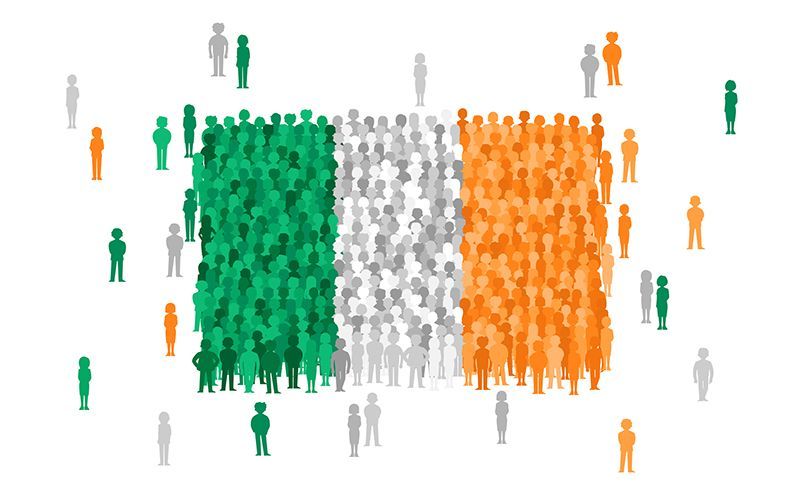
Government briefing documents have revealed a 272 per cent surge in the number of Irish citizens being deported from overseas countries, with the United States accounting for 60 per cent of cases — a development that has coincided with a warning from Minister of State for the Diaspora Neale Richmond that new Irish emigrants are becoming isolated "quite quickly," with consular officials reporting a marked increase in mental health and welfare cases among the diaspora that is straining the capacity of Irish embassies and community organisations abroad.
Background
Ireland has a long and complex relationship with emigration. The country has been exporting its people for centuries — driven at various times by famine, poverty, political upheaval and, more recently, economic cycles that have made it difficult for young Irish people to build the lives they want at home. The Irish diaspora is estimated at around 70 million people worldwide, and the connections between Ireland and its diaspora communities — in the United States, Britain, Australia, Canada and elsewhere — are among the most important relationships in Irish public life.
The current wave of emigration is driven primarily by the housing crisis and the high cost of living in Ireland, which have made it increasingly difficult for young, educated Irish people to afford to live in the country's major cities. Many of those who leave are not doing so because they want to — they are doing so because they feel they have no choice, and the sense of being pushed out of their own country is a source of significant resentment and political tension.
The Irish government has responded to the emigration challenge with a series of diaspora strategies, the most recent of which — the Diaspora Strategy 2026-2030 — was launched earlier this year. The strategy sets out 23 commitments designed to strengthen the government's relationship with the diaspora and to support Irish people living abroad. However, critics have argued that the strategy fails to address the root causes of emigration — the housing crisis and the cost of living — and is therefore treating the symptoms rather than the disease.
Key Developments
The 272 per cent increase in deportations of Irish citizens from overseas countries was revealed in government briefing documents published in January 2026. The United States accounted for 60 per cent of the deportation cases, reflecting the stricter enforcement of immigration laws that has characterised US policy in recent years. Many of those deported were Irish citizens who had been living in the United States without documentation — a situation that has historically been tolerated but that has become increasingly precarious as enforcement has intensified.
Minister Richmond's warning about the mental health of new emigrants came in the context of a broader discussion about the challenges facing Irish people who move abroad. He noted that while new emigrants are "hyperconnected" through social media and messaging apps, they can become isolated "quite quickly" — particularly those who are working remotely and who lack the natural social networks that come from working in an office environment. Consular officials have reported a "marked increase" in mental health, welfare and arrest cases among the diaspora, a trend that the minister described as a significant concern.
The Diaspora Strategy 2026-2030 includes commitments to connect new emigrants with community organisations through the Emigrant Support Programme and embassy networks, and to provide better information and support for Irish people living abroad. However, the strategy has been criticised by commentators including historian Diarmaid Ferriter, who has argued that it fails to address the "elephant in the room" — the structural failures at home that are driving emigration in the first place.
Why It Matters
The surge in deportations and the mental health concerns among the diaspora are two sides of the same coin: they both reflect the vulnerability of Irish emigrants who are living abroad without adequate legal status or social support. The deportation figures are a reminder that emigration is not always a straightforward or positive experience — for those who end up in legal difficulties abroad, the consequences can be severe and long-lasting.
The mental health concerns are equally serious. Emigration is a significant life transition, and the challenges of building a new life in a foreign country — finding accommodation, making friends, navigating an unfamiliar bureaucracy — can be overwhelming, particularly for young people who are doing it for the first time. The shift to remote working has removed one of the traditional social anchors for new emigrants — the workplace — and has made isolation more likely for those who are not proactive about building social connections.
The government's response — the Diaspora Strategy and the Emigrant Support Programme — is a genuine attempt to address these challenges, but critics are right to point out that it does not address the underlying causes of emigration. Until Ireland can provide affordable housing and a reasonable cost of living for its young people, the emigration pressure will continue, and the challenges facing the diaspora will grow.
Local Impact
The impact of emigration is felt most acutely in the communities that lose their young people. In rural Ireland — in counties like Roscommon, Leitrim, Mayo and Donegal — emigration has been a persistent feature of life for generations, and the communities that remain are often older, smaller and less economically dynamic than they would otherwise be. The loss of young, educated people to emigration is a drain on the social and economic capital of these communities that is difficult to replace.
In urban Ireland, the impact is different but no less real. The departure of young professionals — teachers, nurses, engineers, technologists — creates skills shortages in sectors that are already under pressure, and the loss of their spending power and social energy is felt in the communities they leave behind. The housing crisis, which is the primary driver of emigration, is itself partly a consequence of the failure to retain and attract the workers needed to build the homes that are required.
What's Next
The Diaspora Strategy 2026-2030 is due for its first annual review in early 2027, which will provide an opportunity to assess whether the strategy's commitments are being implemented and whether they are having the intended effect. The government is also expected to publish a review of the Emigrant Support Programme later in 2026, examining the effectiveness of the funding provided to community organisations supporting Irish people abroad. The deportation figures will be monitored closely by the Department of Foreign Affairs, which has indicated that it will seek to provide consular support to Irish citizens facing deportation proceedings in the United States and other countries.