Lebanon Ceasefire Extended Three Weeks as Trump Seeks Peace Deal with Iran
US President Donald Trump has announced a three-week extension of the fragile ceasefire between Israel and Lebanon, expressing optimism about the potential for broader peace talks even as violations continued on both sides and Iran maintained its grip on the Strait of Hormuz.
The announcement, made on 24 April 2026, came after a high-level meeting at the White House attended by the Israeli and Lebanese ambassadors, with Trump expressing his desire to host Israeli Prime Minister Benjamin Netanyahu and Lebanese President Joseph Aoun for direct peace talks in the near future. The extension of the truce — which had been brokered by the United States and first came into effect on 16 April — represents the most significant diplomatic development in the Lebanon conflict since hostilities began.
Background
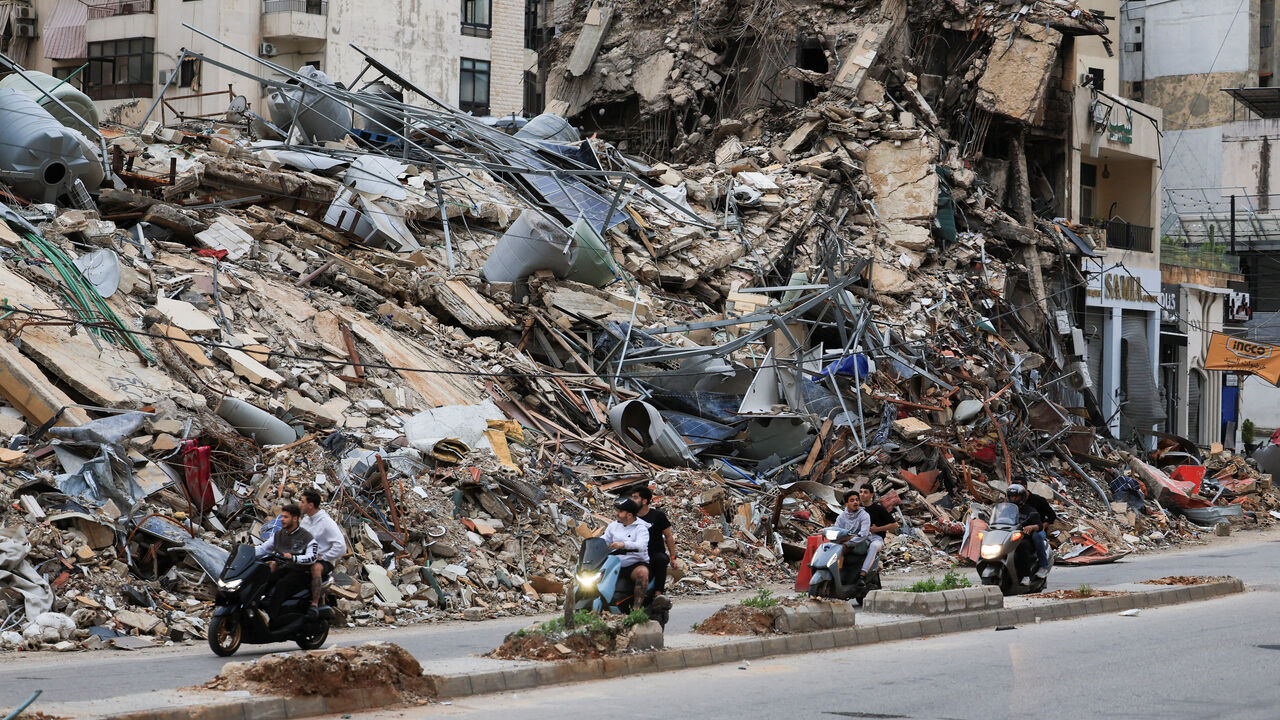
The 2026 Lebanon War has been one of the most devastating conflicts in the region's recent history, killing over 2,000 people in Lebanon and displacing more than a million civilians since the fighting escalated in late February. The initial ceasefire, which began on 16 April, was the first direct diplomatic engagement between Israel and Lebanon in decades and was widely welcomed as a potential turning point, even as sceptics warned that the underlying tensions remained unresolved.
The broader conflict involving Iran, Israel, and the United States has created a volatile geopolitical environment. Iran's Supreme Leader Ali Khamenei was killed in a joint US-Israeli airstrike in Tehran on 28 February 2026, with his son Mojtaba Khamenei subsequently appointed as the new Supreme Leader. Reports in The New York Times claimed that Mojtaba was "gravely wounded" during the strike but remained "mentally sharp" while delegating significant decision-making authority to generals within the Revolutionary Guards. The leadership transition has added an additional layer of uncertainty to an already complex diplomatic landscape.
Hezbollah, which was not a signatory to the ceasefire agreement, continued to launch attacks against Israel and rejected the Lebanese government's direct negotiations with Israel. The group's leader, Naim Qassem, stated that Hezbollah would continue its resistance as long as Israeli forces remained in Lebanon, threatening a "war of attrition" that could undermine any diplomatic progress.
Key Developments
Despite the diplomatic push, the ceasefire remained tenuous. The Israeli military confirmed conducting strikes in southern Lebanon, targeting what it described as a missile launcher, in response to rocket launches into Israel for which Hezbollah claimed responsibility. The Lebanese militant group stated its attacks were in retaliation for an earlier Israeli strike on the village of Yater that had wounded two people.
Saudi Arabia dispatched an envoy, Prince Yazid bin Farhan, to Beirut to discuss a standing Arab peace initiative and urge Lebanon to remain committed to its framework. The envoy emphasised the importance of maintaining the stability of the Lebanese government and linked the disarmament of Hezbollah to an Israeli withdrawal from southern Lebanon. However, the speaker of the Lebanese parliament warned that Israel's continued occupation of Lebanese territory would inevitably lead to resistance.
A major escalation earlier in the month — when Israel launched "Operation Eternal Darkness" on 8 April, a series of powerful airstrikes across Lebanon that resulted in hundreds of casualties — had severely tested the ceasefire framework before it was even formally agreed. The extension of the truce on 24 April was therefore seen as a significant diplomatic achievement, even if its durability remains uncertain.
Why It Matters
A durable ceasefire in Lebanon is essential for regional stability and for reducing the risk of a wider conflict that could draw in multiple state and non-state actors. The extension of the truce, however fragile, provides a window for diplomatic efforts to gain traction and for humanitarian aid to reach the hundreds of thousands of displaced Lebanese civilians. For the UK and Ireland, the conflict's impact on global energy prices and inflation makes its resolution a matter of direct economic concern — the disruption to the Strait of Hormuz has already pushed Brent crude above $103 per barrel and contributed to the worst UK consumer confidence reading since October 2023. A lasting peace in Lebanon would ease pressure on global energy markets and provide some relief to British households facing soaring energy bills.
Local Impact
The Lebanon conflict has resonated deeply in Northern Ireland and the Republic, both of which have significant Lebanese diaspora communities and a long tradition of engagement with Middle Eastern affairs. Irish peacekeepers serving with UNIFIL — the United Nations Interim Force in Lebanon — have been operating in increasingly dangerous conditions since the conflict escalated, and their safety has been a matter of acute concern for families across the island of Ireland. The Irish government has been among the most vocal European voices calling for a ceasefire and for the protection of civilian populations, and the extension of the truce will be welcomed in Dublin and Belfast alike. Northern Ireland's own experience of conflict resolution gives its political leaders a particular perspective on the challenges of building durable peace in deeply divided societies.
What's Next
Trump has indicated he hopes to host direct talks between Israeli and Lebanese leaders within three weeks. The outcome of ongoing US-Iran negotiations will be crucial in determining whether a broader regional settlement is achievable. The situation in Lebanon remains highly volatile, with Hezbollah's continued military activity posing the greatest threat to the ceasefire's survival. Further reporting on the ceasefire developments is available from Wikipedia's 2026 Israel-Lebanon ceasefire article and Al Jazeera's coverage of the Iran leadership transition.