Iran Seizes Ships in Strait of Hormuz, Triggering Global Energy Crisis
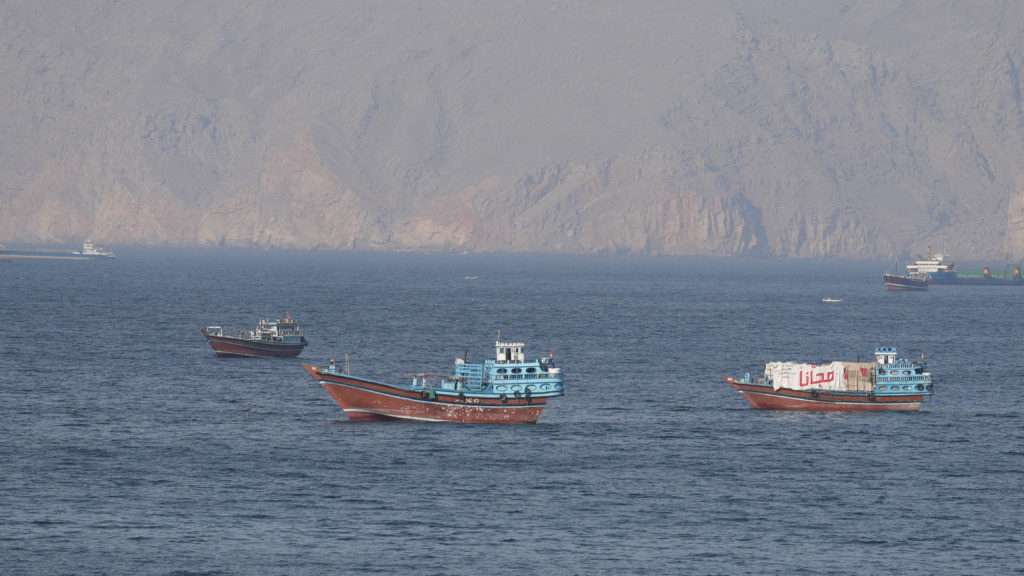
Iran's Revolutionary Guard Corps seized two foreign container ships in the Strait of Hormuz on 22 April 2026 and fired upon a third, in a dramatic escalation of the ongoing conflict that sent oil prices soaring above $105 per barrel and prompted the head of the International Energy Agency to declare the world's worst energy crisis in a generation.
The seizures — the first time Iran had attacked and captured ships since the war began — marked a dangerous new phase in the conflict, raising fears of a complete closure of the Strait, through which approximately 20% of global oil and liquefied natural gas supplies pass each day.
Background
The Strait of Hormuz is the world's most critical oil transit chokepoint, connecting the Persian Gulf with the Gulf of Oman and the open ocean. In peacetime, roughly a fifth of the world's total oil and LNG consumption passes through this narrow waterway, making any disruption an immediate threat to global energy security. The strategic significance of the strait has long been understood by military planners and energy economists alike — its closure, even temporarily, would send shockwaves through every economy on the planet.
The seizures occurred against a backdrop of escalating naval tensions. On 13 April, the US imposed a naval blockade on Iranian ports, with US Central Command reporting that it had directed 31 Iran-linked vessels to turn around or return to Iranian ports. Iran had previously blocked the Strait of Hormuz after the US and Israel initiated military action on 28 February, with the IRGC declaring full control over the strait on 4 March and implementing a "toll booth" system requiring clearance for all passing ships.
Iran's First Vice President Mohammad Reza Aref had made Tehran's position clear, stating that the security of the Strait of Hormuz was not "free" and linking its reopening directly to the lifting of the US naval blockade. The stage was set for a dangerous confrontation.
Key Developments
The Panama-flagged MSC Francesca was intercepted while en route to Hambantota, Sri Lanka, and the Greek-owned, Liberia-flagged Epaminondas was fired upon approximately 20 nautical miles northwest of Oman, with preliminary inspections indicating significant damage to the ship's bridge. A third vessel, the Liberia-flagged Euphoria, was also fired upon but sustained no damage and continued its journey to Fujairah in the UAE. According to Al Jazeera, the seized vessels were not directly linked to the US or Israel, underscoring the indiscriminate nature of the escalation.
The economic repercussions were immediate and severe. Brent crude oil futures surged past $105 a barrel as markets reacted to the tangible threat to a fifth of the world's oil supply. Germany was forced to halve its 2026 growth forecast in response, while the UN's maritime agency condemned the seizures as "unacceptable" and highlighted the plight of an estimated 20,000 seafarers stranded by the effective closure of the strait. The EU's chief of foreign affairs, Kaja Kallas, described the situation as "reckless," insisting that "freedom of navigation is non-negotiable."
Despite a US-extended ceasefire, Iran's parliamentary speaker emphasised that a full ceasefire was contingent on the blockade being lifted. Iran's lead negotiator declared it "impossible" to reopen the strait while the "flagrant" US naval blockade remained in effect, rendering ongoing peace talks mediated by Pakistan effectively untenable. According to The Guardian, the escalation has shattered the fragile diplomatic framework that had been painstakingly assembled over preceding weeks.
Why It Matters
The Strait of Hormuz is one of the world's most critical energy chokepoints, and any sustained disruption to shipping through the strait has immediate and severe consequences for global energy markets, supply chains, and economies worldwide. The crisis extends well beyond energy: higher fuel costs are increasing transportation and manufacturing expenses, leading to broad-based inflation and reducing consumer purchasing power across the developed world. Supply chains for everything from fertilisers to industrial inputs are being disrupted, with higher freight costs and delivery delays compounding the damage.
For the United Kingdom, the exposure is particularly acute. UK inflation had already risen to 3.3% in March 2026, driven in large part by fuel price increases linked to the Middle East conflict. Europe's reliance on the global spot market for liquefied natural gas made the continent acutely vulnerable, with Qatari and UAE exports threatened and European buyers forced to compete with Asian purchasers for scarce cargoes. The UK, with its significant reliance on gas-fired power stations, faces immediate concerns about electricity costs and supply security that will be felt in homes and businesses across Northern Ireland and the rest of the country.
Local Impact
For households and businesses across the United Kingdom, the consequences of the Strait of Hormuz crisis are already being felt at the petrol pump and on energy bills. Fuel prices have surged to three-year highs, with petrol reaching 140.2p per litre and diesel climbing to 158.7p — increases that disproportionately affect working families and rural communities dependent on private transport. Northern Ireland, with its higher-than-average reliance on home heating oil, faces particular exposure to the 95.3% surge in domestic heating oil prices recorded in March 2026. Small businesses across Belfast and beyond are grappling with rising logistics costs that threaten already-thin margins in a challenging economic environment.
What's Next
Washington was preparing to host a second round of peace talks as the situation deteriorated, while the UK organised a two-day conference with military planners from over 30 nations to advance plans to reopen the Strait when conditions permit. Satellite imagery has revealed extensive environmental damage in the Persian Gulf from strikes on oil facilities, adding a further dimension to the crisis. The international community, including Turkey's President Erdoğan, has warned that the conflict is "starting to weaken Europe." With financial markets now predicting at least one Bank of England interest rate hike this year, the economic fallout from the Strait of Hormuz crisis shows no sign of abating.