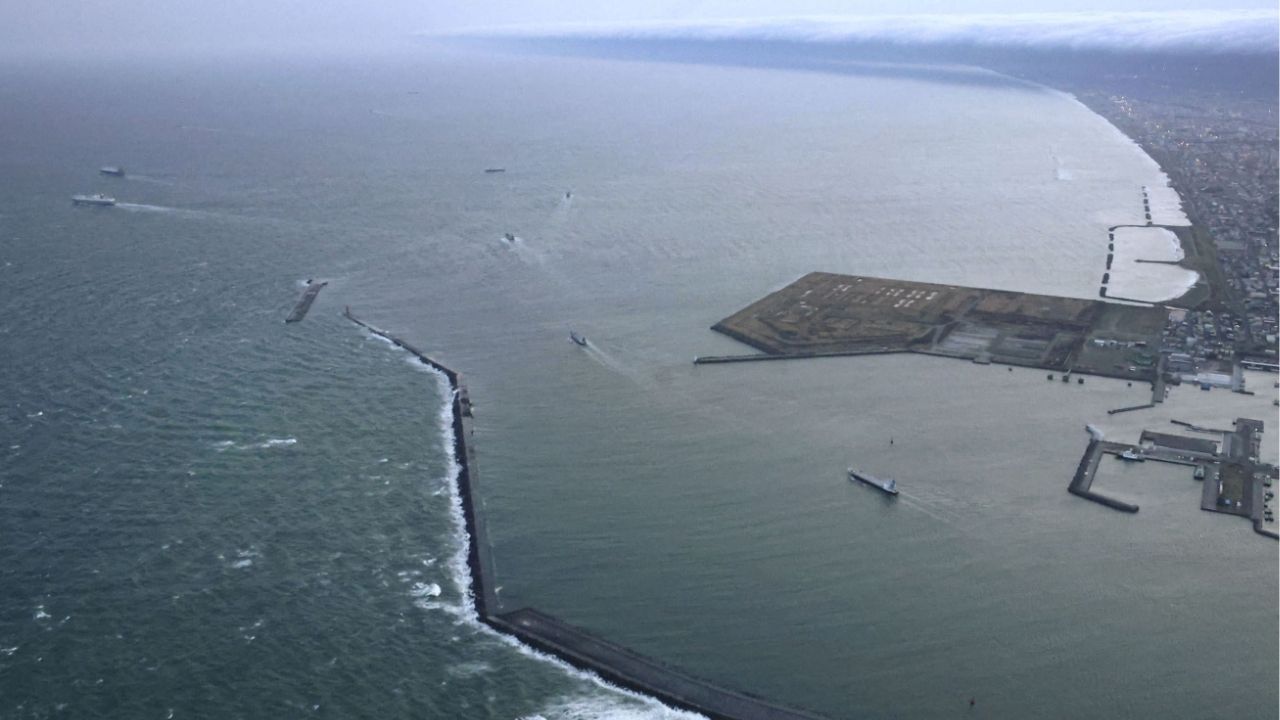
Iran Fires on Three Ships in Strait of Hormuz, Derailing US-Iran Talks
Iran fired on three vessels in the Strait of Hormuz on Wednesday, seizing two cargo ships in a dramatic escalation that has derailed diplomatic efforts to resume US-Iran talks and sent fresh shockwaves through global energy markets.
The incidents in the strategically vital waterway, through which approximately 20% of the world's oil supply passes, represent a significant escalation in the ongoing conflict. The attacks came hours after a ceasefire extension had been announced, raising fears that the fragile diplomatic process is on the verge of collapse.
What Happened
Iranian forces opened fire on three vessels in the Strait of Hormuz, with two cargo ships seized and their crews reported safe. The incidents have been widely condemned by Western governments and have prompted emergency discussions at the United Nations Security Council. The US Navy has increased its presence in the region in response to the escalating threat to international shipping.
The attacks have complicated efforts by US and Iranian diplomats to resume talks aimed at de-escalating the broader conflict. Senior US officials described the incidents as a "serious provocation" that undermines the diplomatic process, while Iran's government has not yet issued an official statement on the specific incidents.
Economic Impact
The Strait of Hormuz attacks have sent oil prices sharply higher, adding to the inflationary pressures already being felt across the UK and Europe. The European Union is now formally discussing the potential redistribution of jet fuel supplies among its member states as a contingency measure to manage potential shortages and price volatility in the aviation sector.
The UK, which is particularly vulnerable to global energy price shocks due to its high reliance on imported energy, has seen inflation jump to 3.3% in March — a direct consequence of the conflict's impact on fuel prices. The IMF has cited the war as the primary reason for its decision to issue its largest growth downgrade to the UK among G7 nations. For more, see The New York Times' report.
What's Next?
The international community is watching closely to see whether the ceasefire can be salvaged or whether the Strait of Hormuz incidents mark a new and more dangerous phase of the conflict. The UN Security Council is expected to hold emergency consultations, while the US and its allies are considering their response options. Energy markets are likely to remain volatile in the coming days as the situation develops.