Ukraine to Receive €100 Billion EU Lifeline After Hungary Drops Veto
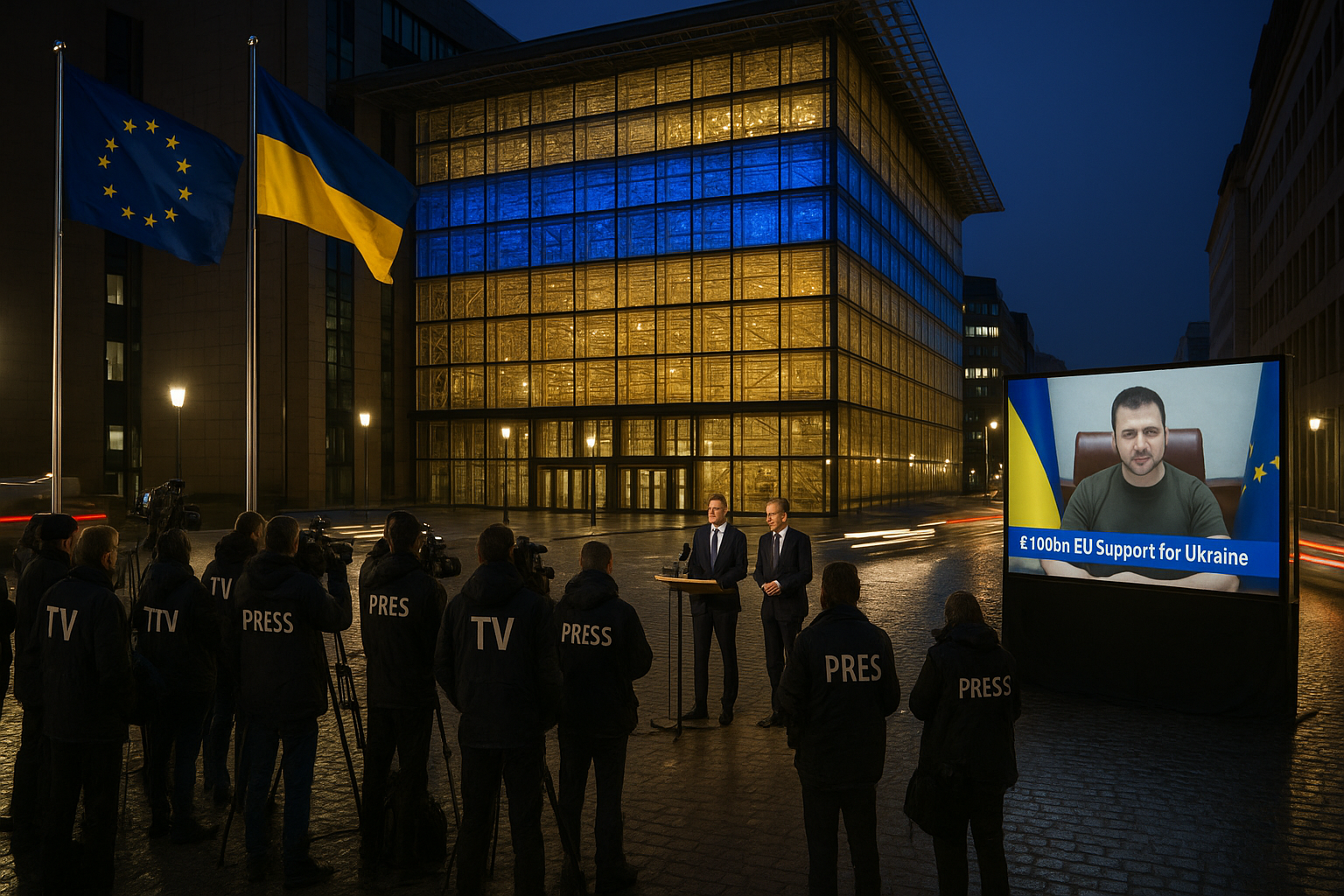
Ukraine is set to receive a financial lifeline of over €100 billion from the European Union after Hungary dropped its long-standing veto on the aid package, in a dramatic reversal that follows the defeat of Viktor Orbán's government in Hungary's recent general election — a breakthrough that has been welcomed across Europe as a decisive moment in the continent's support for Kyiv.
The breakthrough, confirmed on 23 April 2026, represents a major boost for Ukraine's war effort and its long-term economic recovery, and is seen as a significant diplomatic victory for the EU and its allies. The EU formally approved the loan package — which includes a €90 billion loan component alongside additional grants and guarantees — alongside a 20th package of sanctions against Russia.
Background
Hungary under Viktor Orbán had been the most persistent obstacle to EU unity on Ukraine, repeatedly blocking or delaying aid packages and maintaining close ties with Russia. Orbán's government had used its veto power within the EU's unanimity-based decision-making framework to extract concessions and delay support for Kyiv on multiple occasions, drawing fierce criticism from other EU member states and from Ukraine itself.
The political landscape changed dramatically in April 2026, when Orbán conceded defeat to opposition leader Péter Magyar in Hungary's general election — a result celebrated across Europe as a blow to both Putin and Trump, who had cultivated close relationships with the Hungarian strongman. The new Hungarian government moved quickly to align itself with the EU mainstream on Ukraine policy, dropping the veto that had blocked the aid package for months and signalling a fundamental shift in Budapest's foreign policy orientation.
The €100 billion package is one of the largest financial commitments the EU has made to any country outside its borders. The funds are intended to support Ukraine's defence capabilities, rebuild war-damaged infrastructure, and stabilise the country's economy, which has been severely disrupted by more than two years of full-scale Russian invasion.
Key Developments
The formal approval of the aid package on 23 April came alongside the EU's 20th package of sanctions against Russia, further tightening the economic pressure on Moscow. EU leaders condemned Orbán's previous stance in the strongest terms, with European Commission President Ursula von der Leyen describing the approval as "a historic moment for European solidarity."
The Dutch military intelligence service (MIVD) issued a stark warning on 22 April that Russia could be prepared for a regional conflict with NATO within a year of the cessation of hostilities in Ukraine, underscoring the urgency of continued support for Kyiv. The warning reinforced the argument made by Ukraine's supporters that allowing Russia to prevail would pose an existential threat to European security.
Separately, reports emerged of Russian drones and missiles flying near the defunct Chornobyl nuclear plant, raising concerns about nuclear safety in the ongoing conflict. President Zelensky expressed gratitude for the EU's continued support, describing the aid package as "a lifeline for Ukraine and a statement of European values."
Why It Matters
The EU aid package is crucial for Ukraine's ability to sustain its defence against Russian aggression and to begin the long process of post-war reconstruction. For the UK, which has been one of Ukraine's strongest supporters and has committed billions in military and financial aid since the invasion began, the EU's renewed commitment strengthens the broader Western alliance backing Kyiv. The removal of Hungary's veto also restores a degree of EU unity that had been badly damaged by Orbán's obstructionism, making the bloc a more effective actor in the geopolitical competition with Russia. The Dutch intelligence warning about Russia's NATO ambitions adds further urgency to the need for sustained Western support for Ukraine.
Local Impact
The UK's commitment to Ukraine has been one of the defining features of British foreign policy since 2022, and the EU's renewed support strengthens the multilateral framework within which that commitment operates. For Northern Ireland, the conflict in Ukraine has had tangible consequences — from the Ukrainian refugees who have settled in communities across the region to the economic pressures caused by the war's impact on global food and energy prices. The Belfast business community has also been affected by the disruption to supply chains and the broader uncertainty created by the conflict. The EU aid package, by helping to stabilise Ukraine's economy and sustain its defence, contributes to the conditions necessary for a negotiated settlement that would benefit the entire European continent.
What's Next
The EU is expected to begin disbursing the aid package in the coming weeks. Ukraine's government has welcomed the breakthrough, and diplomatic efforts to build on the momentum are ongoing. The Dutch intelligence warning about Russia's NATO ambitions will feature prominently in upcoming discussions at NATO headquarters in Brussels. Full details of the EU's formal approval are available from Reuters, while coverage of Orbán's election defeat can be found at The Guardian.