Ministers Seek Return of Energy Credits and Third-Level Fee Cuts in Budget 2027 Negotiations
Senior government ministers are pressing for the return of household energy credits and further reductions in third-level fees as part of Budget 2027 negotiations, with coalition partners engaged in intensive discussions about their respective priorities ahead of the October 6 announcement — a process complicated by Central Bank warnings that broad cost-of-living supports risk fuelling further inflation in an economy already grappling with a 3.7% inflation rate.
Background
Budget 2027 will be announced on October 6, 2026, and will set the parameters for government spending and taxation for the coming year. The budget is being prepared against a backdrop of significant fiscal strength — corporate tax receipts are expected to exceed the €35.3 billion projection by a wide margin, with cumulative receipts through August already 8% ahead of the previous year — but also considerable political pressure from a public that has seen the cost of living rise sharply over the past several years.
Energy credits were introduced in previous budgets as a direct payment to households to offset rising electricity and gas bills. The credits were widely popular but were phased out as energy prices moderated, and their return has been a consistent demand from opposition parties and some government backbenchers. Third-level fees, which were reduced in Budget 2026, remain a significant financial burden for families with children in higher education, and further reductions have been a priority for several coalition partners.
The Central Bank's position complicates the political calculus. Governor Gabriel Makhlouf has argued that broad cost-of-living supports — payments that go to all households regardless of income — risk adding to inflationary pressures by increasing aggregate demand in an economy that is already running hot. The bank has suggested that any supports should be targeted at the most vulnerable households rather than distributed universally.
Key Developments
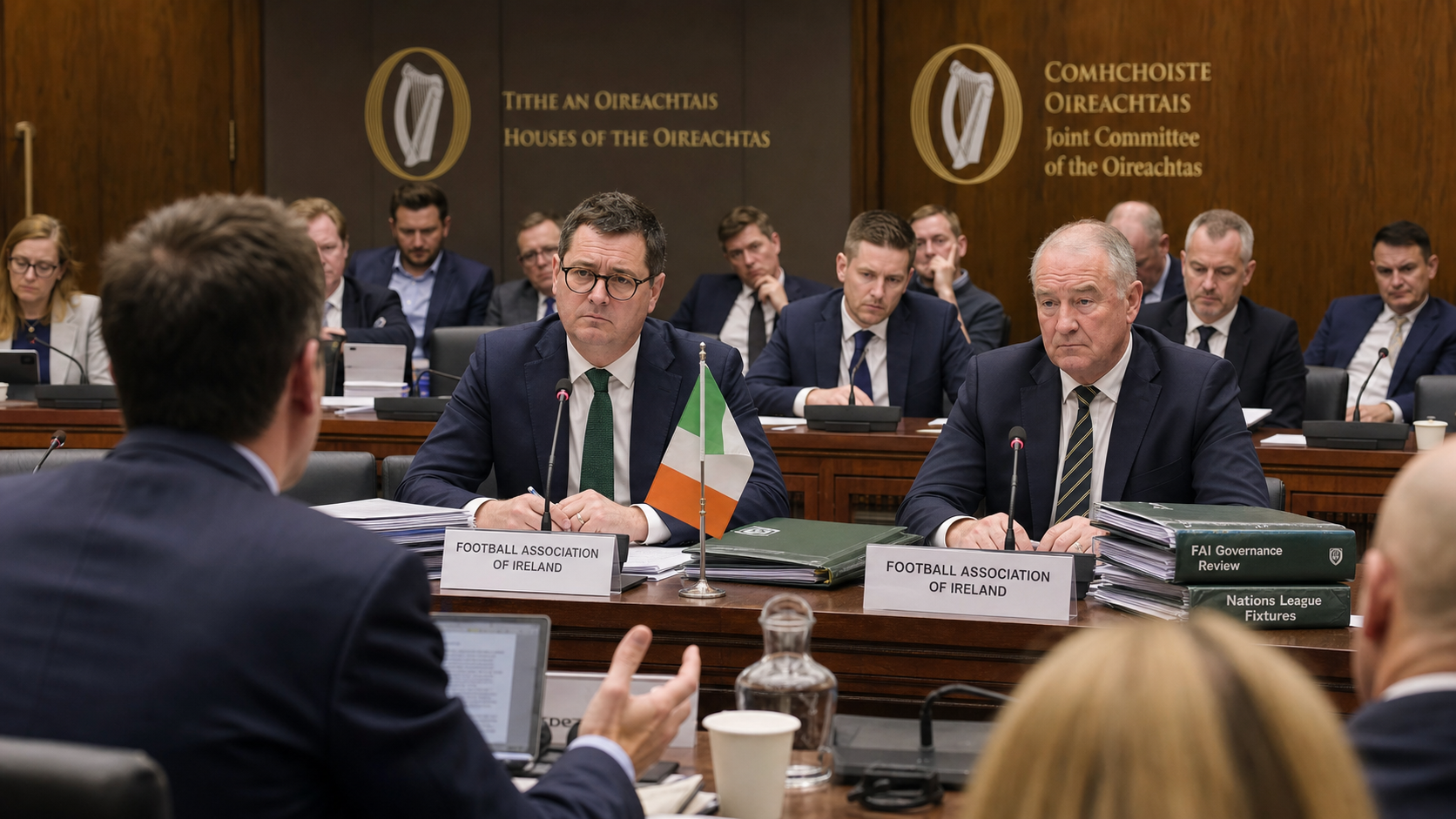
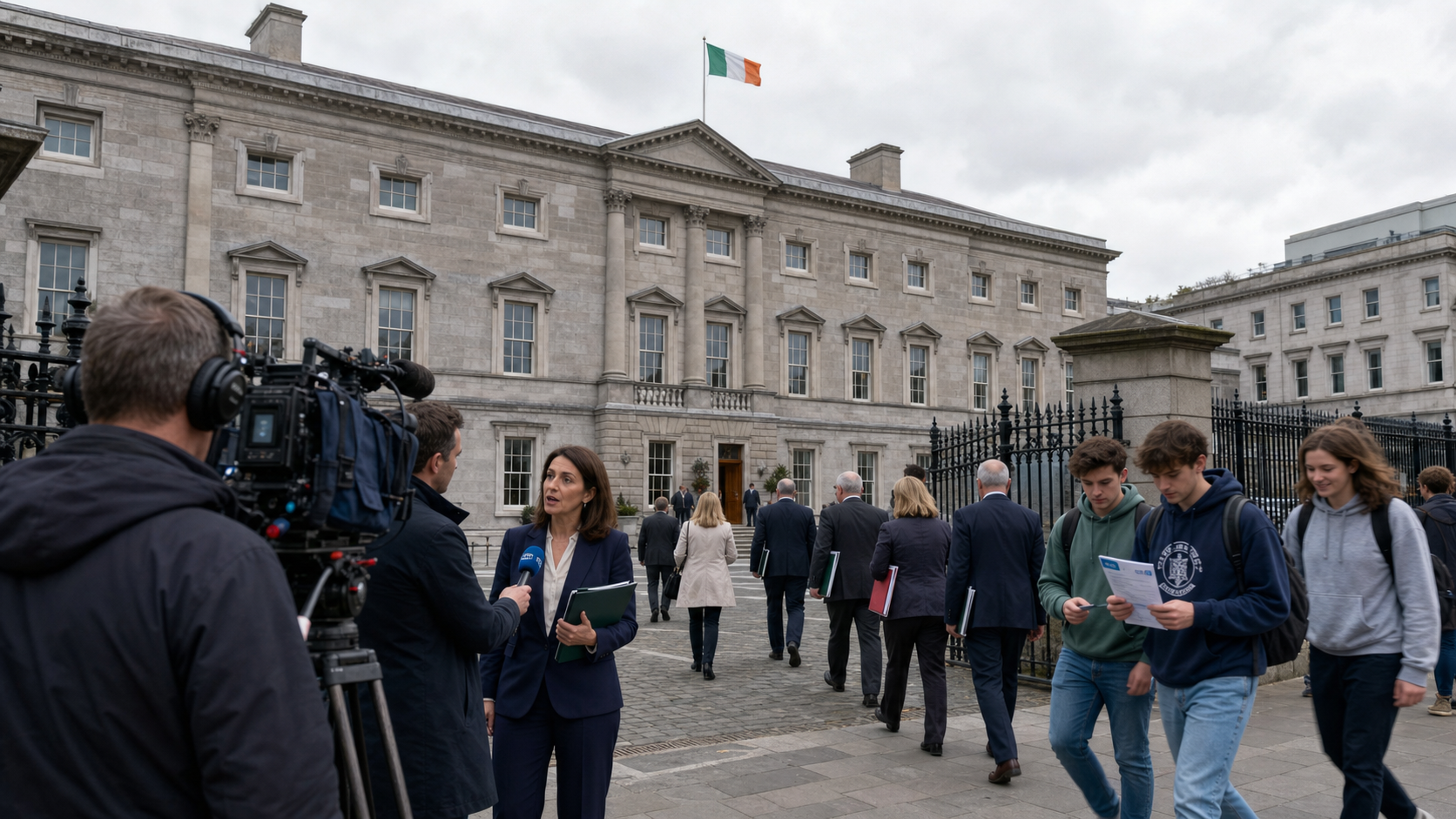
The Irish Times reported on Friday that ministers from across the coalition are engaged in intensive negotiations about their budget priorities. The return of energy credits has support from several senior figures, who argue that the political cost of not providing relief to households struggling with energy bills outweighs the macroeconomic risks identified by the Central Bank. Third-level fee reductions have similarly strong support, particularly from ministers whose constituencies include large numbers of families with college-going children.
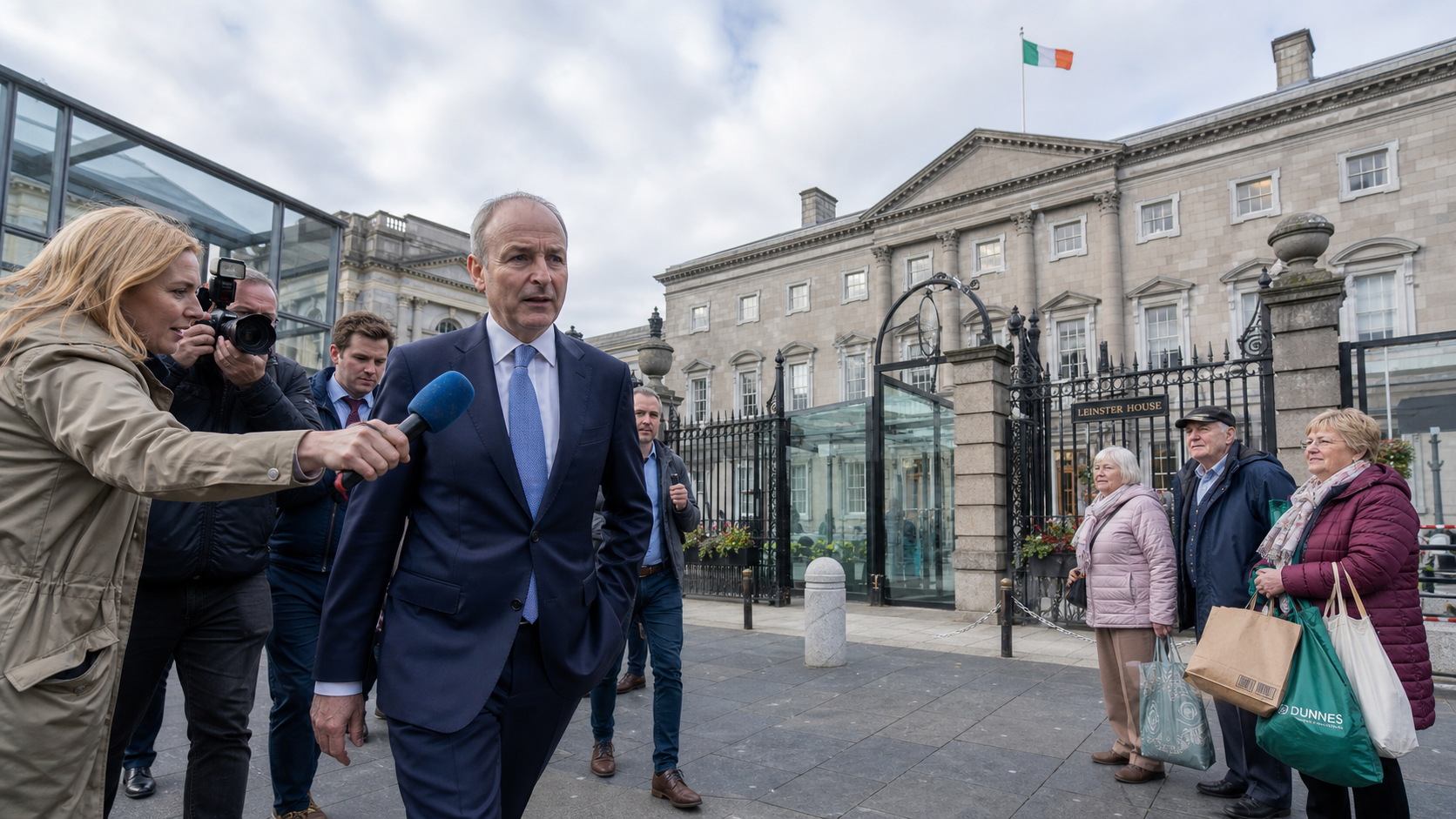
The Taoiseach has been careful not to commit publicly to specific measures, but has indicated that the government is "fully aware of the pressures on people" and that the budget will reflect that awareness. Minister for Finance Paschal Donohoe has emphasised the need for fiscal responsibility while acknowledging that the government has the resources to provide meaningful support.
Why It Matters
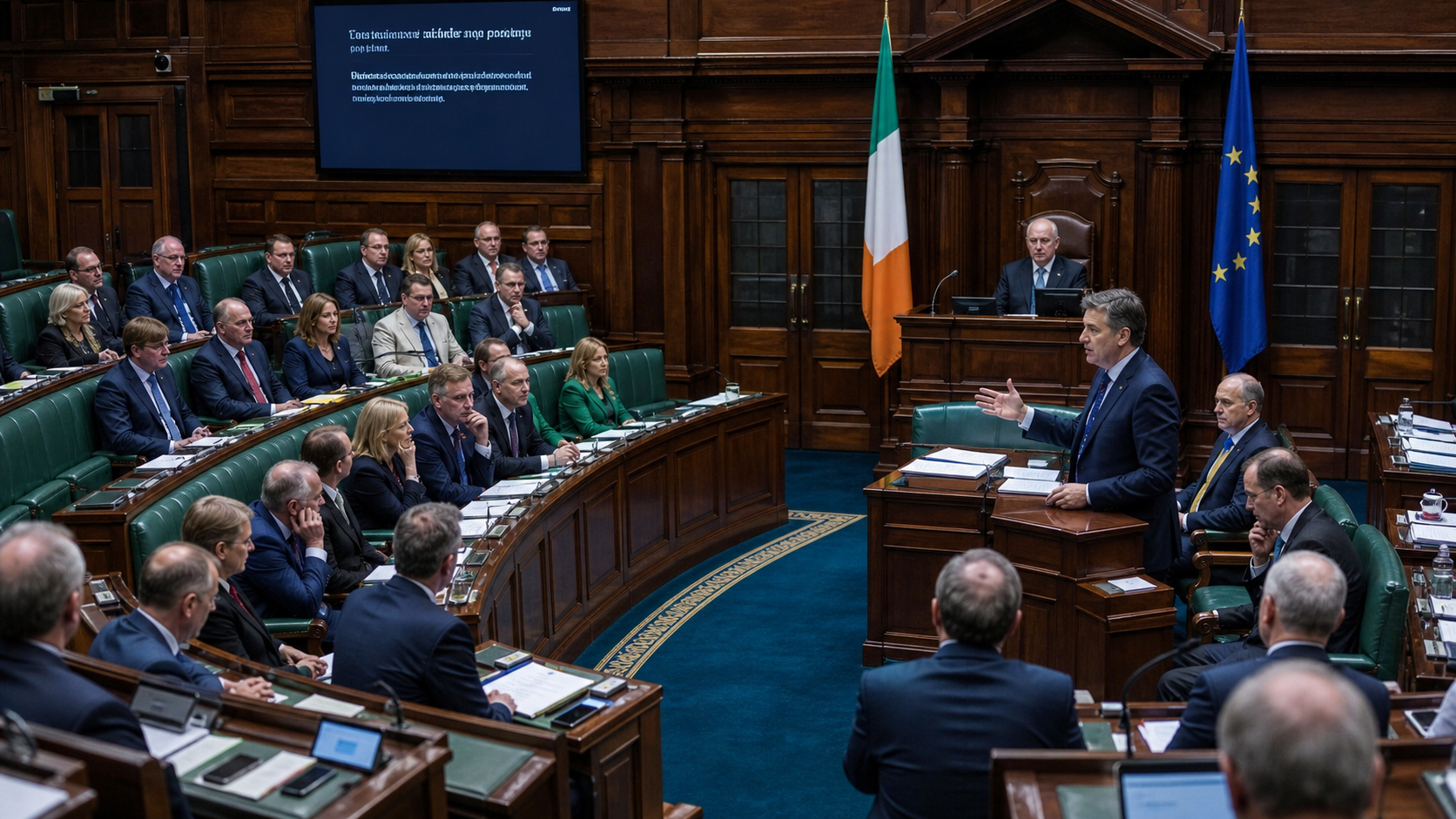
Budget 2027 will be the first budget of the current government's term to be prepared with the full benefit of the corporate tax windfall, and the decisions made on October 6 will set the tone for the government's economic management for the remainder of its mandate. The tension between the Central Bank's caution and the political imperative to provide cost-of-living relief reflects a genuine dilemma: the government has the money to help people, but using it in the wrong way could make the underlying economic problems worse. The outcome of the negotiations will also have implications for the public sector pay dispute, as the budget will set the overall parameters within which any new pay agreement must be reached.
Local Impact
Energy credits, if reintroduced, would benefit households across Ireland, with the greatest impact felt in rural areas where energy costs are typically higher and where there are fewer alternatives to gas and oil heating. Third-level fee reductions would benefit families across the country, with the greatest impact in areas with high rates of participation in higher education, including Dublin, Cork, and Galway. The budget will also include measures on housing, health, and transport that will affect communities across Ireland.
What's Next
Budget 2027 will be announced on October 6, 2026. The weeks between now and then will be dominated by pre-budget negotiations within the coalition and by lobbying from interest groups across the economy. The Taoiseach has indicated he will make a final decision on the energy credits question in the week before the budget announcement.