Mike Nesbitt Resigns as Stormont Health Minister After Clash with UUP Leader Jon Burrows Over Causeway Hospital Surgery
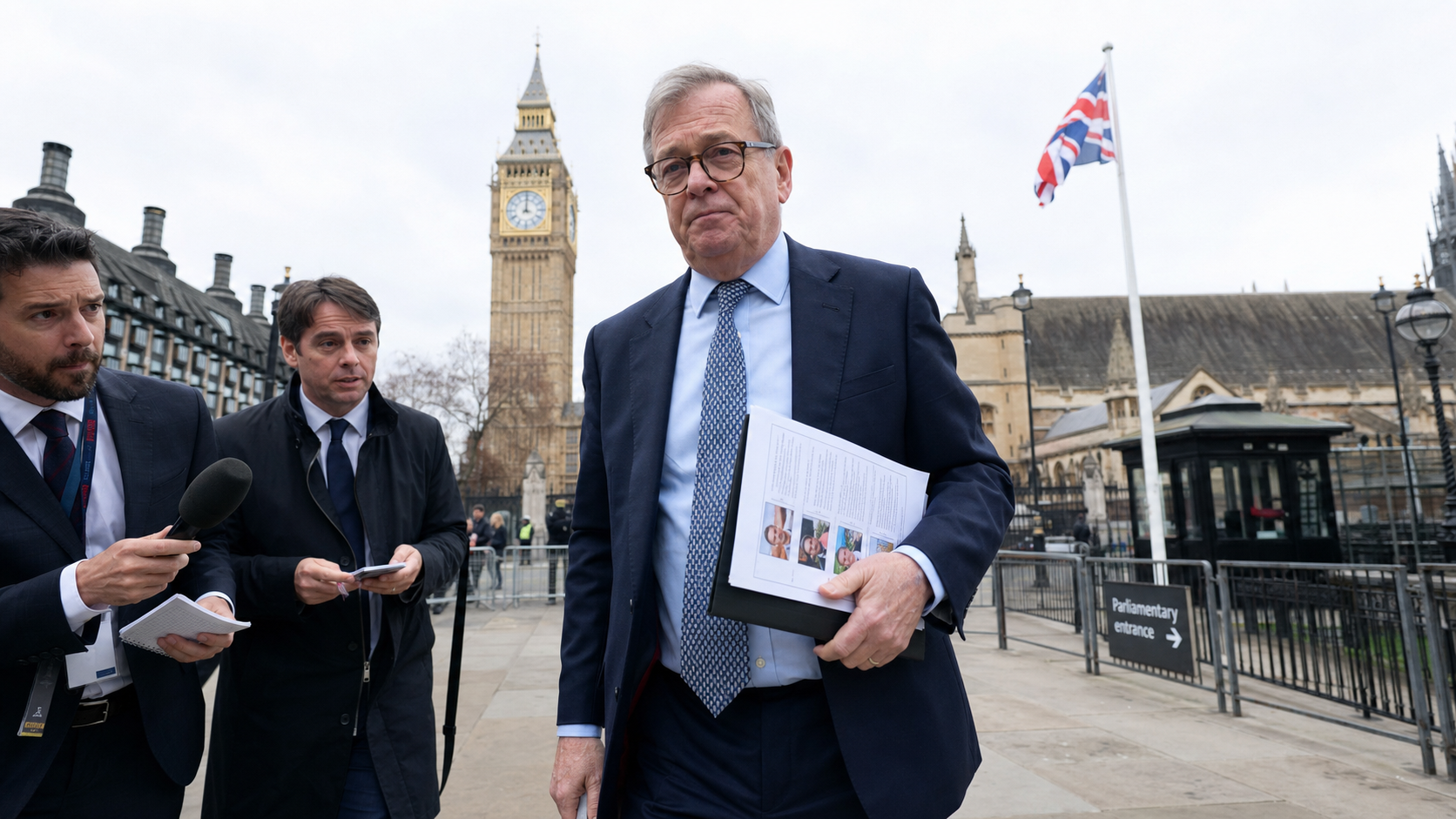
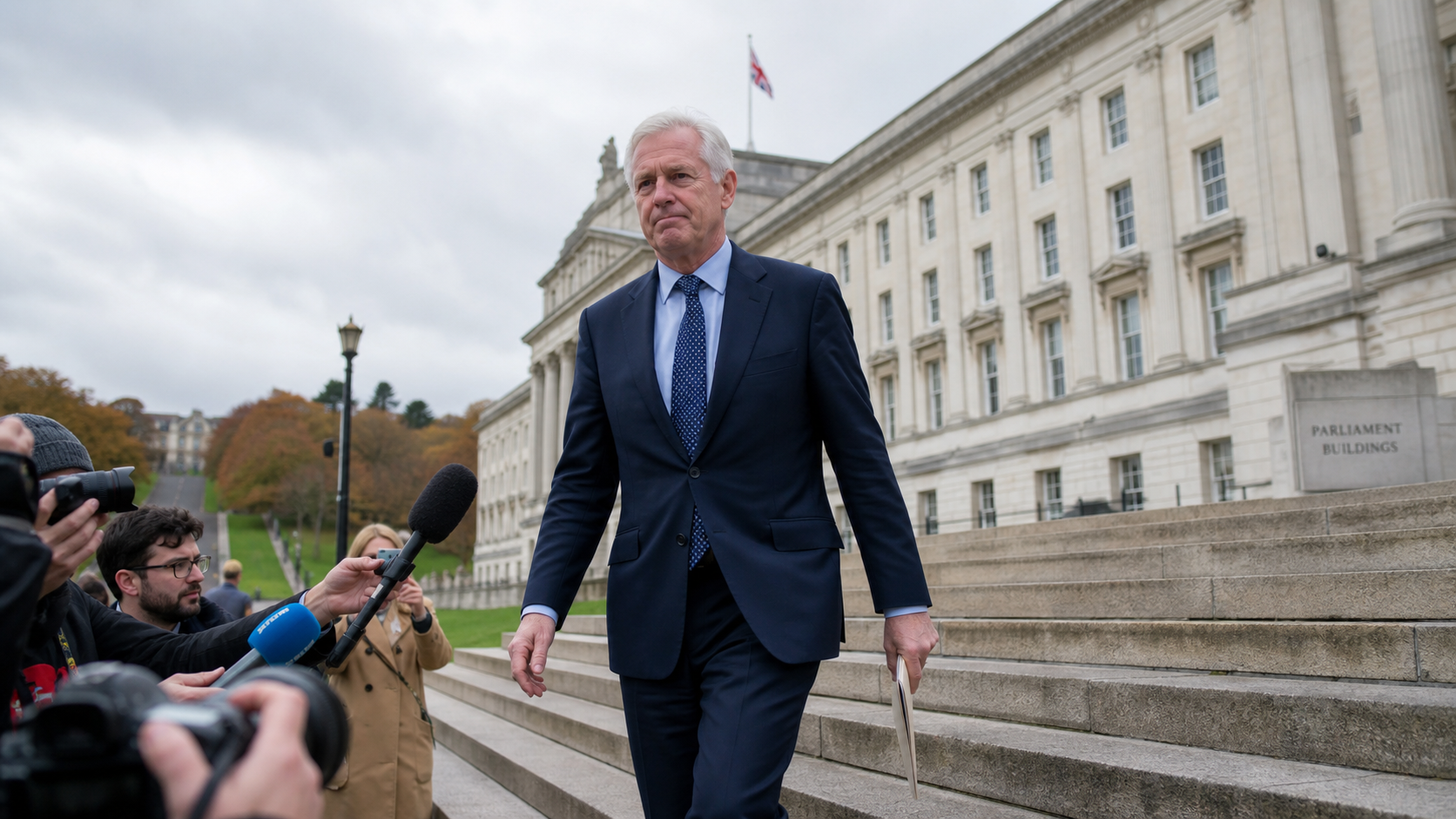
Mike Nesbitt resigned as Northern Ireland's Minister of Health on Tuesday evening following an irreconcilable public disagreement with Ulster Unionist Party leader Jon Burrows over the proposed withdrawal of emergency general surgery services from Causeway Hospital in Coleraine, in a departure that has plunged the Department of Health into uncertainty and raised fresh questions about the stability of the Stormont Executive.
Background
Mike Nesbitt, a former UUP leader who had held the health portfolio since May 2024, had been navigating one of the most politically treacherous briefs in the Executive — a health system characterised by chronic underfunding, record waiting lists, and a workforce under sustained pressure. His tenure had been marked by a genuine attempt to drive reform, including a shift toward a neighbourhood model of care and efforts to address the waiting list crisis that has left hundreds of thousands of patients in Northern Ireland waiting longer than anywhere else in the United Kingdom.
The immediate trigger for his resignation was the Northern Health and Social Care Trust's proposal to centralise emergency general surgery at a single site — understood to be Antrim Area Hospital — rather than maintaining the service at Causeway Hospital in Coleraine. The proposal, which followed clinical recommendations about patient safety and surgical volume thresholds, had been working its way through the Department of Health's decision-making process for some time.
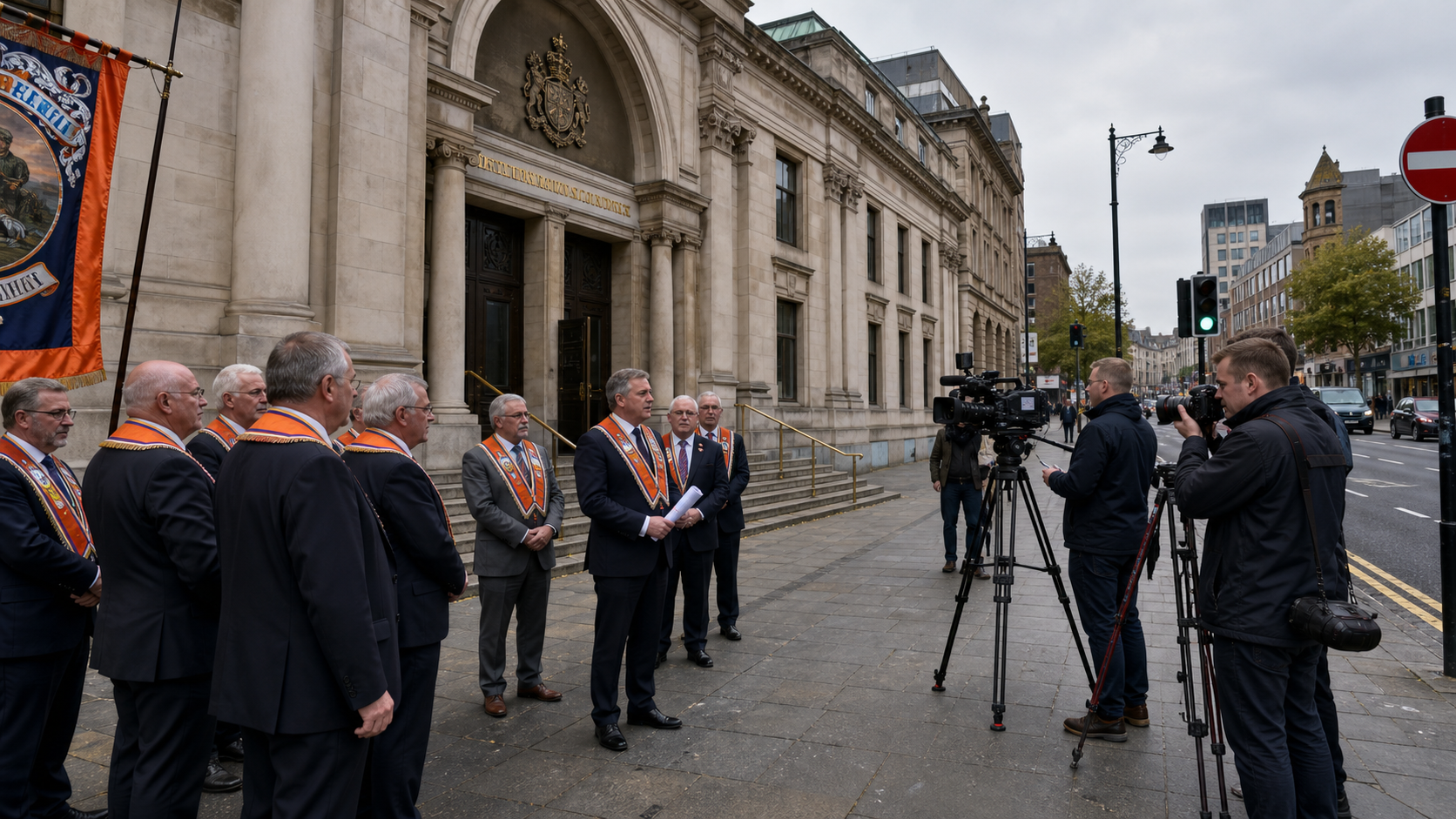
Jon Burrows, who succeeded Nesbitt as UUP leader, publicly opposed the removal of the service during a town hall meeting in Coleraine — a constituency with strong UUP ties — without, according to Nesbitt, any prior consultation with the minister responsible for the decision. Nesbitt learned of his party leader's position through media reports rather than direct communication.
Key Developments
In a resignation letter shared on social media on Tuesday evening, Nesbitt was direct about the cause of his departure. He accused Burrows of introducing a new "red line" on Causeway Hospital without prior discussion, and noted that this was the second such instance — the first being Burrows' opposition to puberty blockers and Northern Ireland's participation in the NHS Pathways trial, a position that also contradicted departmental policy.
"I cannot continue in a role where I learn my party leader's position on matters within my ministerial purview through the media," Nesbitt wrote. He confirmed that he had attempted to resolve the matter directly with Burrows but had not received a timely response, leaving him with no viable alternative to resignation.
The UUP confirmed the resignation and thanked Nesbitt for his service, citing his work on waiting lists and the neighbourhood care model. Philip McGuigan, Chair of the Stormont Health Committee, warned that service changes must be based on clinical evidence rather than internal party politics, and called for swift appointment of a successor to prevent further uncertainty for patients and staff. Secretary of State Sir Chris Bryant also expressed hope for a rapid appointment.
Why It Matters
Nesbitt's resignation is the most significant ministerial departure from the Stormont Executive since its restoration in February 2024, and it exposes a fundamental tension within the power-sharing model: the difficulty of implementing evidence-based policy when ministerial decisions are subject to veto by party leaders who answer to different electoral pressures.
The Causeway Hospital question is not unique to Northern Ireland — health systems across the UK and Ireland have grappled with the clinical case for centralising specialist services against the political and community resistance that such centralisation invariably generates. But in Northern Ireland, where the health system is already under exceptional strain and where political instability has repeatedly disrupted reform efforts, the departure of an experienced minister mid-term is a serious setback.
The UUP now faces the challenge of nominating a successor who can command credibility within the Department of Health while navigating the party's internal tensions. The episode also raises questions about Burrows' leadership style and his relationship with the Executive's collective responsibility norms.
Local Impact
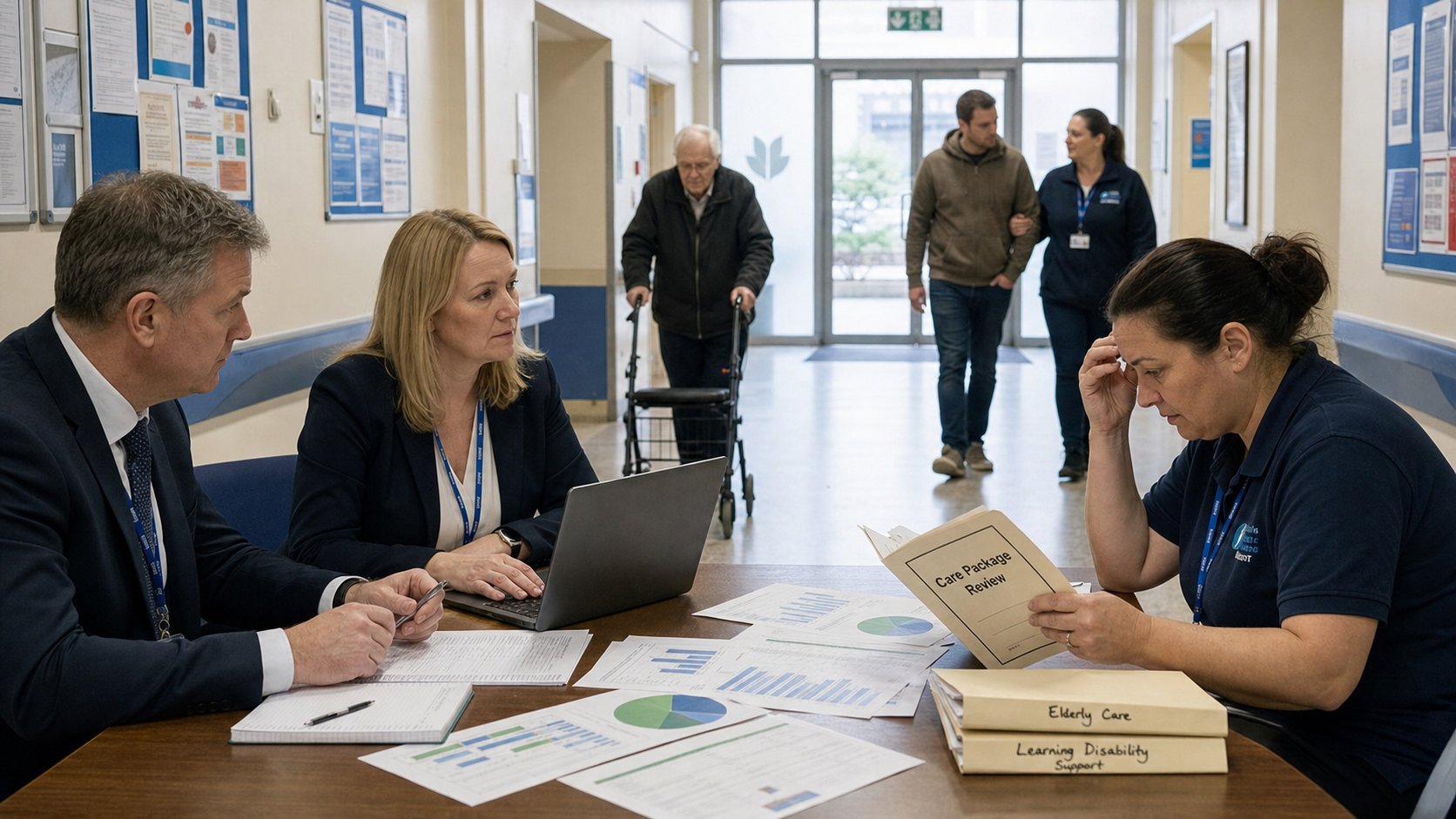
For patients in the Causeway Coast and Glens area — served by Causeway Hospital in Coleraine — the resignation creates immediate uncertainty about the future of their local surgical services. The Northern Health and Social Care Trust's proposal remains live, and without a minister in post, the decision-making process is effectively paused. Patients awaiting elective procedures at Causeway, and those who depend on the hospital's emergency services, face a period of limbo that clinical staff and patient advocates have described as deeply unsatisfactory.
Across Northern Ireland's five health trusts — Belfast, South Eastern, Southern, Western, and Northern — the resignation will be felt as a further disruption to a reform agenda that was already moving slowly. The Department of Health's senior civil servants will manage day-to-day operations, but strategic decisions require ministerial authority.
What's Next
The UUP must nominate a replacement minister under the d'Hondt mechanism, a process that could take days or weeks depending on internal party deliberations. The Executive Office is expected to convene to discuss the implications of the vacancy. The Causeway Hospital decision will remain in abeyance until a new minister is in post and has had time to review the clinical evidence. Nesbitt, meanwhile, returns to the Assembly backbenches, where his experience and knowledge of the health brief will make him a formidable critic of whatever direction his successor chooses.